
Last updated November 22, 2026
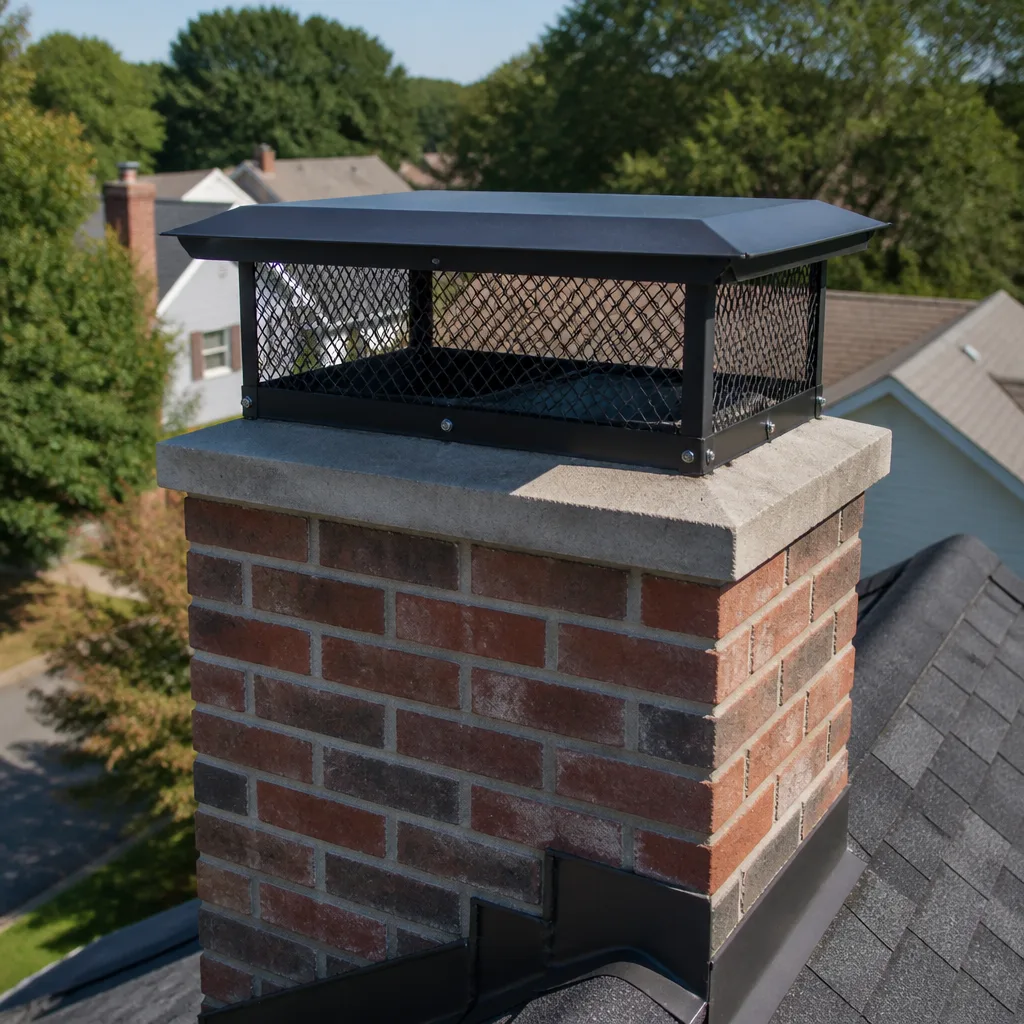 Sweep & inspection
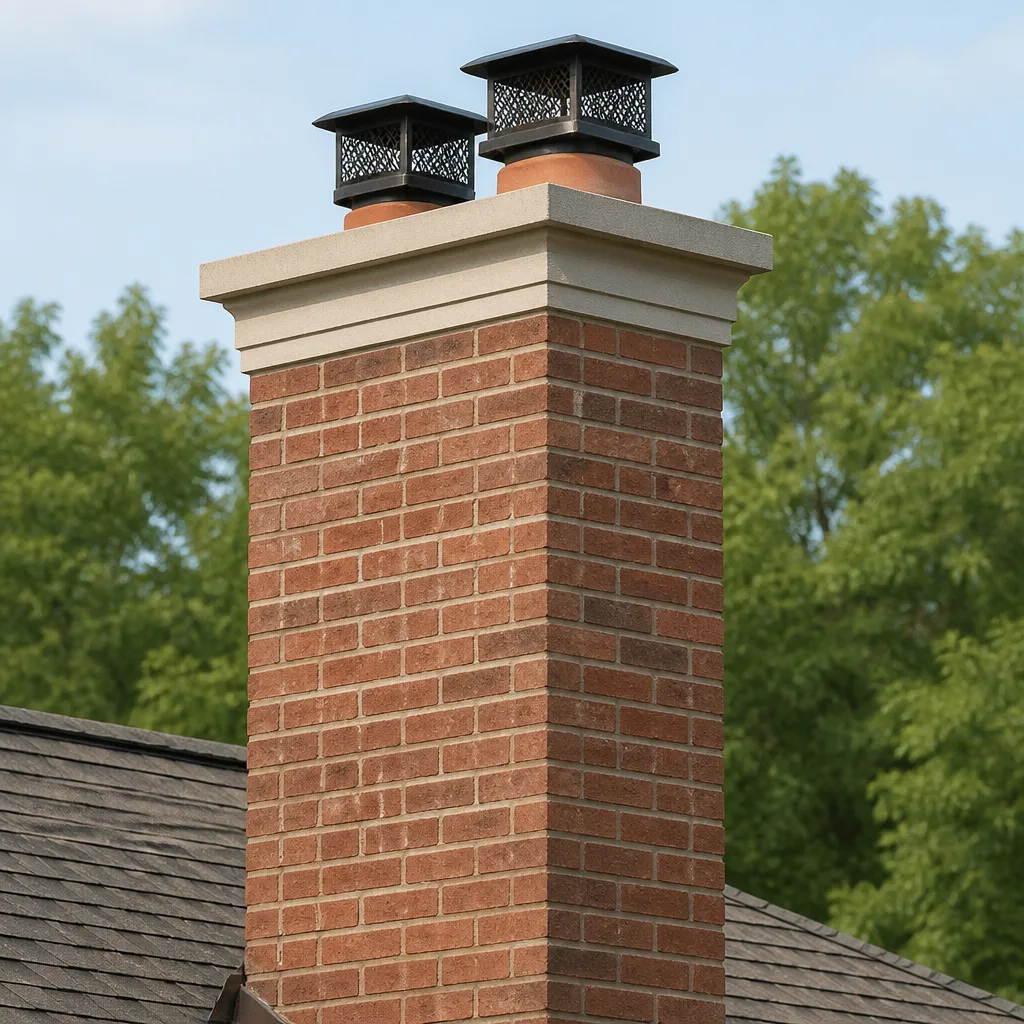 Caps & crowns
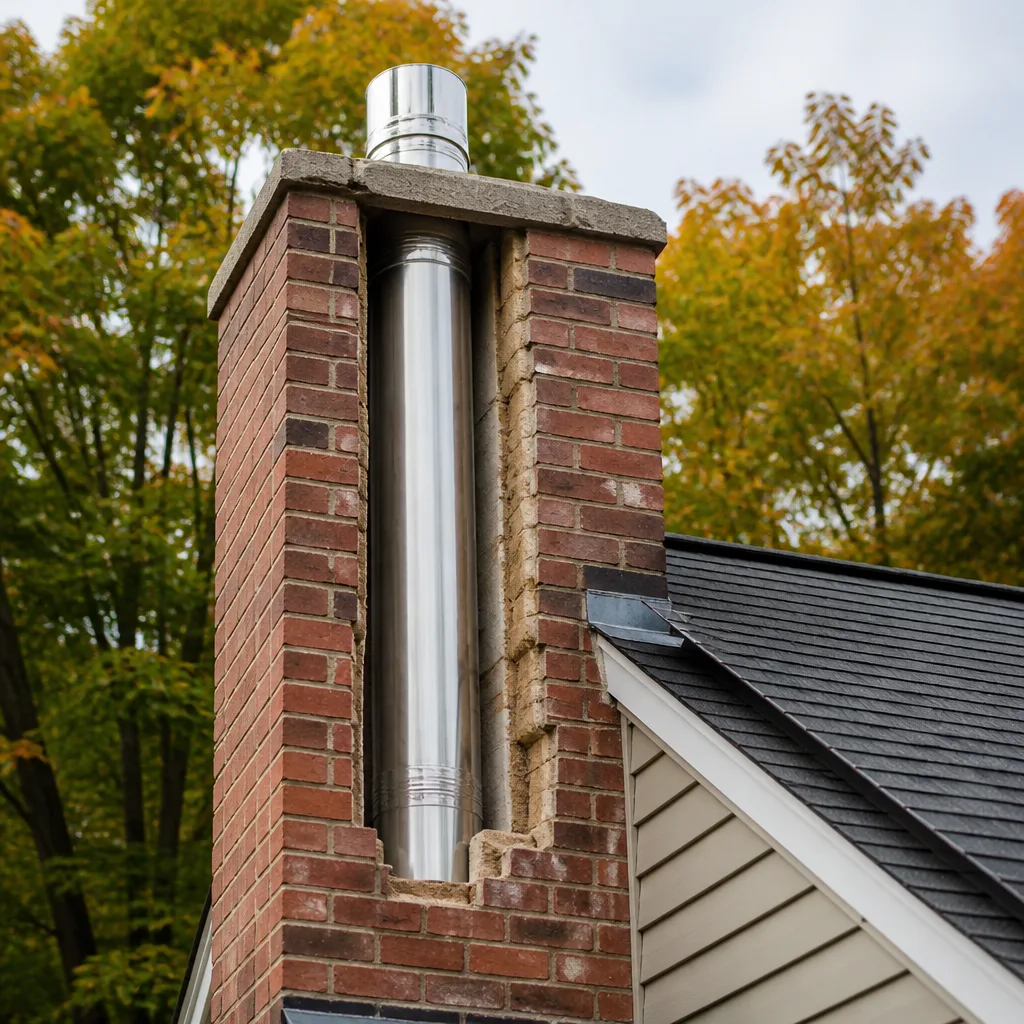 Flue relining
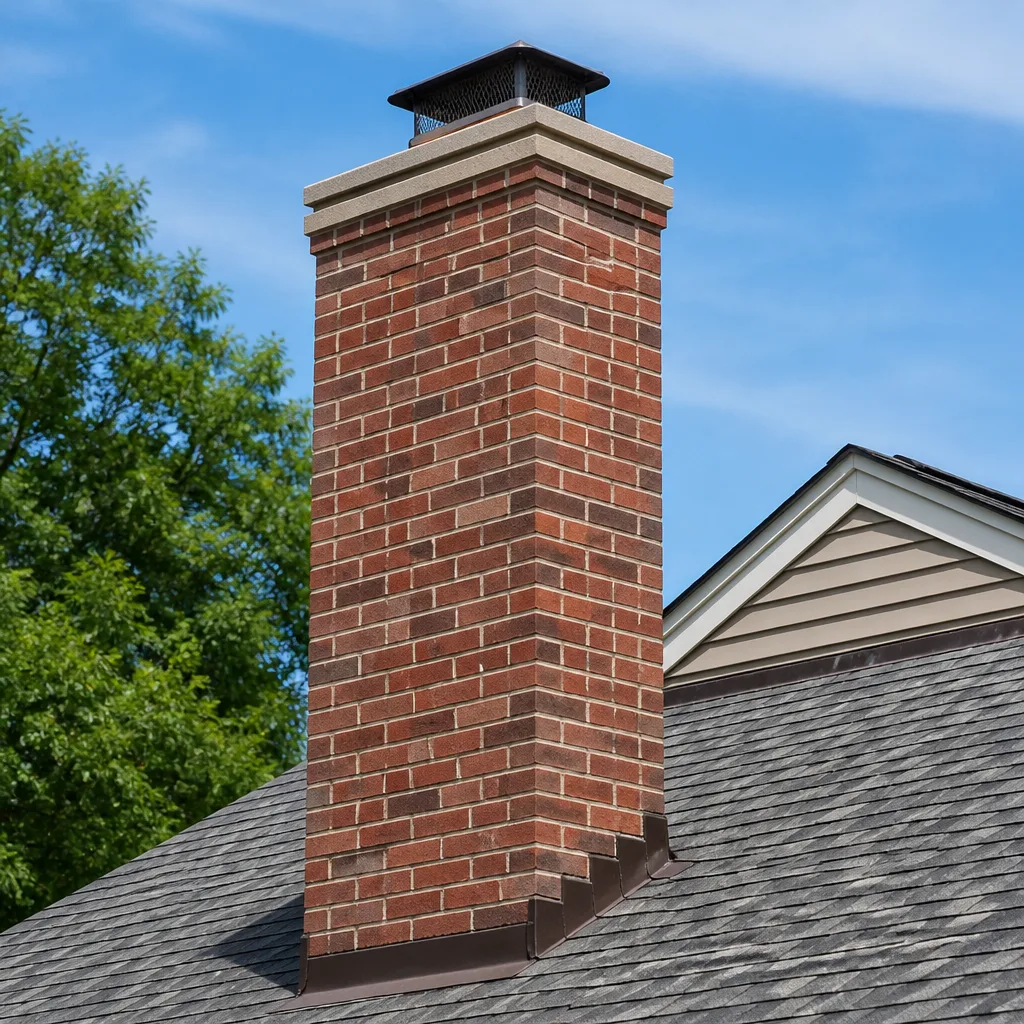 Masonry repair
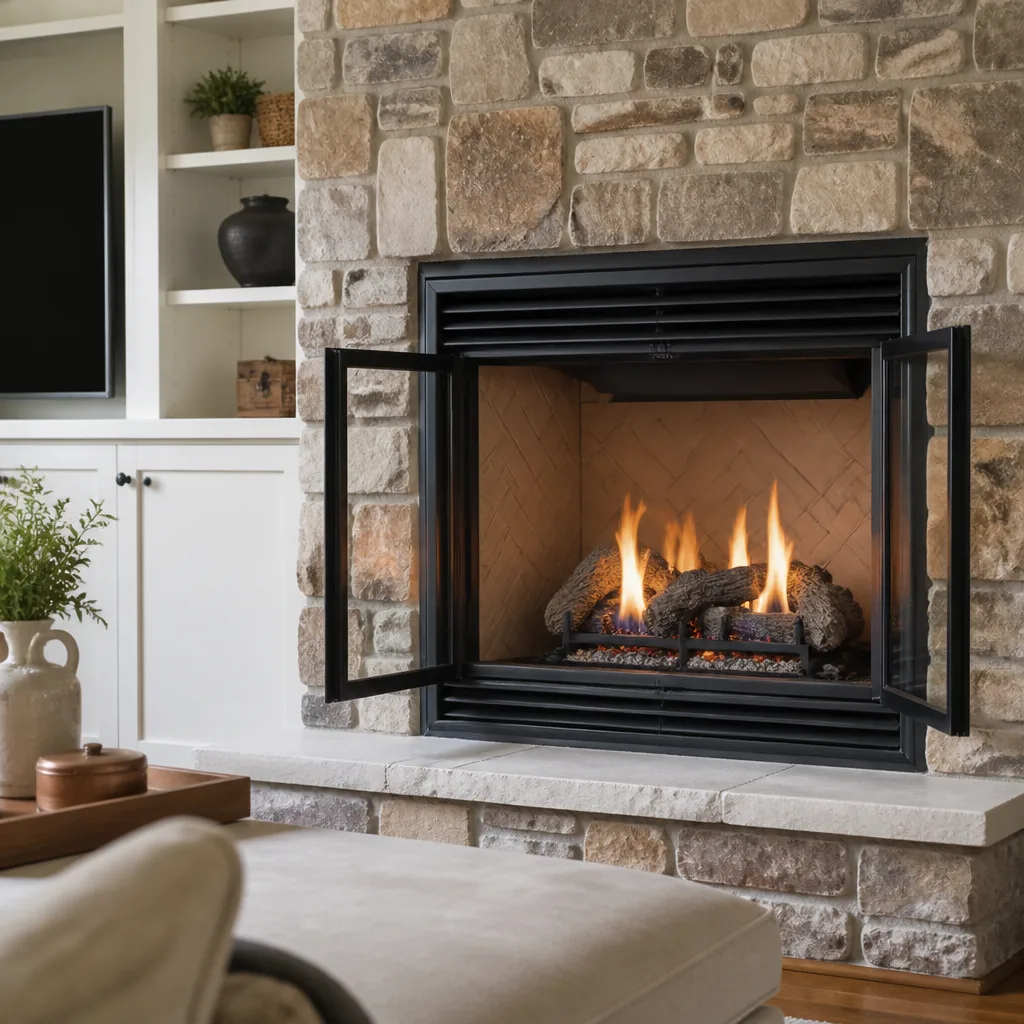 Gas fireplace service
Level 1 sweep and inspection to the NFPA 211 annual standard - flue, crown, cap, and flashing checked and photographed
Chimney sweep logs do not sweep chimneys. They loosen some creosote - which then falls where a brush and vacuum still have to collect it.
Chimney Cleaning Permits, Codes & Inspections in Oak Cliff, TX: What You Need to Know
Most chimney sweeps in Oak Cliff need no permit at all, and that surprises people in the opposite direction. Homeowners often assume that any work inside a flue requires city sign-off, so they either over-document a routine cleaning or, far more often, let a reline or firebox rebuild happen with no paperwork at all. Here’s the part that catches people: an unpermitted reline can complicate an insurance claim for a fire that starts in that flue, because the insurer can argue the work was never inspected. This guide draws the line: which chimney jobs trigger City of Dallas permits, where NFPA 211 fits in, what grandfather status really means for older Oak Cliff homes, and how a homeowner pulls a permit directly.
Quick Answer
Routine chimney sweeping and a Level 2 visual inspection in Oak Cliff generally don’t require a City of Dallas permit. Anything that changes the chimney system itself – relining, firebox rebuilds, masonry structural repair, or connecting a new appliance – typically does. Dallas inspectors evaluate that permitted work against NFPA 211, the national chimney standard, and a Level 2 post-repair inspection is what documents it. Any gas line tied to a fireplace insert or log set falls under the Texas State Board of Plumbing Examiners.
Styles & brands we work with
- Sweep & inspection
- Caps & crowns
- Flue relining
- Masonry repair
- Gas fireplace service
Table of Contents
- Where the permit line actually falls in Oak Cliff
- How NFPA 211 shapes what a Dallas inspector looks for
- What a Level 2 post-repair inspection has to document
- Gas inserts, gas logs, and the TSBPE
- Grandfather status and Oak Cliff’s older chimneys
- How to pull a chimney permit yourself through Dallas Development Services
- The inspection sequence, step by step
- Why the paper trail matters to your insurer
Where the Permit Line Actually Falls in Oak Cliff
The single most useful distinction in this whole guide is maintenance versus modification. Maintenance keeps the chimney doing what it already does. Modification changes its construction, its appliance, or its flue geometry. Permits live on the modification side. Dallas residential code treats a swept flue and a functioning damper as maintenance; the moment you add a liner, replace a firebox, or connect a different appliance, you’re altering the system and the city wants a record of it.
Here’s how the split sorts out in practice:
- Routine sweep and Level 1 or Level 2 inspection: no permit. This is the routine chimney sweep that keeps creosote in check before each burning season.
- Installing or replacing a flue liner: permit. A new liner is a structural change inside the chimney, even a flexible one like a DuraFlex system sized to an irregular flue.
- Firebox rebuild or refractory resurfacing: permit when it alters the firebox itself. HeatShield ceramic resurfacing restores a compromised liner, and whether it needs a permit depends on whether it’s a repair within the existing flue or a rebuild – the plans decide that.
- New cap and crown: usually no permit for like-for-like replacement, but check with Development Services if the crown work touches structural masonry. Proper-spec caps from Gelco and Famco are a routine install.
- Connecting a gas insert or gas log set: permit, plus TSBPE involvement if a gas line is involved (more on that below).
- Structural chimney repair – rebuilding a stack, correcting a lean, repointing a failing crown: permit. This is masonry construction.
Where people get tripped up in Oak Cliff is the gap between what a contractor says and what the record shows. A flexible liner dropped in with no permit looks identical to a permitted one from the fireplace side of the room. The difference only surfaces later, at resale or after a fire. If a contractor tells you a reline doesn’t need a permit, ask them to put in writing which Dallas code section exempts it. That question alone sorts the careful operators from the ones cutting corners.
How NFPA 211 Shapes What a Dallas Inspector Looks For
NFPA 211 is the national standard for chimneys, fireplaces, vents, and solid-fuel appliances, and it’s the technical yardstick a City of Dallas inspector uses when they look at permitted chimney work. Dallas code doesn’t reinvent chimney science; it adopts the national standard and enforces it at inspection. That’s why the wording in the code reads plainly – “installed per NFPA 211” – while the actual requirements are detailed and technical. The inspector isn’t handing down opinions. They’re checking the work against a published standard.
What NFPA 211 covers that matters inside an Oak Cliff chimney:
- Clearances to combustibles. A flue liner has to hold a specified distance from wood framing and other combustible material. This is where unpermitted work fails most often in older homes, because a previous owner may have framed tight against the chimney.
- Flue sizing. The flue must be sized to the appliance. Oversizing is a common cause of poor draft; undersizing is a code failure.
- Liner integrity and material. A clay-tile flue with cracked or missing tiles isn’t a compliant flue, which is why a reline – with a stainless system like DuraFlex or a resurfacing product like HeatShield – is often the repair path.
- Cap and crown requirements. The crown sheds water off the top of the chimney and the cap keeps rain and animals out. Both are part of the standard’s moisture-protection requirements, not optional extras.
- Appliance connections. How a stove, insert, or log set connects to the flue is spelled out, including the connector and the thimble.
In our experience, the inspections that pass cleanly are the ones where the contractor built to the standard rather than to the cheapest material that fits. A copper or stainless cap from Copperfield or Olympia Chimney, installed to spec, clears inspection without a fight. A generic hardware-store cap often doesn’t. The standard isn’t there to make work harder; it’s there so a flue fire has somewhere to go that isn’t your attic.
What a Level 2 Post-Repair Inspection Has to Document
A Level 2 inspection is a more thorough evaluation than the basic Level 1, and after permitted chimney work it’s not just good practice – it’s what closes the loop on the permit. The inspection has to be documented, not just performed. A verbal “looks good” from the technician doesn’t satisfy an inspector reviewing a file. What the inspector wants is a written record they can read against the standard.
A Level 2 post-repair inspection should capture, in writing:
- The scope of the work performed. What was installed or repaired, with the product identified – a DuraFlex liner, a HeatShield-resurfaced flue, a rebuilt crown.
- Accessible areas examined. The inspector needs to know what was actually looked at. A flue evaluated only from the firebox is different from one evaluated from the top and through any cleanouts or accessible joints.
- Findings against NFPA 211. Clearances, flue sizing, liner integrity, and the condition of cap and crown, each measured against the standard.
- Photographic evidence. This is where a proper inspection earns its keep. Photos of the liner, the crown, and the interior flue give the inspector and the homeowner something to look at that isn’t a description.
- Any deficiencies noted and their status. If something outside the scope of the repair turned up – a failing damper, a cracked crown – it should be recorded so it isn’t lost.
The reason we insist on written findings and photos is simple: it’s the difference between a homeowner knowing what was done and having to take someone’s word for it. When we handle chimney cap & crown work that requires a permit, the inspection report is the deliverable that lets the city sign off. Without it, the permit sits open.
Gas Inserts, Gas Logs, and the TSBPE
Gas appliance connections are the one part of the chimney system where a chimney contractor’s scope meets a licensed plumber’s, and that boundary is where the Texas State Board of Plumbing Examiners matters. The TSBPE licenses plumbers in Texas. Any work on the gas line serving a fireplace insert or a gas log set is plumbing work, and it’s not something a chimney sweep – or a homeowner – should be doing unlicensed. The permit and the license are separate things, and both apply.
Here’s how a gas conversion typically sorts out:
- The gas piping and connection to the appliance is plumbing. That’s a licensed plumber working under TSBPE jurisdiction, and it may require a gas permit through the city.
- The venting and connection of the appliance to the flue falls within the chimney scope. The installer has to connect the appliance per NFPA 211, and on a gas appliance the venting has to be right or the exhaust has nowhere safe to go.
- The appliance itself – a new insert or log set – has to be listed and installed per its manufacturer’s instructions, which the inspector checks against.
Where homeowners get into trouble is the fly-by-night gas log installation that hooks a line to an unlisted appliance and calls it done. Carbon monoxide is the risk, and it’s a genuine one, not a scare tactic. If a gas line needs work to connect your insert, that portion is a licensed plumber’s job, full stop. We’ll tell you when the line is out of our scope and point you toward the right trade. That’s not a limitation; it’s how the work stays safe and how it stays documented.
Grandfather Status and Oak Cliff’s Older Chimneys
“Grandfather status” means a chimney built before a given code requirement doesn’t have to meet that requirement today, as long as it’s unaltered. It’s the protection that keeps older Oak Cliff homes from being forced into full rebuilds the moment an inspector looks at them. But the protection is narrower than people assume, and it ends the moment you do permitted work on the system. This is the part many owners in Winnetka Heights and the Bishop Arts area don’t realize until they’re mid-project.
What grandfather status does and doesn’t do:
- It protects the existing construction. A chimney built to older standards and never altered can continue to be used as-is, even if it wouldn’t meet current code if built today.
- It doesn’t protect deferred maintenance. A cracked flue, a failed crown, missing mortar – those are deficiencies regardless of when the chimney was built. Grandfather status is about code compliance, not about wearing indefinitely.
- It ends with permitted work. The moment you pull a permit for a reline, a firebox rebuild, or structural repair, the work being permitted has to meet current code. That’s not an injustice; it’s the deal. The existing chimney wasn’t altered, so it was grandfathered; the altered piece is new work and it’s held to the current standard.
- It never overrides a documented hazard. If the flue is unsafe as it stands, the grandfather argument doesn’t keep it usable. The answer is repair, permitted or not.
Oak Cliff’s historic housing stock is where this matters most. Homes built in the early twentieth century frequently have clay-tile flues, undersized relative to a modern insert, and clearances to framing that predate current requirements. When we look at one of these and the liner needs to be replaced, the honest answer is that the new liner has to meet NFPA 211, and the permit makes that visible. The grandfather status was never a shield against fixing what’s broken – it was a shield against being ordered to fix what wasn’t.
How to Pull a Chimney Permit Yourself Through Dallas Development Services
You can pull a chimney permit as a homeowner. Dallas Development Services issues residential permits, and the homeowner-owner of a single-family home can usually pull the permit themselves for work on their own residence. Doing it yourself doesn’t exempt the work from inspection – it just means you’re the applicant and the responsible party. For a simple cap-and-crown replacement where a permit is required, that’s a reasonable path. For a reline, most homeowners hand the permit off to the contractor, because the contractor is the one who has to be on site at inspection.
The general sequence, step by step:
- Get the scope in writing first. Before any permit is pulled, you need a written scope of the work: what’s being installed or repaired, the product and material, and where. This is the same scope the inspector checks against later.
- Determine whether the work needs a permit. Routine maintenance doesn’t. Relining, firebox rebuilds, structural repair, and new appliance connections generally do. When unsure, ask Development Services directly rather than assuming.
- Assemble the submittal. A residential chimney permit typically needs the scope, product documentation (liner specs, cap and crown specs, appliance listing), and a simple drawing of the work location. The exact submittal requirements are set by the city, so confirm what’s current before you file.
- Submit and pay the permit fee. Fees are set by the city. They aren’t part of our estimate, and the written estimate you get from us won’t include them.
- Schedule the inspection sequence. Permitted chimney work usually involves a rough inspection after the liner or firebox work is in but before it’s closed up, and a final inspection after the cap and crown are on. The exact sequencing is set by Development Services.
- Keep the paperwork. The approved permit and the close-out documentation, including the Level 2 report and photos, are the record that the work was done right. Your insurer may want them.
One practical note for Oak Cliff homeowners: a permit pulled by the contractor is generally cleaner than one pulled by the homeowner, because the contractor has to coordinate the inspection schedule and be present. When we handle a reline, the permit is part of the fireplace repair scope, not an afterthought. The estimate should tell you clearly whether the permit is included or whether you’re pulling it separately.
The Inspection Sequence, Step by Step
Knowing what the inspector is looking at, and when, removes most of the anxiety from permitted chimney work. The sequence usually runs rough-then-final. The rough inspection looks at the parts that get hidden once the work is finished. The final inspection looks at the completed system as a whole. On a reline, the rough inspection is the one that matters most, because a liner defect buried under a finished firebox is expensive to correct later.
What inspectors typically examine at each stage:
- Rough inspection – liner and flue. The installed liner is checked against its listing, the clearances to combustibles are verified, and the flue is checked for obstructions or cracks that should have been addressed before lining.
- Rough inspection – firebox and appliance connection. If a firebox was rebuilt or a new appliance connected, the connection and the firebox refractory are checked against NFPA 211 and the manufacturer’s instructions.
- Final inspection – cap, crown, and top of the stack. The crown sheds water correctly; the cap protects the flue without restricting it. A poorly seated cap or a crown that doesn’t slope is a common finding.
- Final inspection – damper, smoke chamber, and appliance. Everything from the firebox up has to work as a system, including the damper seating and the appliance venting.
- Close-out. The inspector signs off. The permit closes. The Level 2 report and photos become your record.
The single biggest reason permitted work fails inspection is not a bad material – it’s a rough-in that got covered before inspection. The liner went in, the firebox got rebuilt, the work got closed up, and the inspector sees a finished result with no way to verify the concealed parts. A careful contractor schedules the inspection before closing anything up. That’s the boring discipline that keeps a project on track. Our team schedules the inspection as a step in the job, not a favor to be arranged afterward.
Why the Paper Trail Matters to Your Insurer
Homeowners in Oak Cliff don’t usually think about their insurer until something has gone wrong, and by then the paperwork is the whole argument. A fire that starts in a flue looks, from the insurer’s side, like a question of whether the chimney was maintained and whether any work on it was done to standard. If a reline was completed without a permit, the insurer can point to unpermitted work and dispute coverage. That is not a scare tactic; it’s how claims get decided.
The insurer generally wants to see two things if a chimney-related claim lands on their desk:
- Evidence of maintenance. A sweep record and a Level 2 inspection report show the chimney was looked after, not ignored. A chimney with no sweep history is a harder claim to defend.
- Evidence that structural work was permitted and inspected. An approved permit, an inspection close-out, and the Level 2 post-repair report are that evidence.
If you’re in an older Oak Cliff home and a contractor recently told you the reline didn’t need a permit, that’s your cue to get the documentation in order. A retrofit with no permit isn’t automatically unsafe – but it is undocumented, and undocumented is what an insurer goes after. If you’re unsure what’s been done to your chimney and what the record shows, a Level 2 inspection is the starting point. It tells you the condition, and it tells you whether the paperwork matches.
Common Mistakes to Avoid
- Assuming every sweep needs a permit. Most don’t. Routine sweeping and a Level 1 or 2 inspection are maintenance. If a contractor tells you a basic sweep requires city approval, ask for the code reference – it usually doesn’t exist.
- Skipping the permit on a reline. The most expensive mistake in this guide. A reline without a permit is invisible from the room, and the insurer can challenge a claim years later. The permit is part of doing the job correctly.
- Covering up rough-in work before inspection. If a firebox is rebuilt or a liner installed and the work is closed up before the rough inspection, the inspector has nothing to verify. Schedule the inspection as a step, not a follow-up.
- Letting a sweep hook up a gas line. Gas line work on an insert or log set is TSBPE-licensed plumbing. A chimney contractor whose toolkit includes a wrench and not a plumbing license should not be connecting the gas.
- Treating grandfather status as a permanent pass. In Oak Cliff’s historic homes, grandfather status ends when permitted work begins. The reline or rebuild has to meet current code even if the original chimney predates it.
- Forgetting that the permit isn’t the inspection. A permit is the city’s permission to do the work and inspect it. The inspection is where the work gets verified. A closed permit with a skipped inspection is not the same as a completed job.
- Not keeping the paperwork. The Level 2 report, photos, and permit close-out are the record that protects you at resale and at claim time. Photograph them and file them with the deed.
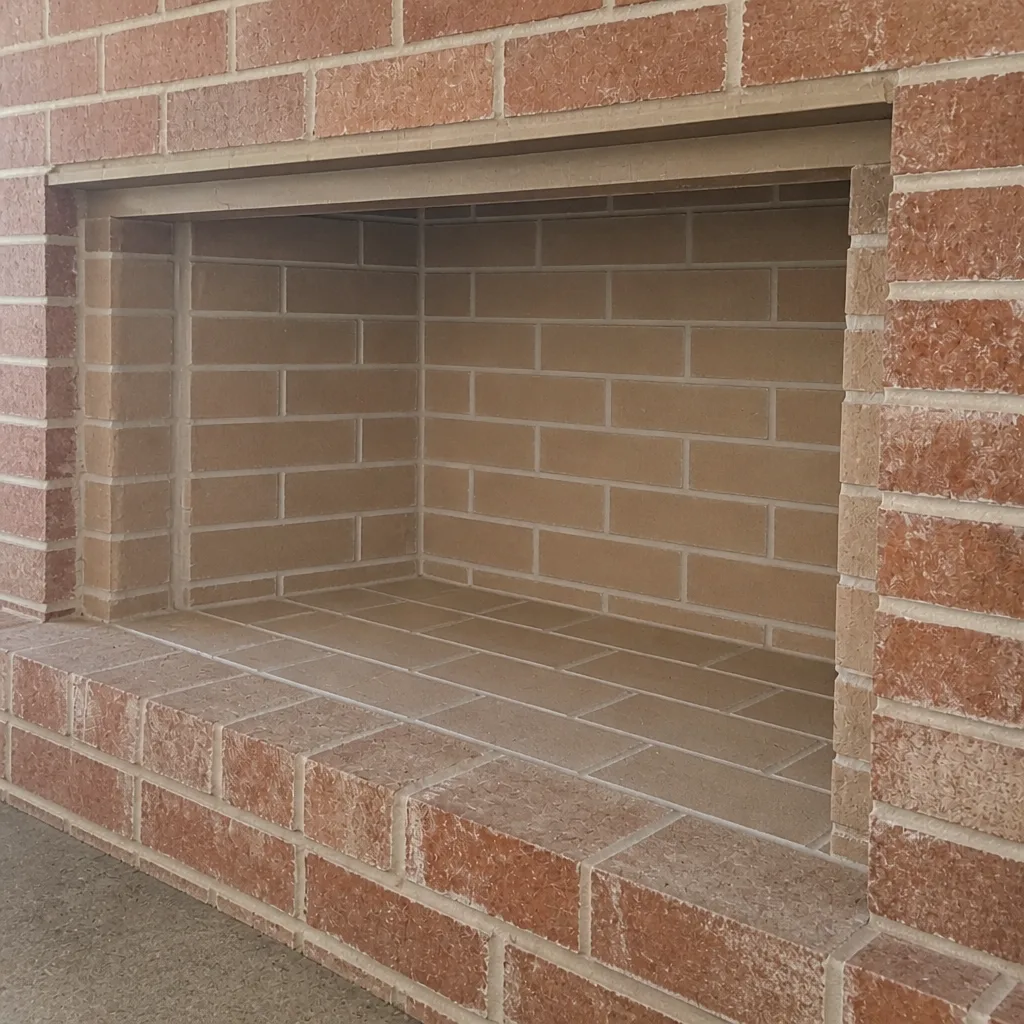
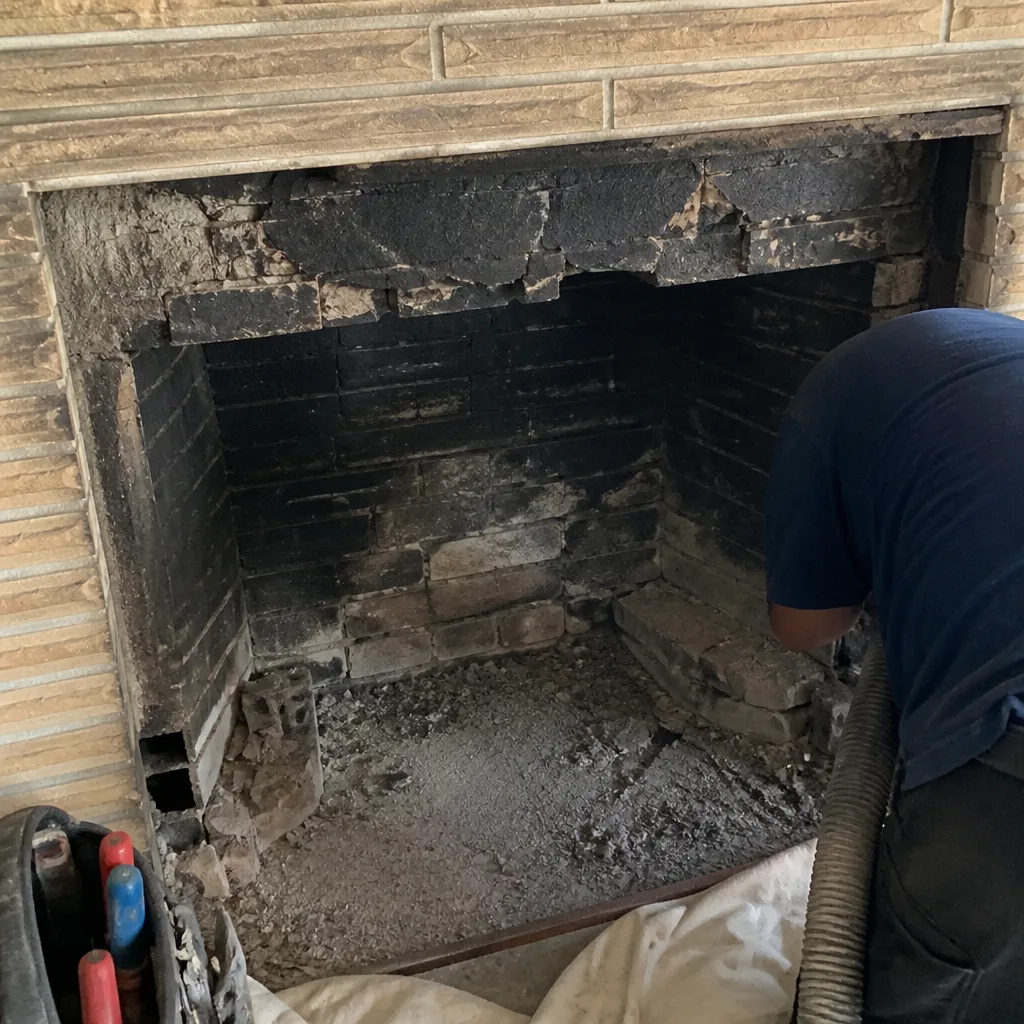
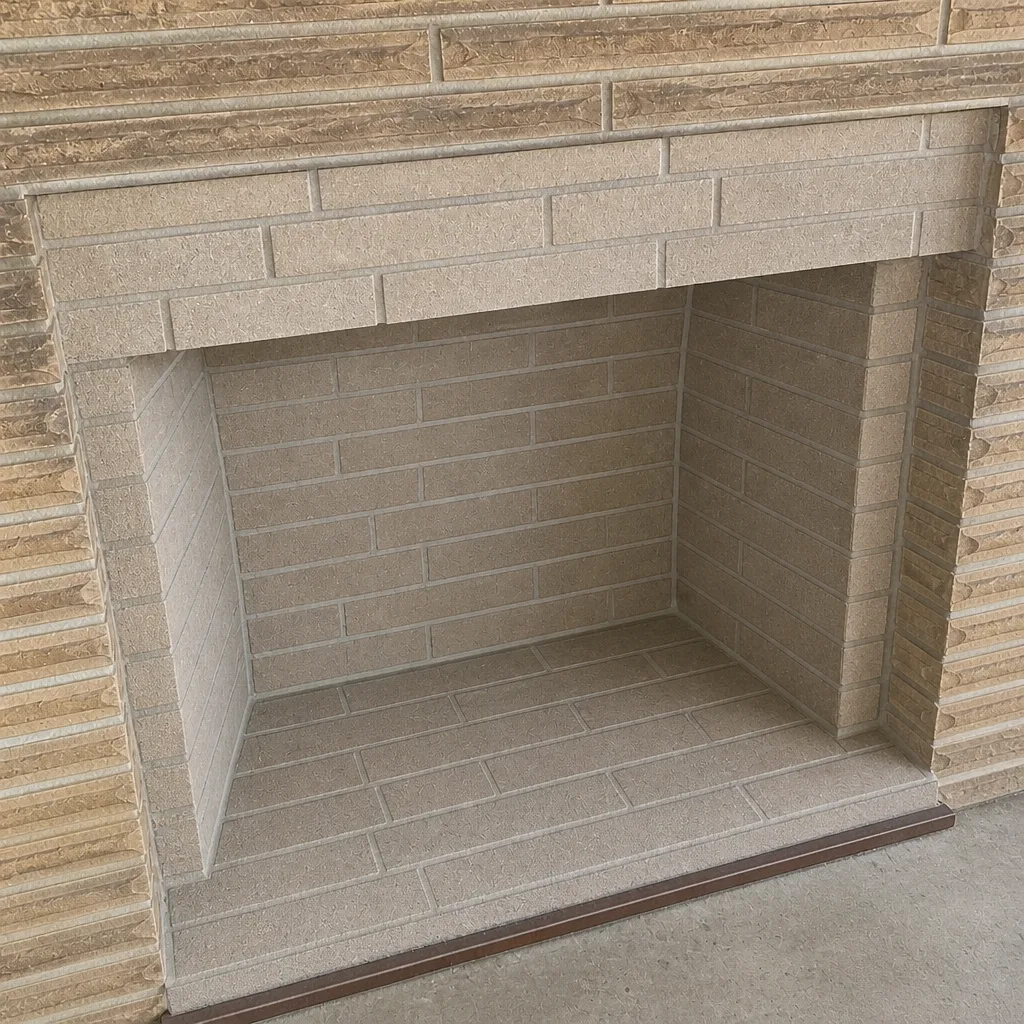
See the difference
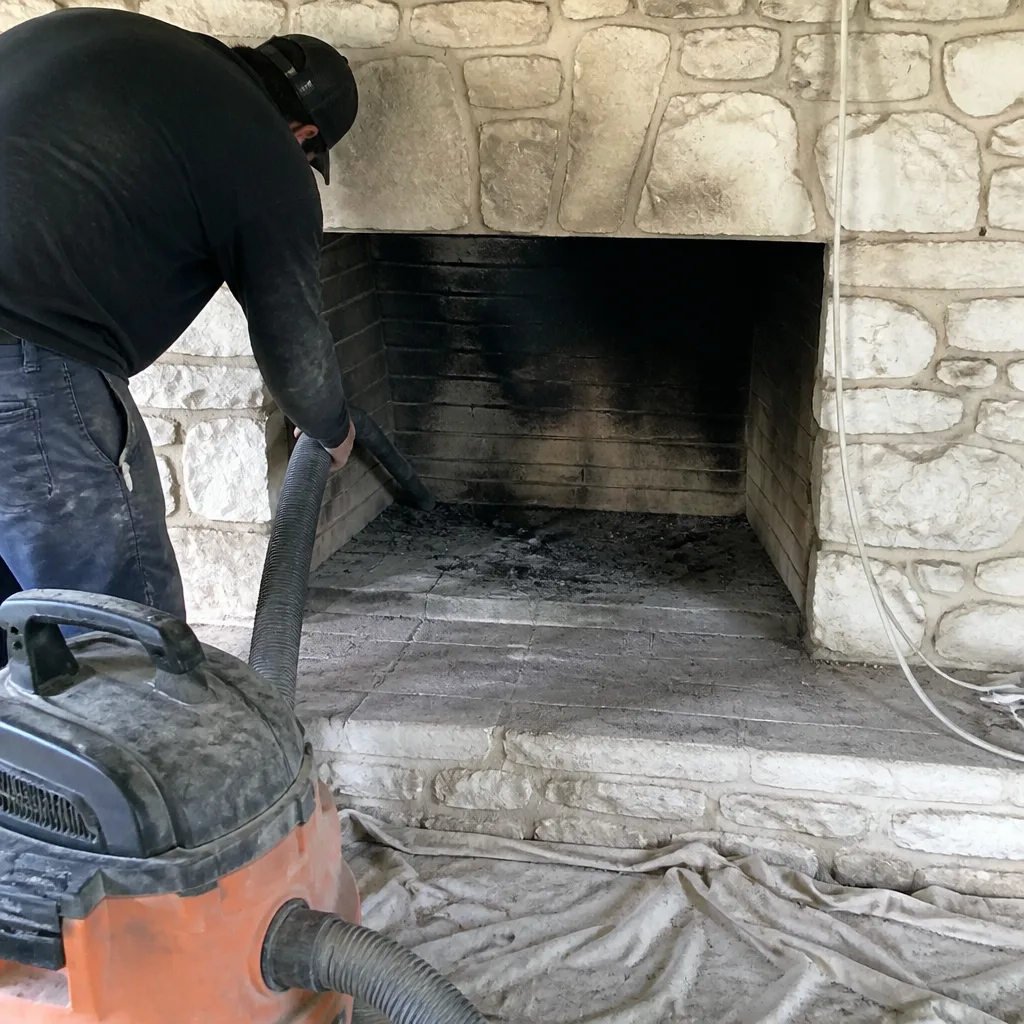 Before
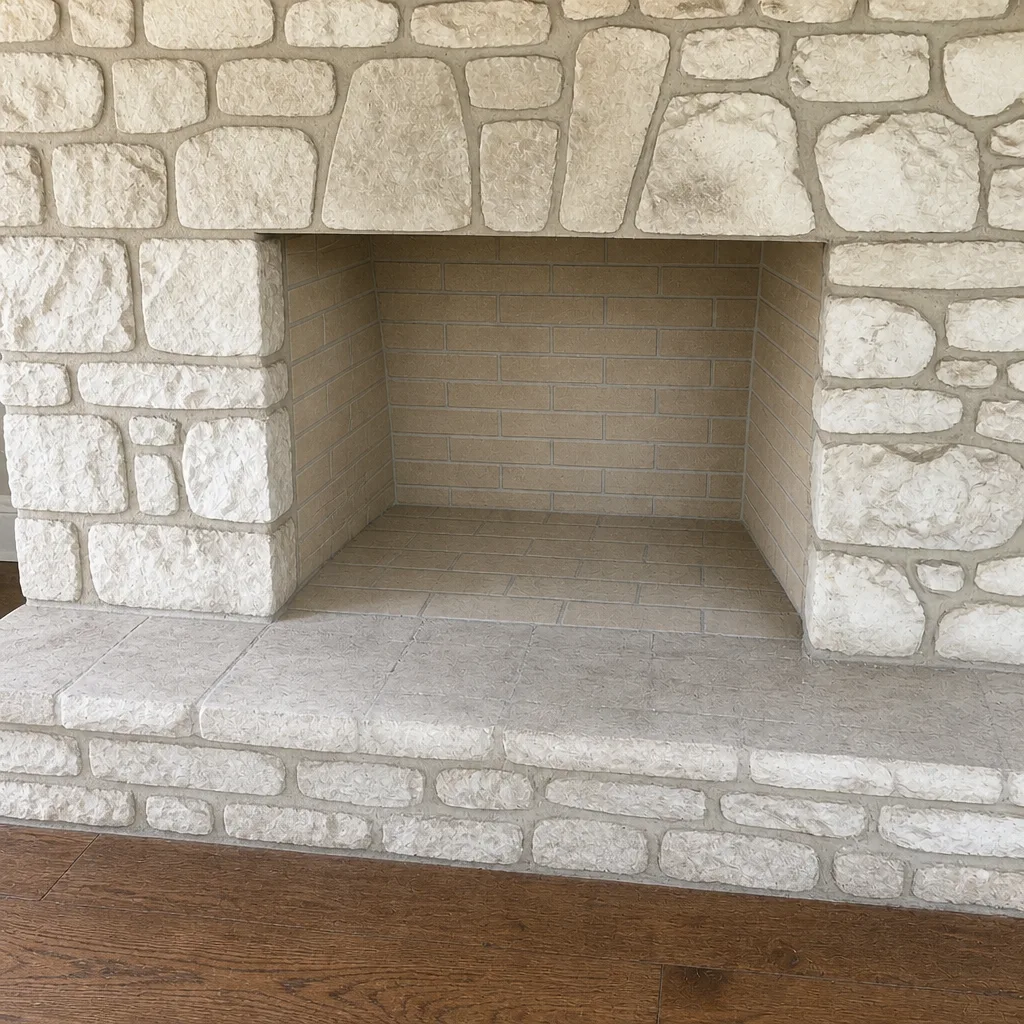 After
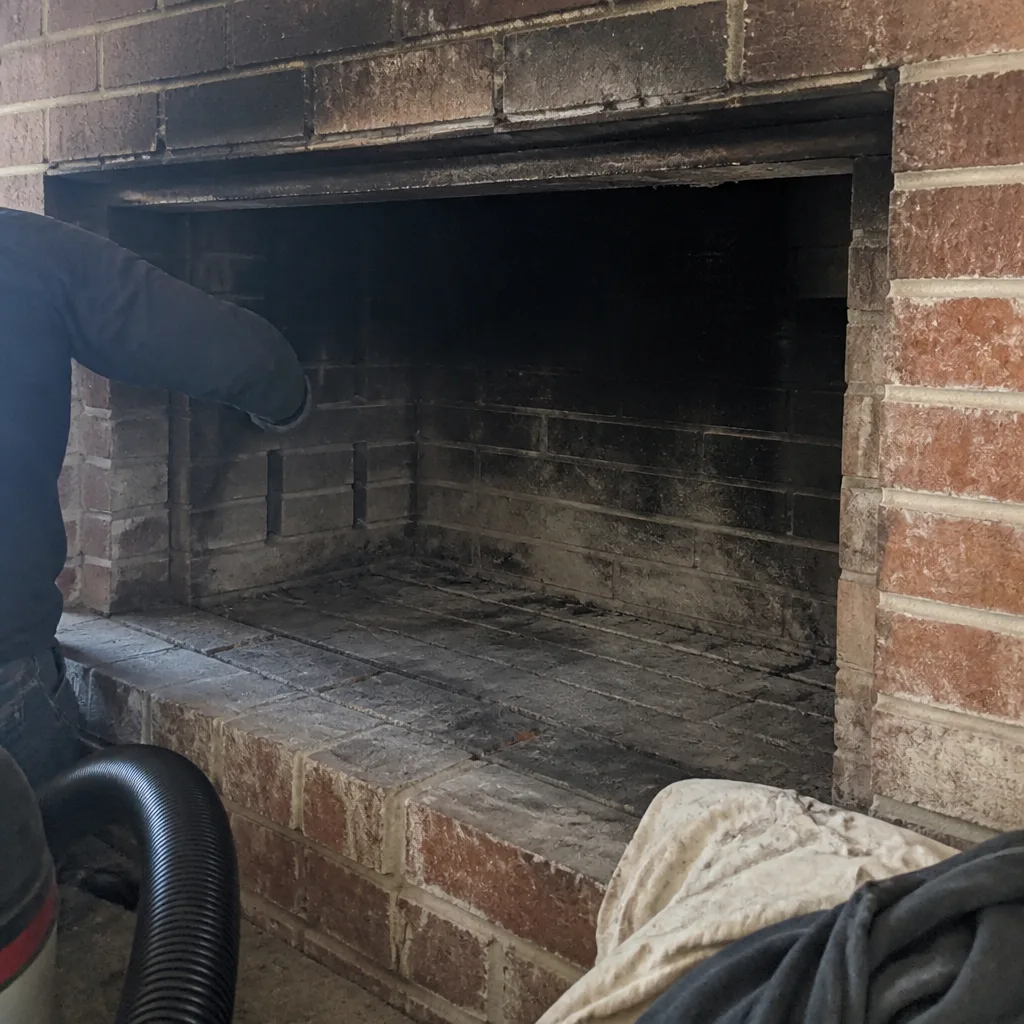 Before
 After
 Before
 After
When to Call a Professional
A few situations genuinely call for a professional rather than a homeowner with a flashlight and a ladder. If you’ve never had the chimney inspected and you don’t know when it was last swept, a Level 2 inspection is the place to start. If a contractor told you the chimney needs a reline or a firebox rebuild, that decision turns on the condition of the flue, the clearances, and the flue sizing, all things a trained inspector reads. If your homeowner’s insurance is asking for documentation, or you’re about to sell and the buyer’s inspector flagged the chimney, the record has to come from someone qualified to produce it. And if the chimney has been unused for a while, or a storm knocked into the cap or crown, an inspection before you light the first fire is the right move. Chimney Sweep Oak Cliff offers free estimates in Oak Cliff – call (888) 847-8540. We answer 24/7. Fast dispatch from 7am to 7pm, Sunday through Friday.
Frequently Asked Questions
No. Routine chimney sweeping is maintenance, not construction, and it doesn’t require a permit through Dallas Development Services. A Level 1 or Level 2 inspection is also maintenance. The permit question only comes up when work changes the system – relining, firebox rebuilds, structural repair, or a new appliance connection. Call (888) 847-8540 for an exact quote on a sweep or inspection – estimates are free.
Generally yes. A new flue liner is a structural change to the chimney, and permitted reline work is inspected against NFPA 211. That includes flexible systems like DuraFlex sized to an irregular flue, and it includes ceramic resurfacing with HeatShield where the work alters the existing flue. The permit is what makes the work visible at resale and at claim time. Call (888) 847-8540 and we’ll walk through whether your specific job needs one.
NFPA 211 is the national standard for chimneys, fireplaces, vents, and solid-fuel appliances, and it’s the technical standard a City of Dallas inspector measures permitted chimney work against. It covers liner integrity, flue sizing, clearances to combustibles, and cap and crown requirements. When a permit requires inspection, the inspector is checking against the standard, not against an opinion. Call (888) 847-8540 for a free estimate on work that has to meet it.
No. Grandfather status protects an unaltered chimney from having to meet current code, but it ends the moment permitted work begins. The reline or rebuild is new work and has to meet current code, including clearances and flue sizing. The original chimney being pre-code doesn’t carry the new work with it. Call (888) 847-8540 to get a free estimate and a straight answer on what your chimney actually needs.
A licensed plumber licensed by the Texas State Board of Plumbing Examiners. The gas line and connection to the appliance are plumbing work, not chimney work, and both a plumbing permit and a chimney permit may apply. The venting and appliance-to-flue connection are within the chimney scope and checked against NFPA 211. Call (888) 847-8540 and we’ll tell you which part is ours and which part needs a plumber.
Usually yes, for work on your own single-family home through Dallas Development Services. Doing it yourself means you’re the applicant and the responsible party for the inspection schedule. On a reline or firebox rebuild, most homeowners hand the permit to the contractor because the contractor has to be present at inspection. Either way, the scope has to be in writing before the permit is filed. Call (888) 847-8540 to talk through the scope before you file.
The Bottom Line
Routine sweeping and inspection in Oak Cliff don’t need a permit. Relining, firebox rebuilds, structural repair, and new appliance connections generally do, and the permit is what brings City of Dallas inspection into the job. Dallas inspectors measure that work against NFPA 211, the reline has to meet current code even in a grandfathered older home, and a Level 2 post-repair inspection with photos is what closes the loop. Gas work is TSBPE-licensed plumbing. Keep the paperwork – it protects you at resale and at claim time. Use Chimney Sweep Oak Cliff for the sweep, the inspection, and any repair, and call (888) 847-8540. We answer 24/7. Fast dispatch from 7am to 7pm, Sunday through Friday. Estimates are free, and nothing is recommended without camera evidence you can see for yourself.
Written by the team at Chimney Sweep Oak Cliff.