
Last updated November 22, 2026
 Sweep & inspection
 Caps & crowns
 Flue relining
 Masonry repair
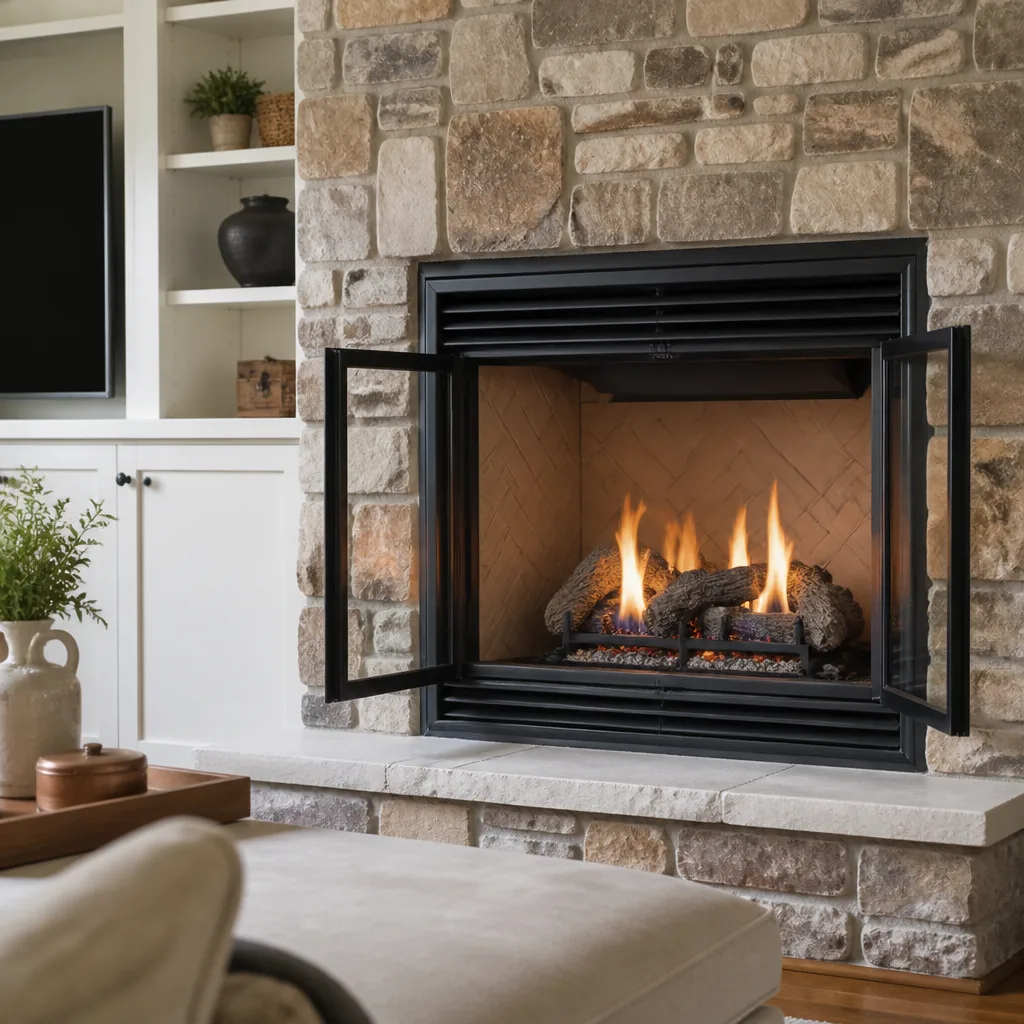 Gas fireplace service
Level 1 sweep and inspection to the NFPA 211 annual standard - flue, crown, cap, and flashing checked and photographed
Chimney sweep logs do not sweep chimneys. They loosen some creosote - which then falls where a brush and vacuum still have to collect it.
Chimney Cleaning Warning Signs: An Oak Cliff Homeowner’s Reference Guide
A white stain running down your chimney’s brick face isn’t a cosmetic issue. It’s efflorescence, and it means water is already moving through your masonry and dissolving mortar from the inside out. The signs homeowners actually call us about are usually the late ones: smoke rolling into the living room, a rusted damper, a fire that won’t draw. By the time those show up, the problem has often been developing at the liner, crown, or flashing level for months or years. This guide teaches you to read the early signals before they turn into the dramatic ones, organized by where in the chimney system they appear. Oak Cliff homes have their own patterns, and knowing where to look changes what you find.
Quick Answer
In Oak Cliff, the most reliable early chimney warning signs are white efflorescence staining on exterior brick, a dark oily glaze inside the firebox or smoke chamber, rust on the damper or firebox metal, spalling brick faces, and a persistent musty odor near the hearth. Any one of these means moisture, creosote, or both are already present in the system, and a professional inspection should come before the next fire. Stage 3 glazed creosote and cracked flue tiles are the dangerous late-stage signals, not the early ones.
Styles & brands we work with
- Sweep & inspection
- Caps & crowns
- Flue relining
- Masonry repair
- Gas fireplace service
Table of Contents
- How to Read a Chimney Like a Technician
- Signs Inside the Firebox and Smoke Chamber
- The Three Stages of Creosote: What to Look For
- Exterior Masonry and Efflorescence
- Roofline Signs: Crown, Cap, and Flashing
- Interior Warning Signs Inside the Home
- Draft Problems: Backdrafting Versus Smoke Spill
- Spalling Brick: Normal Weathering Versus Failure
How to Read a Chimney Like a Technician
A chimney is a system with five working zones: the firebox and damper, the smoke chamber above it, the flue liner, the crown and cap at the top, and the masonry shell around all of it. Each zone fails in a predictable order, and each one leaves evidence. When our technicians walk a roofline in Oak Cliff, we’re reading that evidence from the bottom up and the top down at the same time, because a stain at the base and a cracked crown at the top usually describe the same water path.
The order of failure matters for homeowners. Water and creosote are the two enemies of a chimney, and they work together. Creosote accumulates from normal burning, and moisture weakens the mortar and brick that hold the flue in place. Once the masonry weakens, water has an easier path in, which accelerates everything. That’s why the early signs are almost always moisture signs, not flame signs.
You don’t need to climb a ladder to do useful reconnaissance. The homeowner-visible warning signs fall into five groups:
- Inside the firebox: color, texture, and metal condition
- Above the damper: what you can see with a flashlight and mirror
- On the exterior brick: staining, texture, and missing mortar
- At the roofline: crown cracks, cap condition, flashing gaps
- Inside the house: ceiling stains, odors, and sounds
Any single sign on this list is a reason to schedule a sweep and inspection, not a reason to panic. Two or more together, especially across different zones, is a reason to stop burning until someone qualified looks at the flue. Our chimney sweep visits exist to catch exactly this: the intermediate stage between “fine” and “emergency.”
Signs Inside the Firebox and Smoke Chamber
The firebox is the easiest place to read a chimney because you can see it without a ladder. Start with the metal. Damper plates, damper frames, and firebox grates are usually steel, and steel tells the truth. Rust on a damper is a sign that moisture is sitting in the chimney above the fire from rain or from condensation on a cold flue, not from a wet log.
Here’s what to look for, in order of how early it appears:
- Rust spots on the damper frame or grate. The earliest signal. Often misunderstood as age. It’s water.
- A dark oily sheen inside the firebox walls above the fire line. This is early creosote film, and it builds faster in a firebox that burns cool or smolders.
- White or gray chalky powder on the firebox brick. Mortar is being eaten. Common in homes with a chimney that takes on water but hasn’t visibly failed yet.
- Cracked or crumbling firebrick. Firebrick is designed to take heat; if it’s failing, either it’s been overheated or water is in the joints.
- A hard, shiny, tar-like coating visible when you look up past the damper. This is advanced creosote and a strong signal to stop burning until it’s swept.
Above the firebox sits the smoke chamber, the sloped funnel that transitions the firebox to the flue. You usually can’t see it well without a mirror and flashlight, and that’s fine. What you’ll notice indirectly is smoke that hangs in the chamber and drifts back into the room even when the damper is open. When our technicians find a smoke chamber with corbelled brick ledges caked in creosote, we often recommend HeatShield ceramic resurfacing, which smooths the chamber and improves both draft and the safety of the system without a rebuild. It’s a specialist material, and worth asking your provider whether they carry it.
The Three Stages of Creosote: What to Look For
Creosote forms in three distinct stages, and each looks and feels different. Recognizing which stage you’re likely dealing with tells you how urgent a sweep is and whether a standard sweep will handle it.
Stage 1 is a light, flaky, soot-and-ash coating. It looks like fine black powder with a slight cling, rubs off easily, and is what most of a chimney looks like between annual sweeps. A standard sweep removes it. Frequency depends on how much you burn, but once a year is the practical rule for most wood-burning households.
Stage 2 is a denser, darker deposit. It looks like a hard, crunchy crust, sometimes with visible layers, and it clings to the flue wall in irregular patches. It won’t rub off. A standard sweep may remove it with extra effort, but the flue deserves a careful inspection afterward to see if the liner has been affected. Stage 2 means your fire is running cooler or your wood is wetter than it should be.
Stage 3 is the one to worry about. It looks like dark caramel, tar, or glaze, feels hard, and can look almost wet on the surface. It ignites at a much lower temperature than Stage 1 or 2 and is the classic fuel for a chimney fire. A Stage 3 flue should not be used until it’s professionally removed and the liner is inspected for heat damage.
In Oak Cliff, wood is often bought by the half-cord from roadside sellers who don’t mention moisture content. Wet firewood is the single most common reason we find Stage 2 or Stage 3 deposits where the homeowner swears the chimney isn’t that old.
Exterior Masonry and Efflorescence
Walk out to the side of the house and look at the chimney brick. A healthy brick chimney in Oak Cliff shows some weathering: slight color variation, darkening at the water table, faint dust. What you’re looking for is anything that reads as a change in the surface itself, because those changes have specific names and specific meanings.
- Efflorescence is the white, powdery, salt-like stain that appears on brick when water moves through the masonry and evaporates at the surface, leaving mineral salts behind. It’s the single most reliable early warning of water intrusion, and it often appears months before any visible brick failure.
- Spalling is the flaking or peeling of the brick face. It means the brick has absorbed water, gone through expansion and contraction, and is failing structurally. The brick face can pop off in a coin-sized piece or a large sheet.
- Dark staining near the top and bottom of the chimney, especially combined with cracks in the mortar joints, usually points to water entry at the crown and poor drainage around the flashing.
- Missing or receding mortar joints look like deep grooves instead of flat mortar lines. This is where water gets in most easily and where the repair is cheapest if caught early.
If you see efflorescence, don’t paint over it. Paint traps moisture inside the brick and accelerates spalling. Ask for a professional inspection to find the entry point, which is usually at the crown or flashing. In Oak Cliff’s pre-war brick homes, we often find the crown has a hairline crack visible only from the roof, and the brick at the base is showing the symptom.
Roofline Signs: Crown, Cap, and Flashing
The top of the chimney does most of the work of keeping water out, and most of what fails is up there out of sight. A proper inspection climbs to the roof and reads three things: the crown, the cap, and the flashing where the chimney meets the roof.
The crown is the sloped concrete or mortar cap at the very top. It’s supposed to shed water. A crack over a quarter-inch wide, a crack that extends from the flue to the edge, or any place where the crown feels soft or eroding underfoot is a failed crown. In Oak Cliff, crowns take summer UV and slow winter moisture, and they fail in that order: crack, absorb, spall.
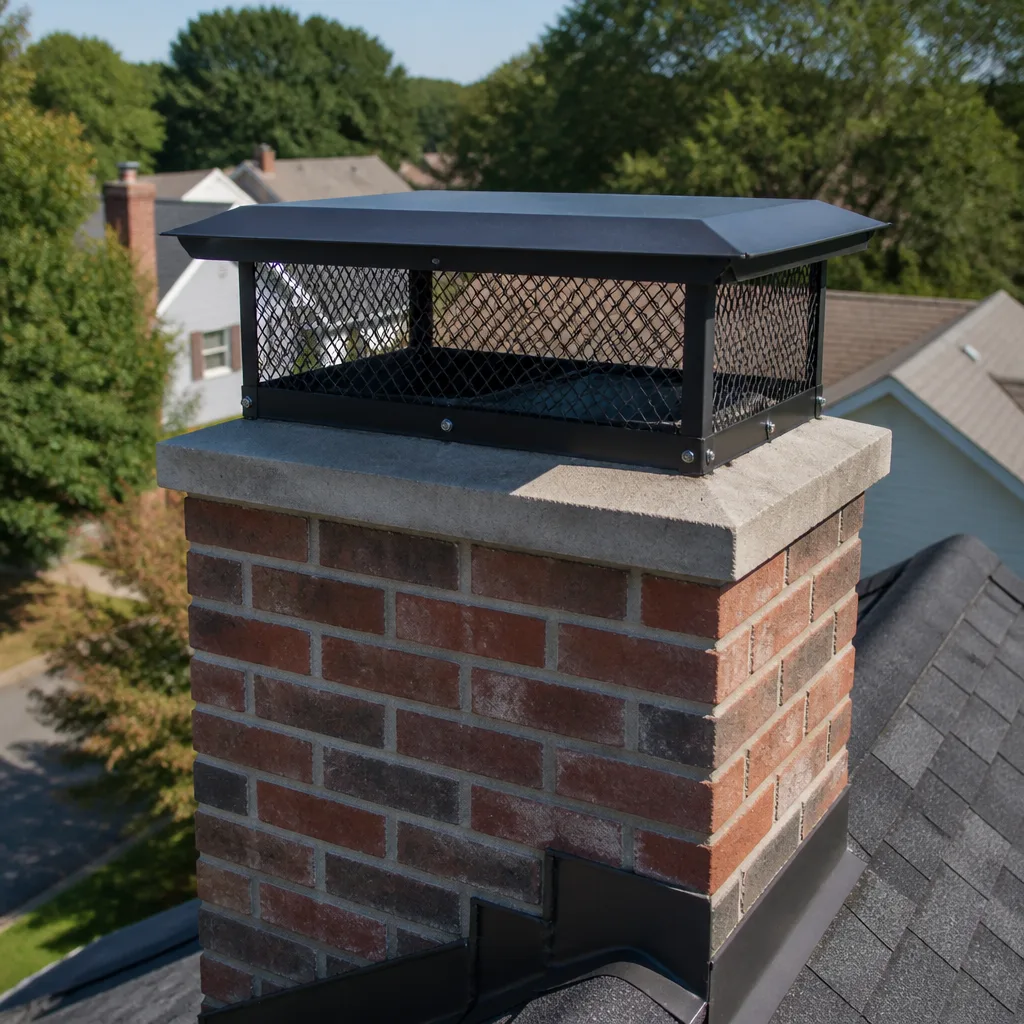
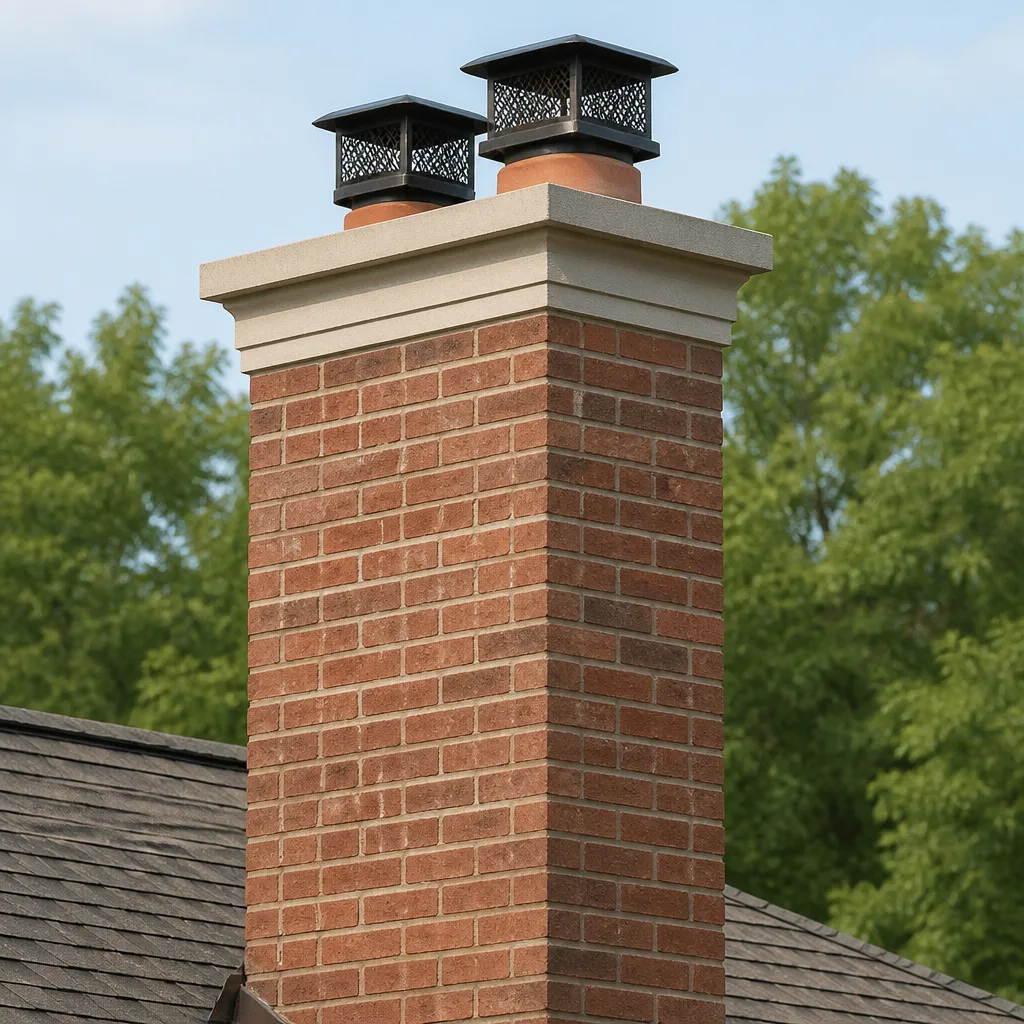
The cap is the metal cover with a mesh screen that sits above the flue tile. It pays for itself in two ways: it keeps rain out of the flue, and it keeps birds, raccoons, and squirrels from nesting on the smoke shelf. We use Gelco and Olympia Chimney caps because they’re built to the correct spec for the flue size, not a generic one-size sheet. A cap that’s missing, bent, or has rusted-through mesh is a warning sign that something is either already inside the flue or about to be. Scheduling proper chimney cap & crown work handles both at once.
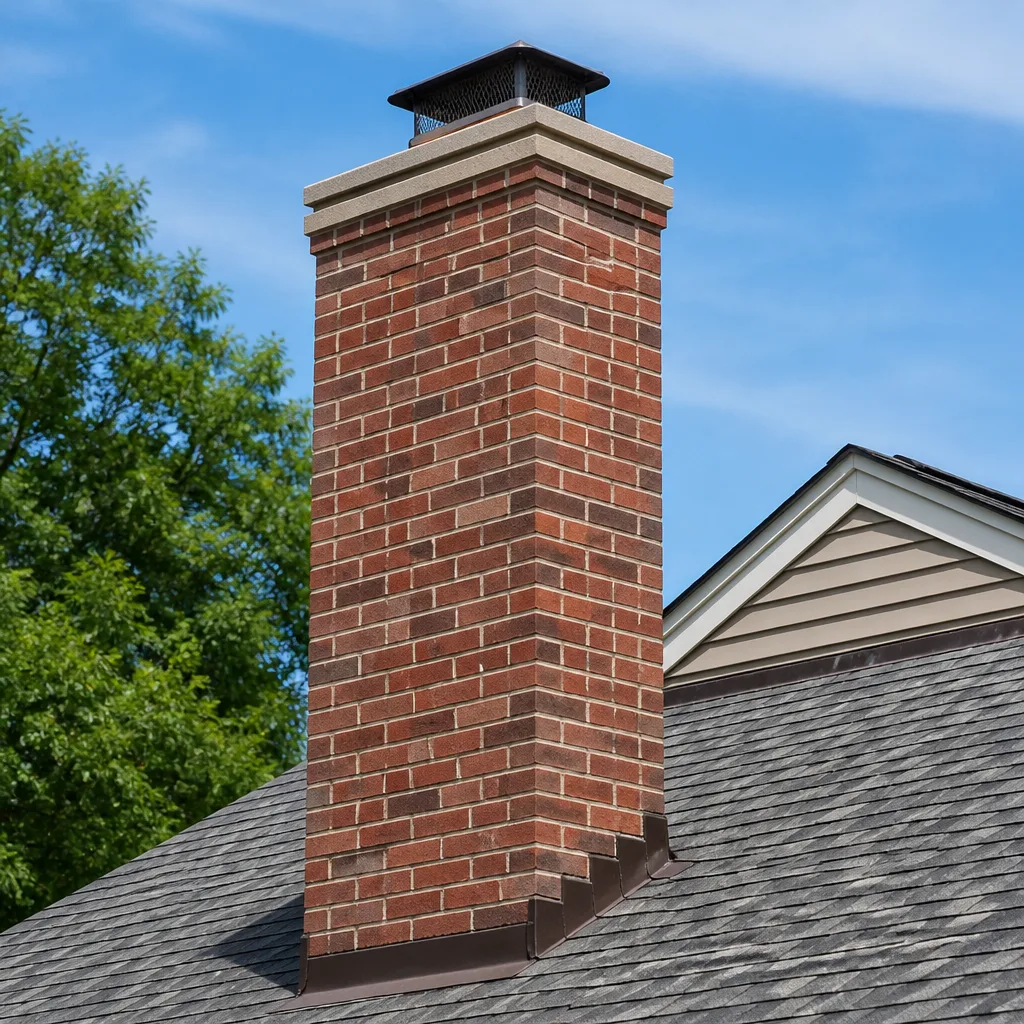
Flashing is the metal that seals the chimney to the roof. Look for lifted edges, gaps, rust, or a tar-patched repair (tar is a temporary fix, not a flashing replacement). Any visible gap is a direct path for water into the framing around the chase.
Interior Warning Signs Inside the Home
Some of the most important warning signs are inside, away from the chimney itself. These are the ones homeowners often explain away, and they’re the ones most worth paying attention to.
- Persistent musty odor near the fireplace, especially in humid weather. A musty smell that doesn’t come from the basement or a bathroom is often coming from the firebox or smoke chamber. It can mean creosote has absorbed moisture or that the chimney is drawing damp air from outside through a failed crown or cap.
- Smoke staining on the breast wall or above the mantel. A faint gray haze on the drywall above the fireplace or on the mantel underside is a sign that smoke has been spilling out of the firebox long enough to leave a mark. This is a draft or smoke chamber problem, not a cosmetic issue.
- A “clank” or metallic rattle when the damper closes. A damper plate that closes with a hollow sound instead of a solid seal, or that won’t close flush, usually has a warped or cracked plate or a broken hinge pin. A damper that doesn’t seal means heat escapes up the flue and the fire is harder to control.
- Water stains, dark rings, or whitish tide marks on the ceiling of the room adjacent to the chase. These mean water is getting into the chase itself, around the flashing or through a failed crown.
- A draft of cold air coming down the chimney when the fireplace is not in use. Not a sign of failure on its own, but combined with musty odor, it points to a missing or damaged cap allowing air and moisture back down.
If you’re seeing interior signs and you haven’t had a professional look at the system recently, that’s the trigger for a call. Our fireplace repair visits often start with these interior symptoms and end with the fix being at the top of the chimney.
Draft Problems: Backdrafting Versus Smoke Spill
Two very different problems look similar from the sofa: smoke in the room. The cause and the fix are completely different, and getting the diagnosis right is the whole game.
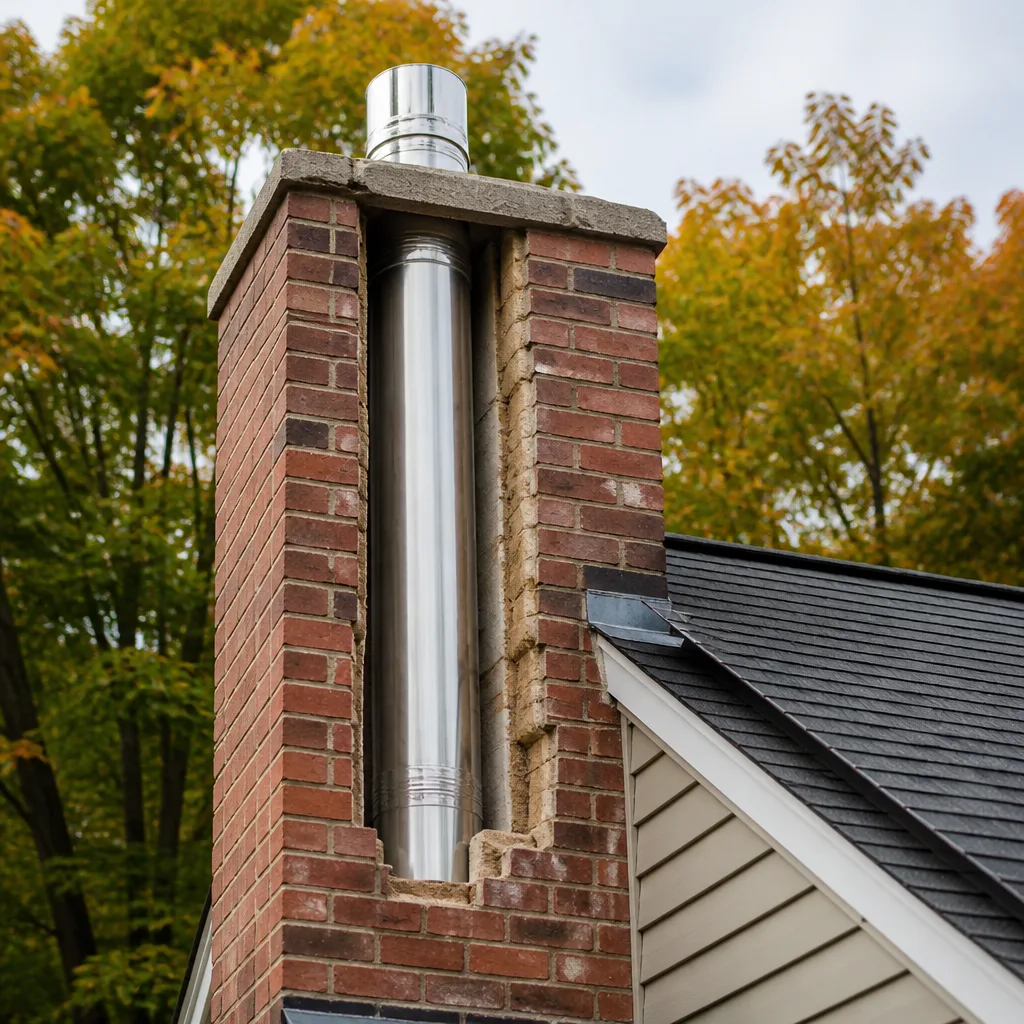
Backdrafting is a pressure problem where outside air is pushing down the flue instead of the chimney pulling air up. The fire burns but the smoke doesn’t leave. Common causes are an oversized flue for the firebox size, a flue that’s too short for the house, a blocked or damaged flue tile, or a negative pressure situation inside the house from exhaust fans. A flue liner sized and fitted to your actual firebox is the standard fix. That’s why we keep DuraFlex flexible liner systems on hand: they’re sized and shaped to the specific flue, including the irregular and offset flues common in older Oak Cliff masonry chimneys, instead of forcing a rigid insert to fit.
Smoke spill is the second problem and it’s the one homeowners most often misdiagnose. The fire starts, the smoke rolls out of the top of the firebox, and then the fire catches and it clears. This is usually a combustion air shortage, not a chimney defect, and it’s most common in tightly sealed modern homes or in homes where a kitchen or bath exhaust fan is running. The fix is often bringing combustion air into the room or cracking a nearby window on startup, not rebuilding the chimney. Ask your provider to test this before they quote anything major.
If you’re not sure which one you have, the diagnostic test is careful observation at cold start, at warm-up, and at steady burn. Our technicians note the difference in the written inspection report we leave with you.
Spalling Brick: Normal Weathering Versus Failure
Not every flaking brick is failing. A brick chimney that’s seen a lot of Oak Cliff summers will show color variation and slight surface texture, and that’s normal. What you’re looking for is the difference between surface weathering and a brick that’s lost its structural face.
Normal weathering looks like a subtle change in tone, slight darkening, and a surface that’s still hard when you press it with a coin. A failing brick looks like:
- Pop-offs, where a coin-sized or larger piece of the brick face has detached and lies on the roof or the ground below
- “Powdering,” where the brick surface crumbles when you rub it with a gloved hand
- Hairline cracks that run vertically through a brick face (not the mortar joint, the brick itself)
- Missing or deeply receded mortar joints next to a brick that’s still intact, meaning the mortar has failed and the brick is taking the load
The timeline from first spall to real structural concern can run months to a few years, depending on the depth of water entry and the number of bricks affected. But the danger isn’t the brick itself; it’s what water is doing behind it inside the flue. Once masonry is open, water can reach the flue liner and the framing behind the chase. That’s when a modest repair becomes a bigger one. If you see active spalling, don’t postpone the inspection.
Common Mistakes to Avoid
- Painting over efflorescence. Paint traps moisture inside the brick and accelerates spalling. Find the entry point, don’t cover the symptom.
- Burning wet wood “because it’s cold outside.” Wet wood is the fastest way to build Stage 2 and Stage 3 creosote. Seasoned firewood matters more than the fire you’re getting tonight.
- Assuming a damper rust is “just age.” Rust means water is reaching the damper from above. Ask what’s allowing that water in.
- Treating a musty smell as a plumbing problem. If the musty odor is strongest at the hearth, the fireplace is the more likely source.
- Skipping the inspection because the sweep was cheap. A sweep that removes soot and leaves without a written report is only doing half the work. Ask for findings, and ask for photos.
- Ignoring the cap because “it’s just a screen.” A missing or damaged cap lets rain and animals into the flue, and both create problems that a new cap would have prevented.
- Replacing a failed liner with a rigid insert in an older, offset flue. Irregular flues need a flexible liner sized and shaped to fit. Cramming a rigid liner into an offset flue creates voids and future draft problems.
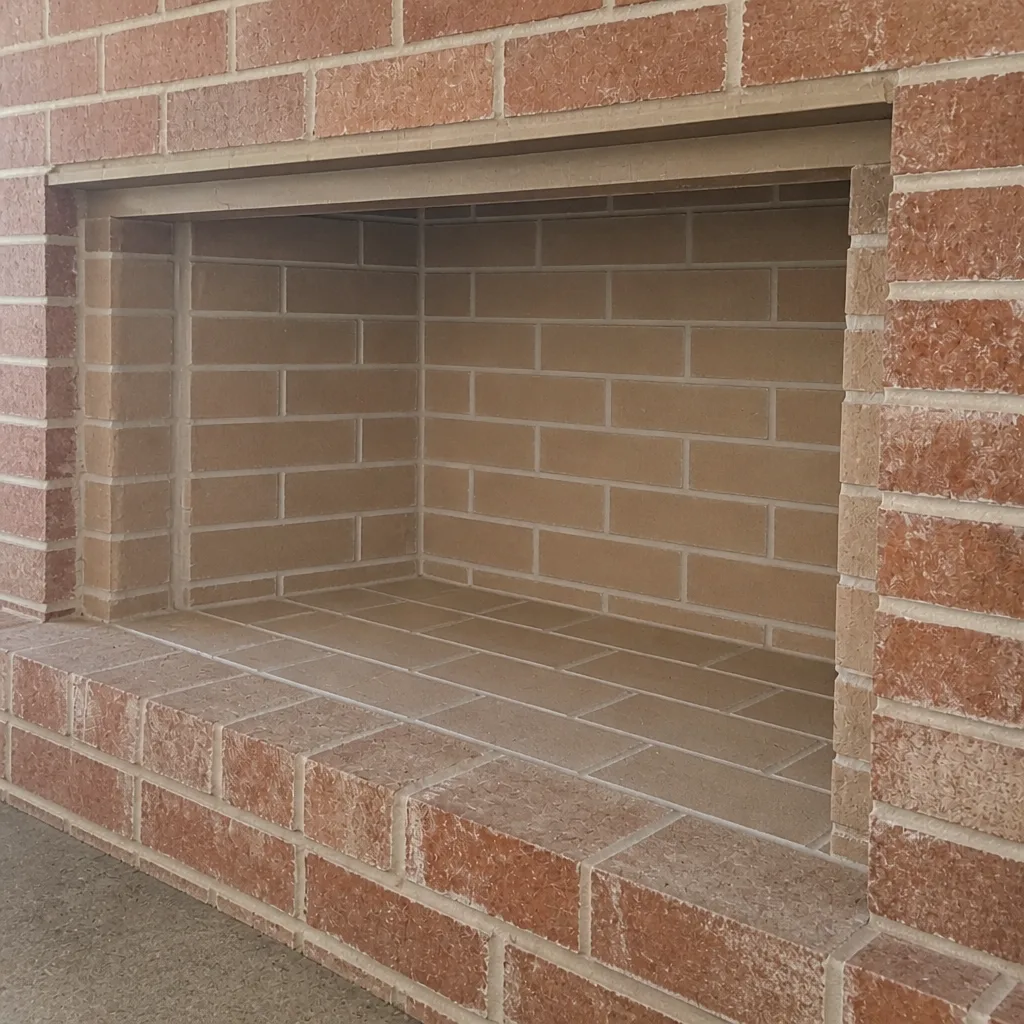
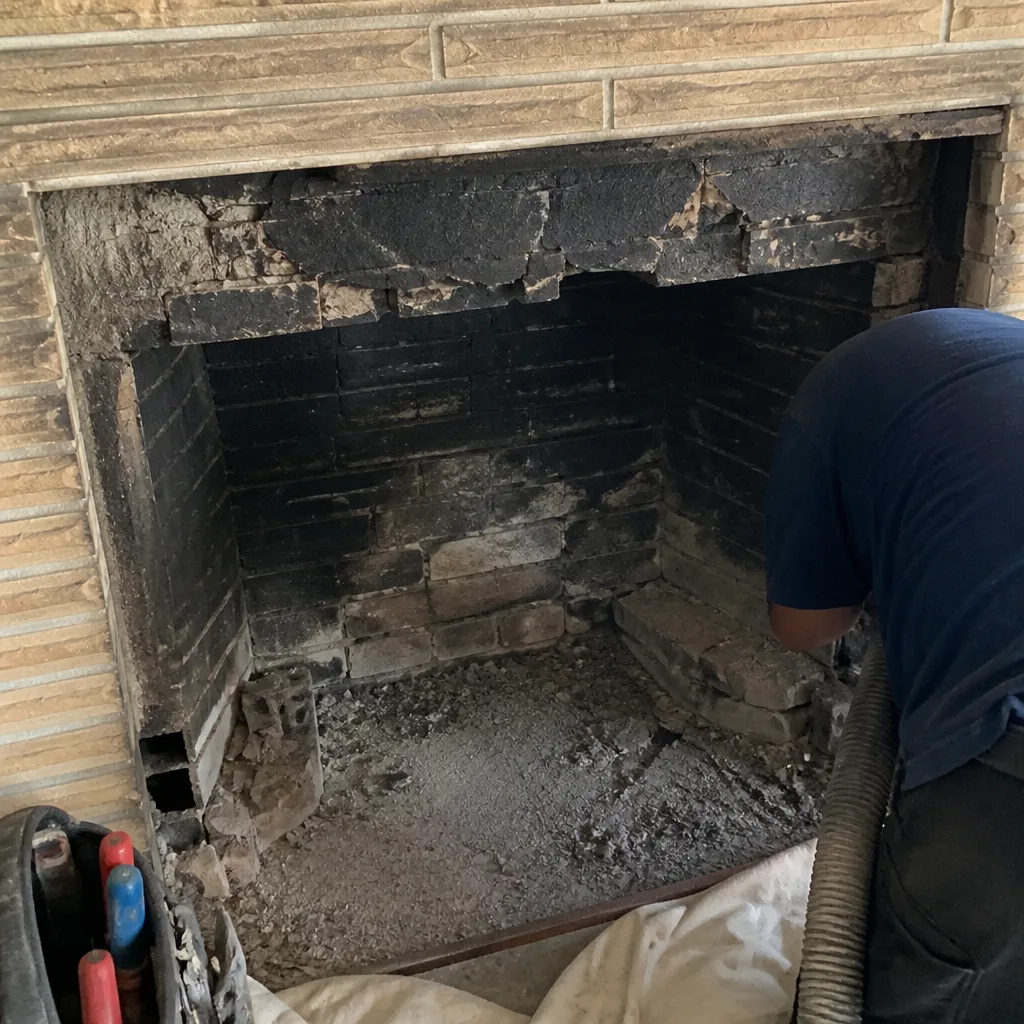
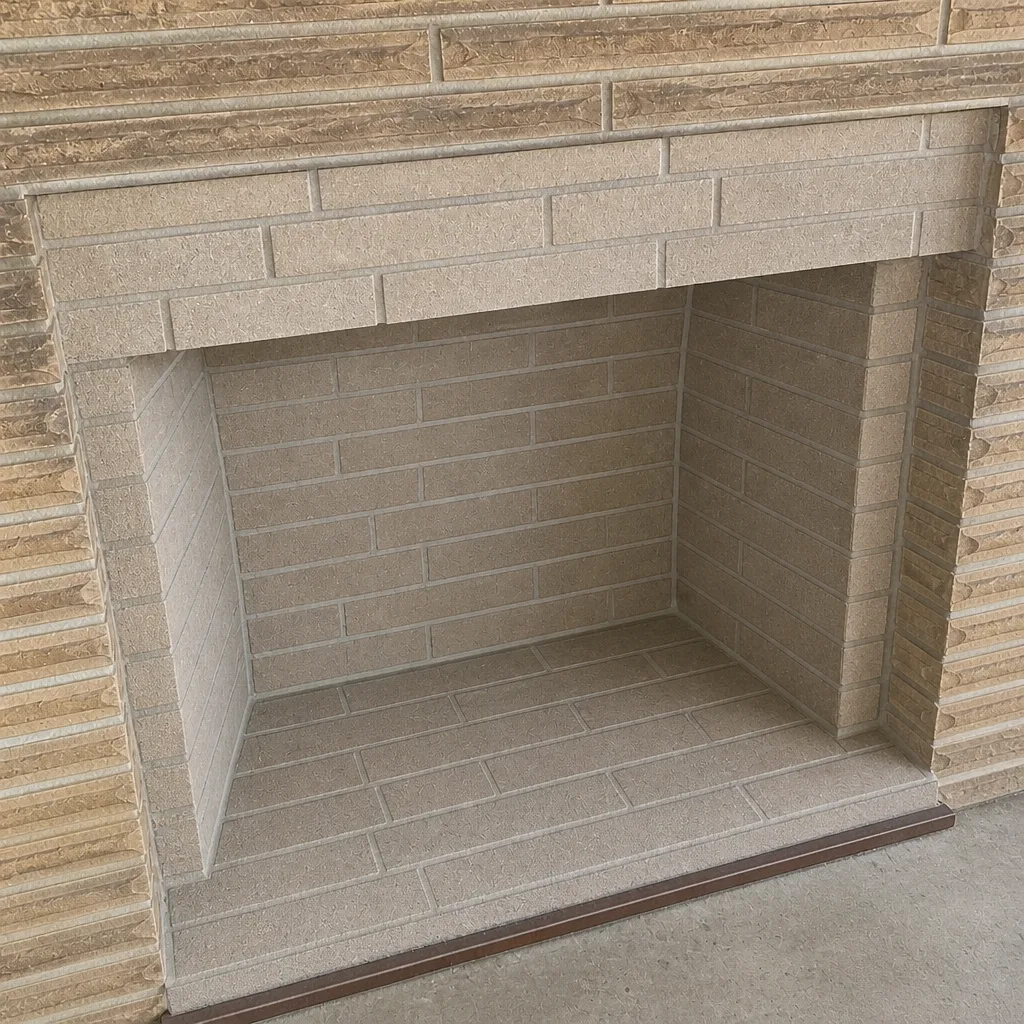
See the difference
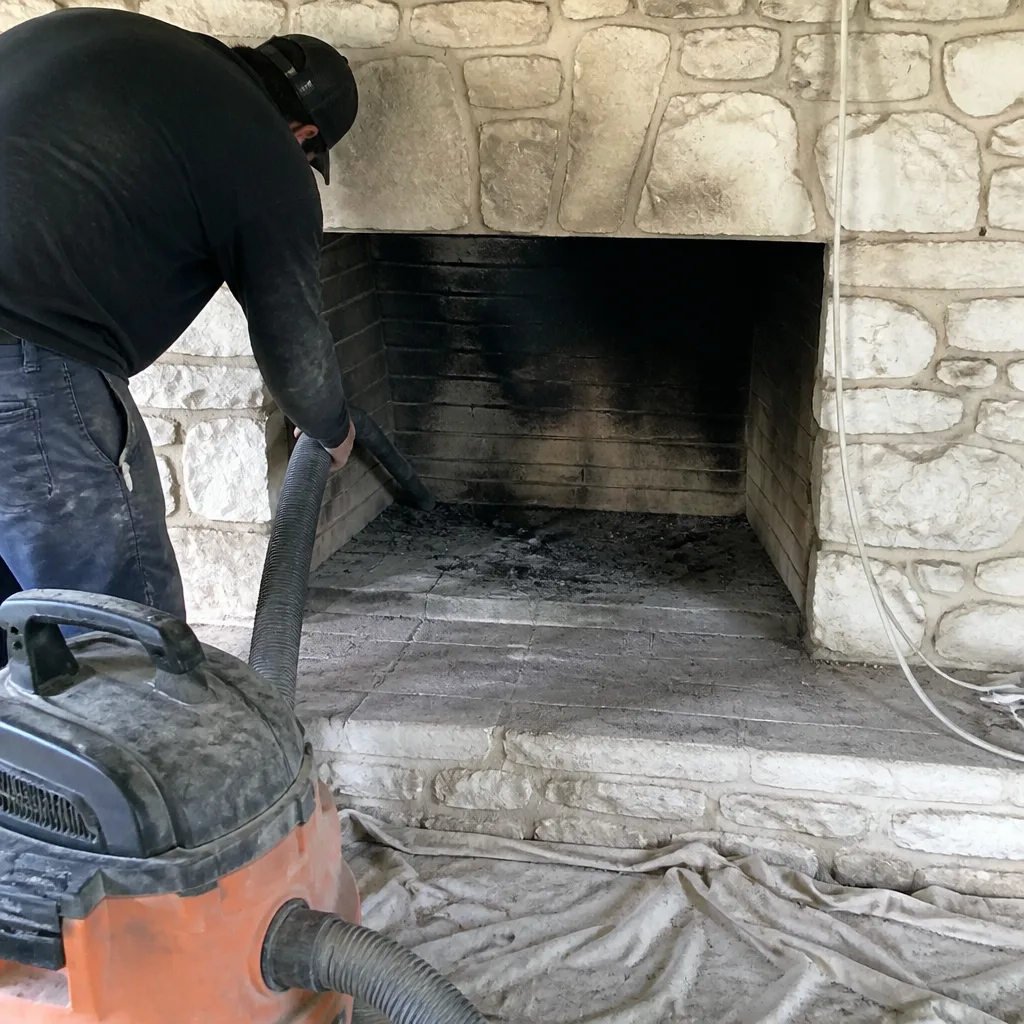 Before
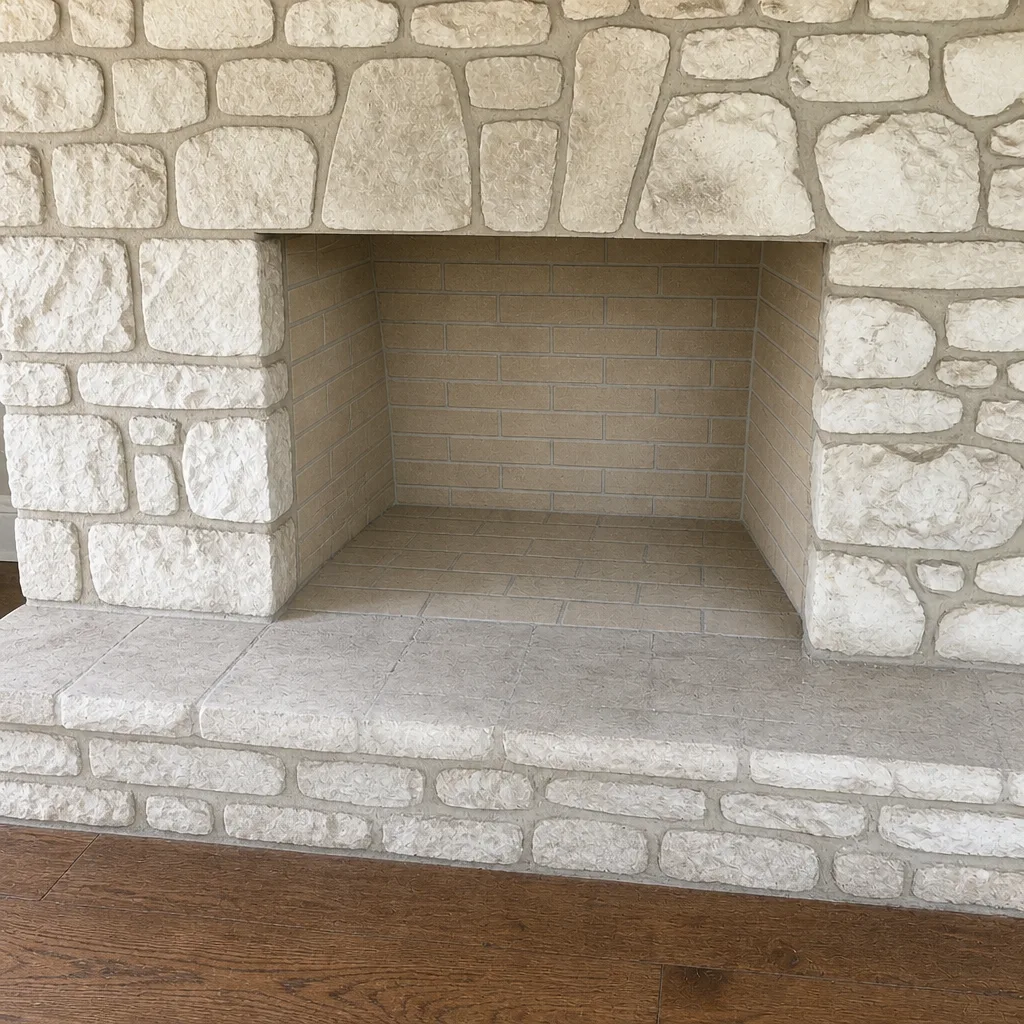 After
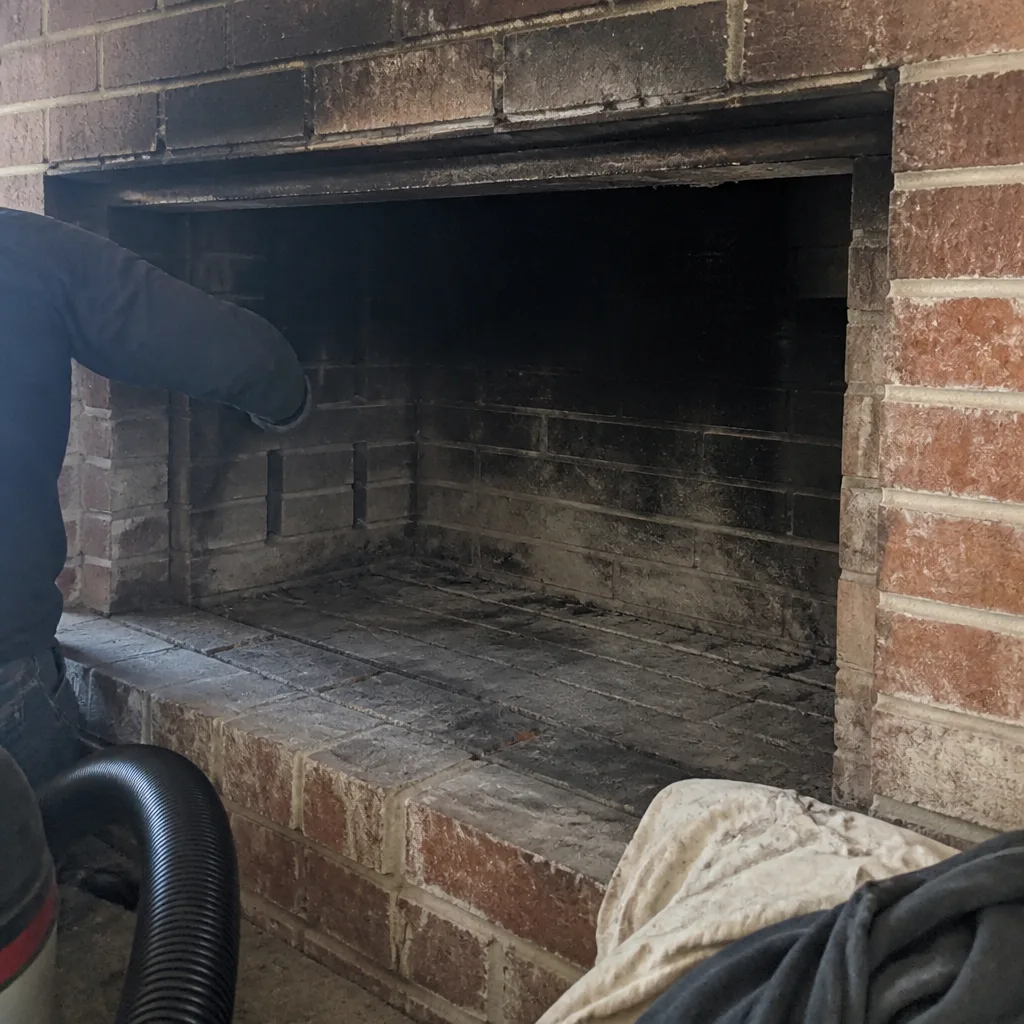 Before
 After
 Before
 After
When to Call a Professional
Call a professional when you see two or more warning signs across different parts of the system, when you notice Stage 2 or Stage 3 creosote, when smoke enters the room even with the damper open, when you see active spalling brick, or when your last sweep was more than a year ago and you burn regularly. Call sooner if you smell a musty odor near the hearth and see a stained ceiling in the room next to the chase. And call before you burn the first fire after any repair you didn’t personally supervise.
Chimney Sweep Oak Cliff offers free estimates in Oak Cliff. Call (888) 847-8540. Our technicians have up to 12 years of experience, we work with an industry-recognized brand stack, and we’ll tell you exactly what we found and what it means before we quote a repair. Some of what we find can safely wait; we’ll say so when that’s the case.
Frequently Asked Questions
You need a cleaning when you see soot or a dark film above the damper, when you find Stage 2 or Stage 3 creosote on the flue walls, when you smell a musty odor at the hearth, or when it’s been a year or more since the last sweep and you burn regularly. A quick flashlight look above the damper is a good first check; if the flue wall looks glazed or crusty, book a sweep.
Stage 1 creosote looks like fine black powder with a light soot film, and it rubs off easily. As it advances, Stage 2 looks like a hard, crunchy, dark crust that clings to the flue wall in patches. Stage 3 looks like dark caramel or tar, feels hard, and can look almost wet on the surface. Stage 3 is the dangerous one and should not be burned until the flue is swept.
Yes. White, powdery staining is efflorescence, and it means water is moving through the masonry and evaporating at the surface. It’s the earliest reliable sign of water intrusion, most often traced to a cracked crown or failed flashing. If it’s showing at the base and not the top, the crack is often visible only from the roof, so an inspection is the right next step.
Backdrafting means smoke doesn’t leave the firebox even with the damper open, and the fire seems to burn poorly. It’s a pressure or flue-sizing problem, not a fire-tending problem. If a fire clears after a rough start and burns fine at steady state, that’s usually smoke spill from a combustion air shortage, not backdrafting. A professional can test the two and tell you which you have.
A cracked or warped damper plate closes with a hollow “clank” instead of a solid seal, and you can usually feel the play when you move the handle. Warped plates don’t seal flush, which means heat escapes up the flue and the fire is harder to control. Have it checked at the same time as the next sweep.
Once a year if you burn wood regularly, and more often if you burn heavily or use unseasoned wood. If you’ve noticed Stage 2 creosote at your last cleaning, or you see glazed deposits above the damper now, get a sweep before your next fire. Our Chimney Sweep Oak Cliff team can schedule a sweep and include a written inspection report with photos of what we found.
The Bottom Line
The chimney warning signs you should act on first are the quiet ones: white efflorescence on the brick, rust on the damper, a dark film above the firebox, a musty smell at the hearth, and a crack in the crown. Those signs appear months to years before the dramatic ones, and they’re usually cheap to address at that stage. The three stages of creosote are your quick read on how urgent a sweep is, and the difference between backdrafting and smoke spill tells you whether the chimney itself is the problem or the room’s air supply. If you’re seeing any of these in your Oak Cliff home, don’t wait for the dramatic version. Call (888) 847-8540 for a free estimate. We answer 24/7. Fast dispatch from 7am to 7pm, Sunday through Friday.
Written by the team at Chimney Sweep Oak Cliff.