
Last updated November 22, 2026
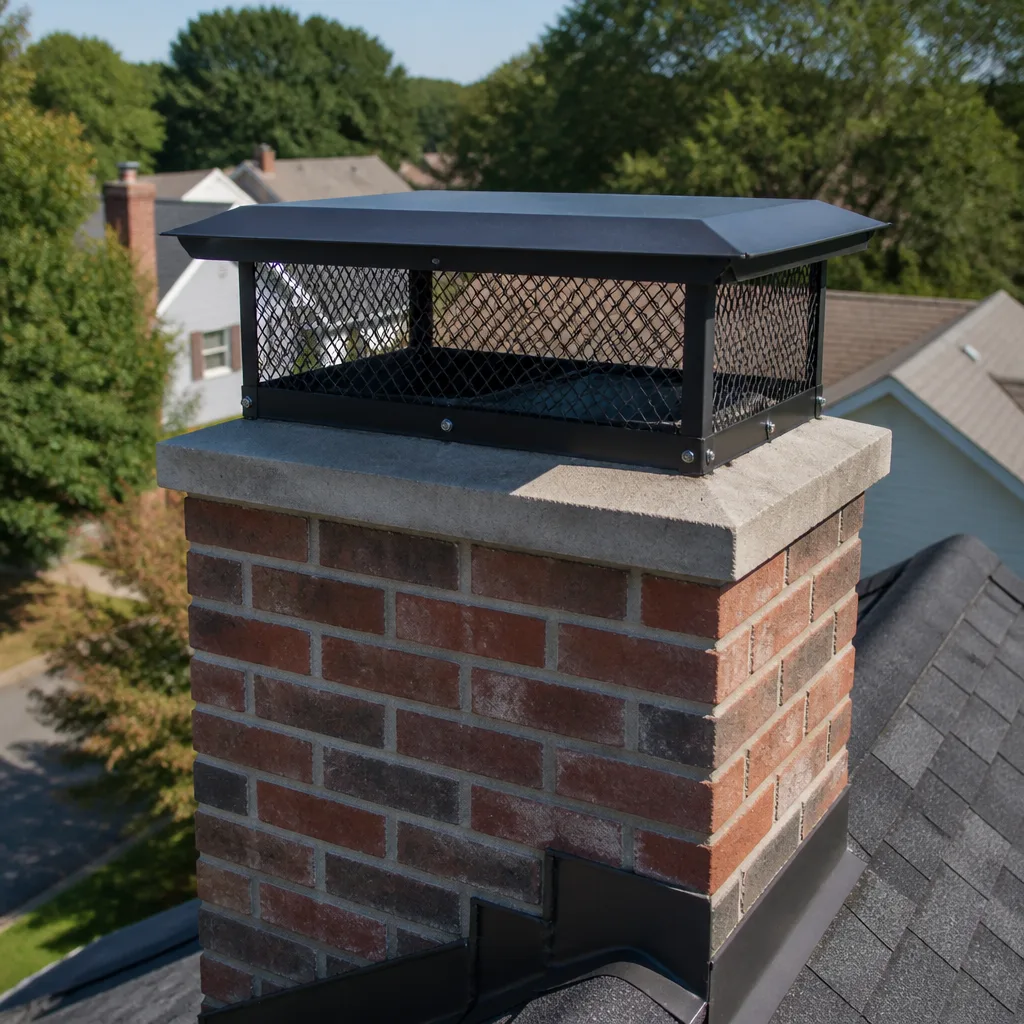 Sweep & inspection
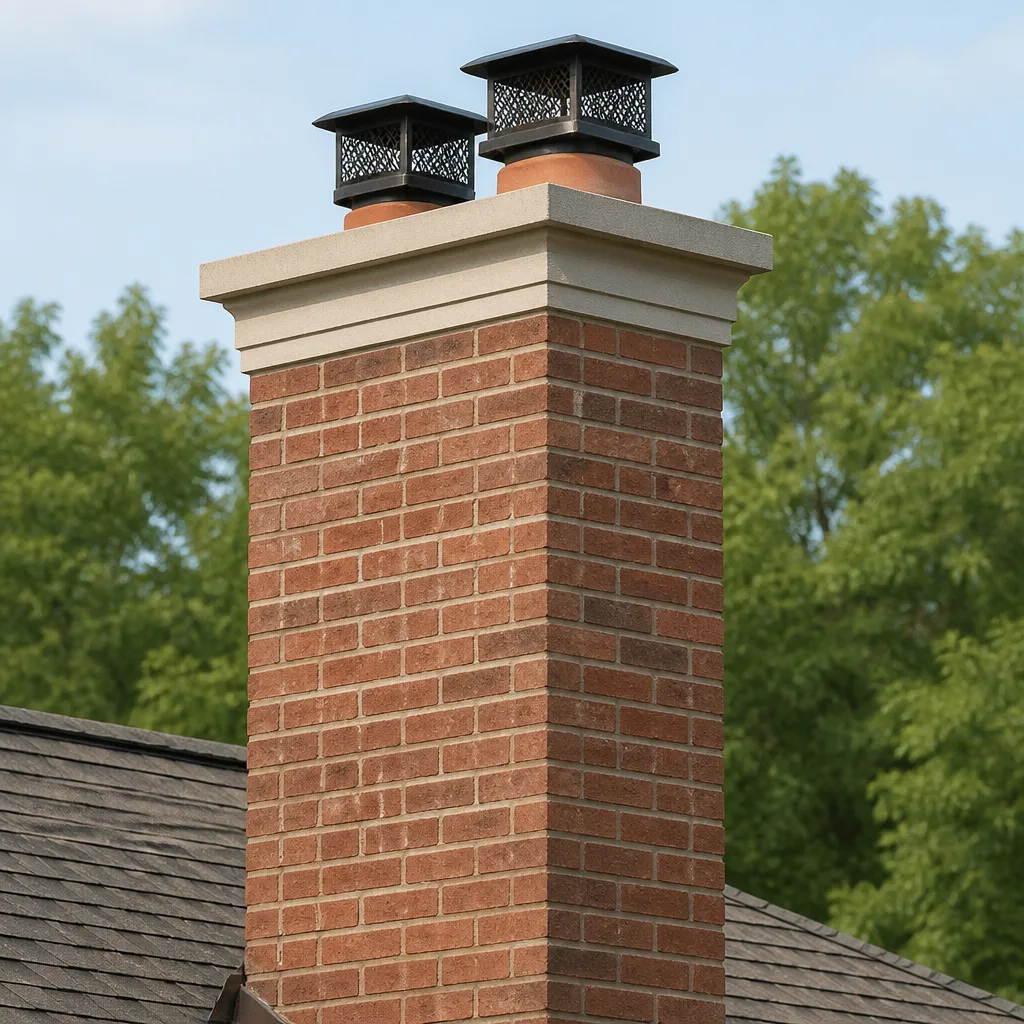 Caps & crowns
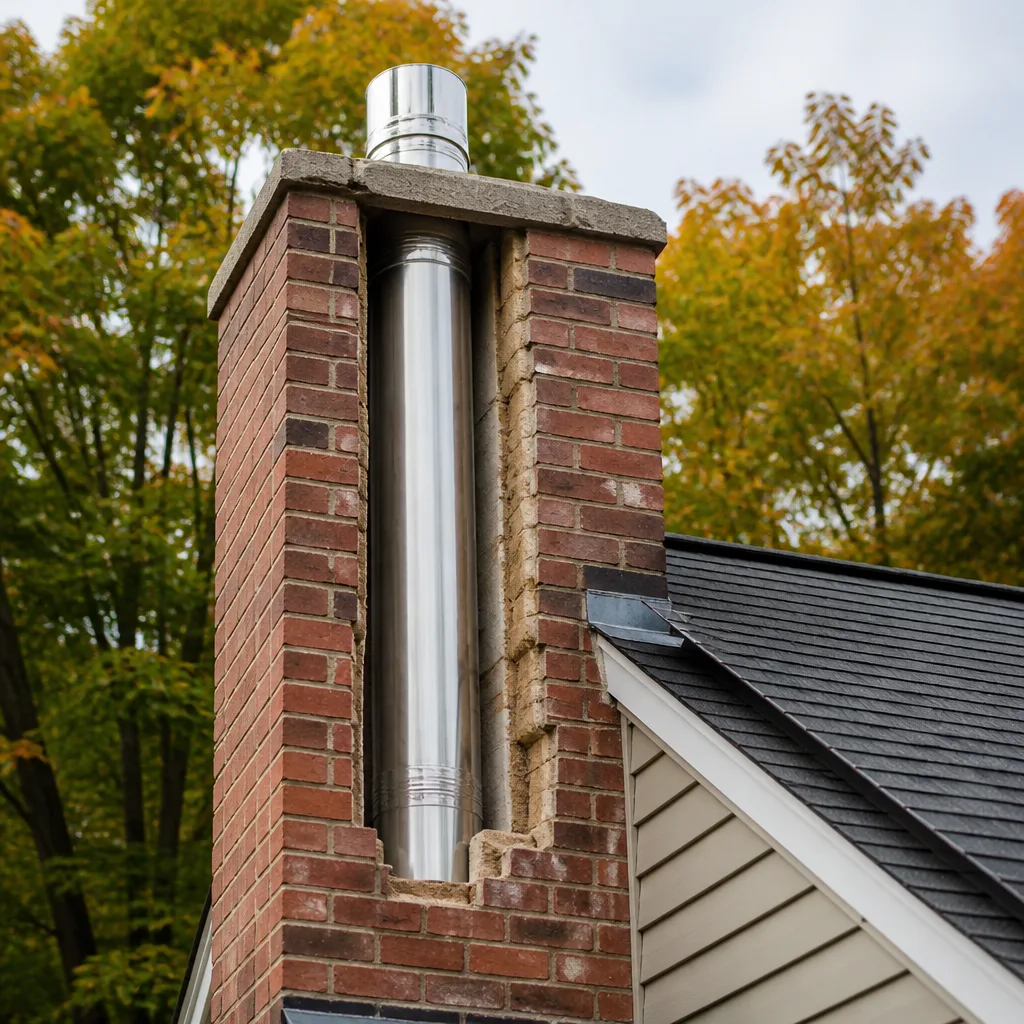 Flue relining
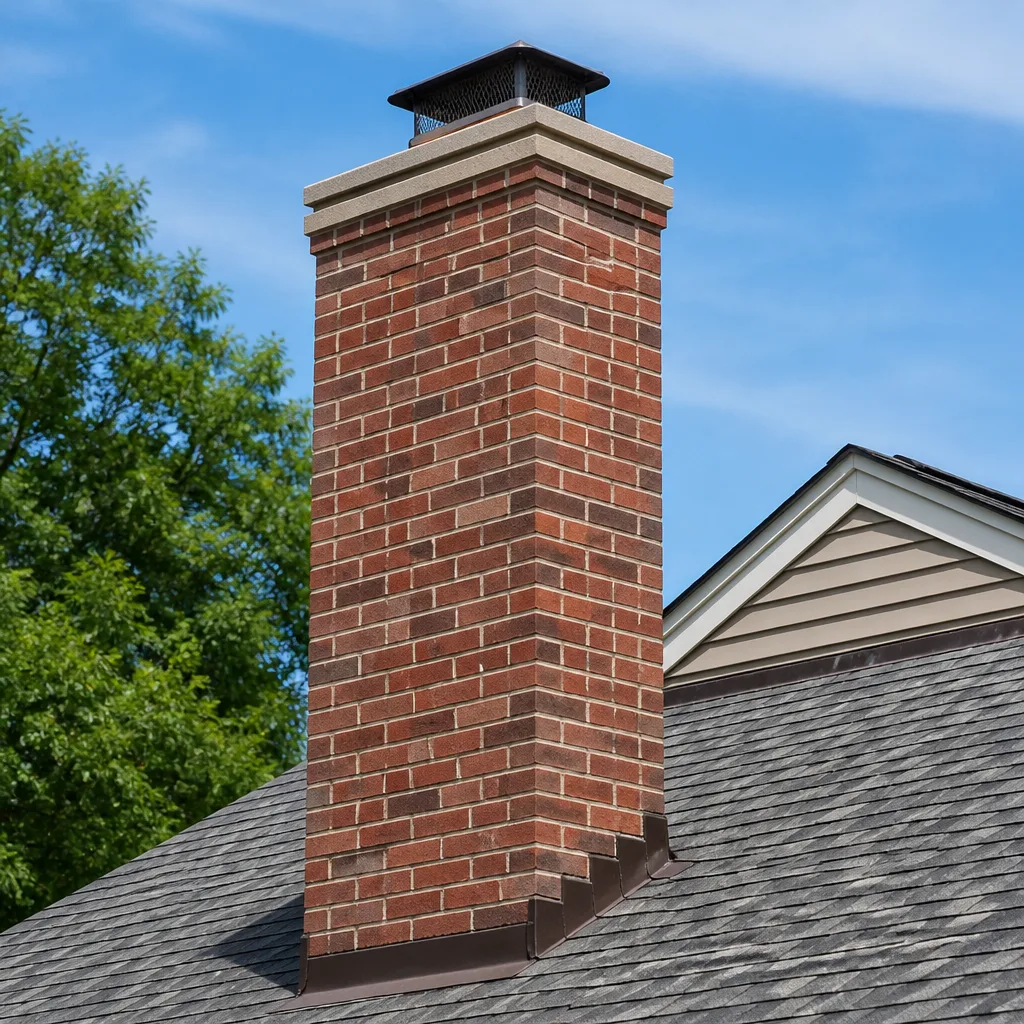 Masonry repair
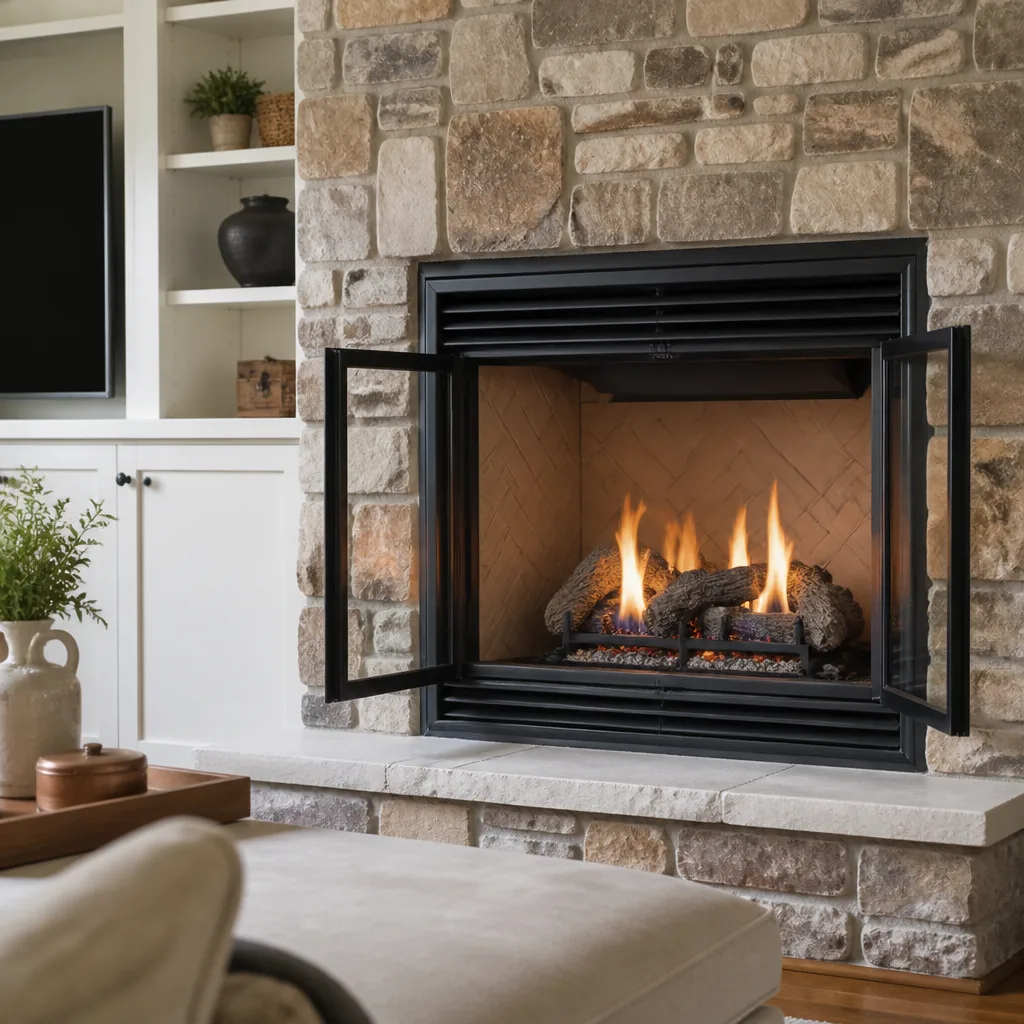 Gas fireplace service
Level 1 sweep and inspection to the NFPA 211 annual standard - flue, crown, cap, and flashing checked and photographed
Chimney sweep logs do not sweep chimneys. They loosen some creosote - which then falls where a brush and vacuum still have to collect it.
The Complete Guide to Chimney Cleaning in Oak Cliff
Most Oak Cliff homes went up between the 1920s and 1960s. That matters more than most homeowners realize, because a lot of the chimneys inside those houses were originally sized and lined for coal or oil heat, not for the wood fires people burn in them now. A flue built for a short, hot coal fire behaves differently once you feed it oak splits every winter, and the creosote that builds up reflects that mismatch. This guide walks through what a real chimney cleaning in Oak Cliff involves, from the crown to the firebox, in the order a trained technician actually works. You’ll learn how North Texas soil and burn patterns affect your chimney, what the three inspection levels mean, and how to tell a diagnostic sweep from a quick brush-and-go.
Quick Answer
A thorough chimney cleaning in Oak Cliff is a diagnostic process, not just a brushing. It combines a top-down sweep with a Level 2 camera inspection of the flue, a check of the mortar and crown, and a written report of what was found and what (if anything) needs repair. How often you need one depends on how much you burn, but most wood-burning households should be swept once a year and inspected at the same time.
Styles & brands we work with
- Sweep & inspection
- Caps & crowns
- Flue relining
- Masonry repair
- Gas fireplace service
Table of Contents
- Why Oak Cliff Chimneys Age Differently
- The Three Levels of NFPA 211 Inspection
- Creosote: The Three Degrees and What Each One Requires
- Terra Cotta Liners vs. Stainless Steel Inserts
- The Tools That Separate a Diagnostic Sweep From a Brush Job
- What a Full Sweep Looks Like, Step by Step
- What Chimney Cleaning Costs in Oak Cliff
- Common Mistakes to Avoid
Why Oak Cliff Chimneys Age Differently
Oak Cliff sits on the same expansive clay soils that run under most of Dallas, and that clay is not a passive neighbor to a masonry chimney. Clay swells when it takes on water and shrinks as it dries, and North Texas swings between wet and dry stretches often enough that the movement becomes a slow cycle. A chimney foundation poured decades ago is subject to that push and pull every year. What you see from the ground is usually the last thing to show the damage; what fails first tends to be the mortar joints up the stack and around the crown, where hairline cracks open, let water in, and widen over a few seasons.
That matters for draft. A chimney is a pressure system, and it pulls air up the flue only when the whole column is tight. Once mortar joints in the smoke chamber or the upper flue start to fail, the chimney draws from the wrong places and smoke can spill back into the room instead of going up. Homeowners often read that as “the fire is smoky today” or “the wood is wet.” Sometimes it’s the wood. Often it’s a compromised flue that hasn’t been inspected recently.
The other Oak Cliff-specific variable is the burn season itself. Our winters are mild enough that many households burn intermittently: a fire on a cool night, a few days off, then a fire again. Short, hot, frequent burns build creosote differently than a steady all-winter burn, and cool-down cycles between fires let that creosote glaze onto the flue walls. The result is that an Oak Cliff chimney can accumulate a meaningful layer of creosote on fewer cords of wood than a homeowner in a colder climate would expect. You can read more about our core service approach on the Chimney Sweep Oak Cliff page.
The Three Levels of NFPA 211 Inspection
NFPA 211, the standard that governs chimneys and vents, defines three levels of inspection. They are not interchangeable, and knowing which one you’re getting is the difference between a real diagnostic and a glance with a flashlight.
- Level 1: A visual check of readily accessible portions of the chimney and connected appliance, without tools that could damage the structure. A Level 1 is what you’d expect during a routine annual sweep on a chimney with no known problems and no recent changes.
- Level 2: Everything in a Level 1, plus access to concealed areas of the chimney and flue using inspection cameras and other tools. A Level 2 is required after a change in the system (a new appliance, a fuel change), after an event that could have damaged the chimney, or on a property being sold or bought.
- Level 3: A Level 2 plus removal of parts of the chimney or building to access concealed areas. Level 3 is rare and is used when a serious hazard is suspected and can’t be assessed any other way.
Two situations push most Oak Cliff homeowners to a Level 2 rather than a Level 1. The first is an ice storm or a hard freeze that cracks masonry or knocks a cap loose; even without obvious damage, that is an event worth inspecting at Level 2. The second is buying an older Oak Cliff bungalow. You don’t know what the previous owner did or didn’t do to the flue, and a Level 2 with a camera gives you a written record of the actual condition. If you’re actively in that process, a chimney sweep paired with a Level 2 inspection is the right starting point.
What a written inspection report should include
A real report tells you what was found, what it means, and what can safely wait. It names the specific defect (cracked mortar joint at a specific height, a crown separation, a missing cap screen), describes the flue’s condition, and separates “must address before the next fire” from “monitor and plan.” If a report tells you the liner needs thousands of dollars of work but doesn’t show you the camera evidence, ask to see it. Nothing should be recommended that you can’t verify with your own eyes.
Creosote: The Three Degrees and What Each One Requires
Creosote is the residue of incomplete combustion, and it’s the main thing a sweep is trying to remove. It comes in three forms, each with a different removal method. Recognizing which one is present is what determines how a sweep is done.
- First degree: Soot and light, flaky creosote that brushes off easily. A standard polypropylene brush handles this in a routine sweep. Most annual cleanings on a well-managed fire are in this territory.
- Second degree: A dense, crusty layer, sometimes with visible flaking, that resists a plain brush. A rotary cleaning system with the right head is usually needed to abrade it off the flue wall without damaging the liner.
- Third degree: A glazed, hard, tar-like coating that has essentially baked onto the flue. This is the form that fuels chimney fires, and it can’t be brushed off. Chemical treatment plus rotary work over a longer appointment is the usual path, and the technician should tell you plainly that it will take more than one visit.
In our experience, Oak Cliff’s intermittent winter burns push some households past first-degree creosote faster than they expect, especially where the wood is not well seasoned. That’s not a scare tactic; it’s a reason to have the flue checked at the start of the season rather than the end. If the chimney has a cap that’s been missing or damaged, rain and animal intrusion can lay down an additional layer the brush has to work through. Caps sourced from Gelco and Famco are the commercial-grade answer if you’re missing one, and we cover that in detail on our chimney cap & crown page.
Terra Cotta Liners vs. Stainless Steel Inserts
Original clay terra cotta tile liners are what you’ll find in most pre-1970 Oak Cliff homes, and they need a different assessment than a newer stainless steel insert. Terra cotta is strong in compression but brittle in shear. When the clay soil under the chimney moves, or when a fire runs hot, the mortar that joins the tiles can spall and open up. A split or offset tile joint is a path for heat and carbon monoxide to reach the surrounding masonry and the framing. It’s also invisible from the firebox without a camera.
Assessment for terra cotta involves looking at joint integrity along the full run of the flue, not just the first few feet above the damper. A tile that’s cracked but not displaced reads very differently from one that’s shifted at a joint. That distinction is what separates “monitor it” from “line it.” For a compromised but not collapsed liner, HeatShield ceramic resurfacing can restore the flue without a full teardown, which is a repair path most local competitors can’t offer because they haven’t invested in the material or the training. It’s a specialist option, and it’s worth asking about specifically if you’re being told a rebuild is the only answer.
Newer stainless steel inserts are a different story. A stainless liner is a single continuous flue, and the main things to check are the top termination, the connection at the appliance, and the insulation around the liner. If a stainless system is properly installed and capped, annual inspection is mostly about verifying the terminations and clearing soot. If it was installed by someone else and you don’t have records, a Level 2 with a camera confirms the install was done to spec.
The Tools That Separate a Diagnostic Sweep From a Brush Job
The word “sweep” covers a lot of ground, and the gap between a real diagnostic cleaning and a surface-only brush pass shows up in the tool kit. A technician who intends to find problems carries the equipment to find them.
- Rotary cleaning system: A motorized whip or chain head that abrades second-degree creosote off the flue wall at controlled speed. This is the difference between a flue that looks clean and one that’s actually clean.
- Inspection camera: A flexible camera run down the full length of the flue to see joint conditions, offsets, cracks, and blockages a brush can’t reveal. A camera report is what makes a Level 2 inspection a Level 2.
- Draft gauge and smoke test: Instruments that verify the chimney is actually pulling correctly, not just clear of creosote. A flue can be clean and still draft poorly if the pressure balance is off.
- Drop cloths, HEPA vacuum, and containment: The setup that keeps soot out of the living space. This is not optional equipment; it’s how a professional sweep keeps your Oak Cliff home clean.
- Brushes matched to the flue: Polypropylene for clay and stainless, sized to the exact flue dimensions. A brush that’s too small doesn’t clean; one that’s too large can chip flue tile.
- Liner and cap materials on hand: DuraFlex flexible liner systems, HeatShield resurfacing, and Famco and Copperfield components let a technician specify the right repair on the same visit instead of ordering parts and coming back in three weeks.
If a technician shows up with a hand brush and a shop vac and is gone in twenty minutes, that’s a surface clean, not a diagnostic sweep. The tools tell you what kind of appointment you’re getting.
What a Full Sweep Looks Like, Step by Step
Here’s the sequence a professional chimney cleaning in Oak Cliff should follow, from arrival to written report. Knowing the order helps you see whether a sweep is being done thoroughly or shortcut.
- Protect the living space. Drop cloths go down around the hearth, the fireplace opening is sealed with a containment sheet, and a HEPA vacuum runs throughout to catch airborne soot.
- Inspect the firebox and smoke chamber. Before sweeping, the technician checks the damper, the firebox masonry, and the smoke chamber for damage, so the sweep doesn’t make an existing crack worse.
- Sweep from the top down. The technician works from the roof with a properly sized brush on rods, sweeping the flue walls on the way down. This is the standard approach because it puts gravity on the technician’s side.
- Run a camera down the flue. A full-length inspection camera records joint conditions, offsets, cracks, and any blockage. This is what turns a sweep into a diagnostic.
- Clean the firebox and smoke shelf. Ash and soot are removed from the firebox floor and the smoke shelf, then the vacuum cleans up the residue.
- Check the crown and cap. The top of the chimney is inspected for crown cracks, cap security, and screen condition. If the cap is missing, damaged, or under-spec, that’s noted and a replacement spec’d.
- Verify draft. A draft gauge and smoke test confirm the chimney is pulling correctly after the cleaning.
- Write the report. The technician walks you through what was found, what it means, what should be addressed before the next fire, and what can safely wait.
That last step is where a real sweep earns its keep. Findings from the camera should be shown to you, not summarized over the phone later. If a repair is being recommended, you should see the evidence for it.
What Chimney Cleaning Costs in Oak Cliff
A standard chimney cleaning for a wood-burning fireplace typically falls in the $150 to $275 range in the Oak Cliff market, and a Level 2 inspection with camera typically runs $200 to $350, often combined with the sweep. Those are estimates for orientation, not a quote; the written estimate you get from the technician sets the final price. Repairs are priced separately, and nothing should be recommended without camera evidence you can see.
- Standard sweep, wood-burning fireplace: typically $150 to $275
- Level 2 inspection with camera (often combined with sweep): typically $200 to $350
- Rotary cleaning for second-degree creosote: typically $250 to $450, depending on flue length and condition
- Chemical treatment for third-degree creosote: priced per job and may take more than one visit; the written estimate covers the full scope
- Chimney cap replacement (Famco or Gelco): typically $175 to $400, depending on size and custom fit
- HeatShield ceramic resurfacing for a compromised liner: priced per flue after camera inspection; a level below full relining in cost in many cases
Prices depend on the flue’s condition, the height of the stack, whether a repair is needed, and whether the appliance is wood, gas, or oil. A gas insert cleaning is a different job than a wood-burning fireplace sweep. If you’re being told the liner needs to be replaced, ask to see the camera footage and ask whether HeatShield resurfacing or a DuraFlex flexible liner would solve the same problem. A DuraFlex liner is sized and shaped to your specific flue rather than forced to fit, which often makes it the right answer for older or irregular Oak Cliff chimneys. Call (888) 847-8540 for a free estimate.
Common Mistakes to Avoid
- Treating the sweep as a once-and-done event. A sweep is one appointment; the inspection and the written findings are what keep the chimney safe between visits. Ask for both in the same visit.
- Skipping the camera inspection on an older Oak Cliff home. A brush can’t see a split tile joint. If you’re in a pre-1970 house, a Level 2 inspection is worth the extra cost, especially before your first winter of use.
- Assuming a clean flue means a safe flue. A flue can be clear of soot and still have a crown crack, a missing cap screen, or a failing smoke chamber. The cleaning and the inspection check different things.
- Ignoring a cracked crown. A crack in the crown is the path water takes into the masonry, and water is what drives mortar failure through a clay-heavy winter. A crown repair is cheaper than a rebuild.
- Burning unseasoned wood to save a few dollars. Wet wood burns cool and smolders, which is exactly how second and third-degree creosote forms. Seasoned hardwood is cheaper in the long run than a chemical glazed-creosote treatment.
- Hiring a generalist for a chimney repair. A handyman who sweeps chimneys on the side is not set up for a liner restoration or a structural chimney repair. Ask what brands and materials the company stocks and what the technician is trained to install.
- Skipping a sweep because the fireplace wasn’t used much. Intermittent burns can glaze creosote faster in an Oak Cliff chimney than a cold-climate household would expect. A light-use year is still a year of residue.
If you’re having a fireplace problem you can’t track down, our fireplace repair page covers the common failure points in a firebox and damper.
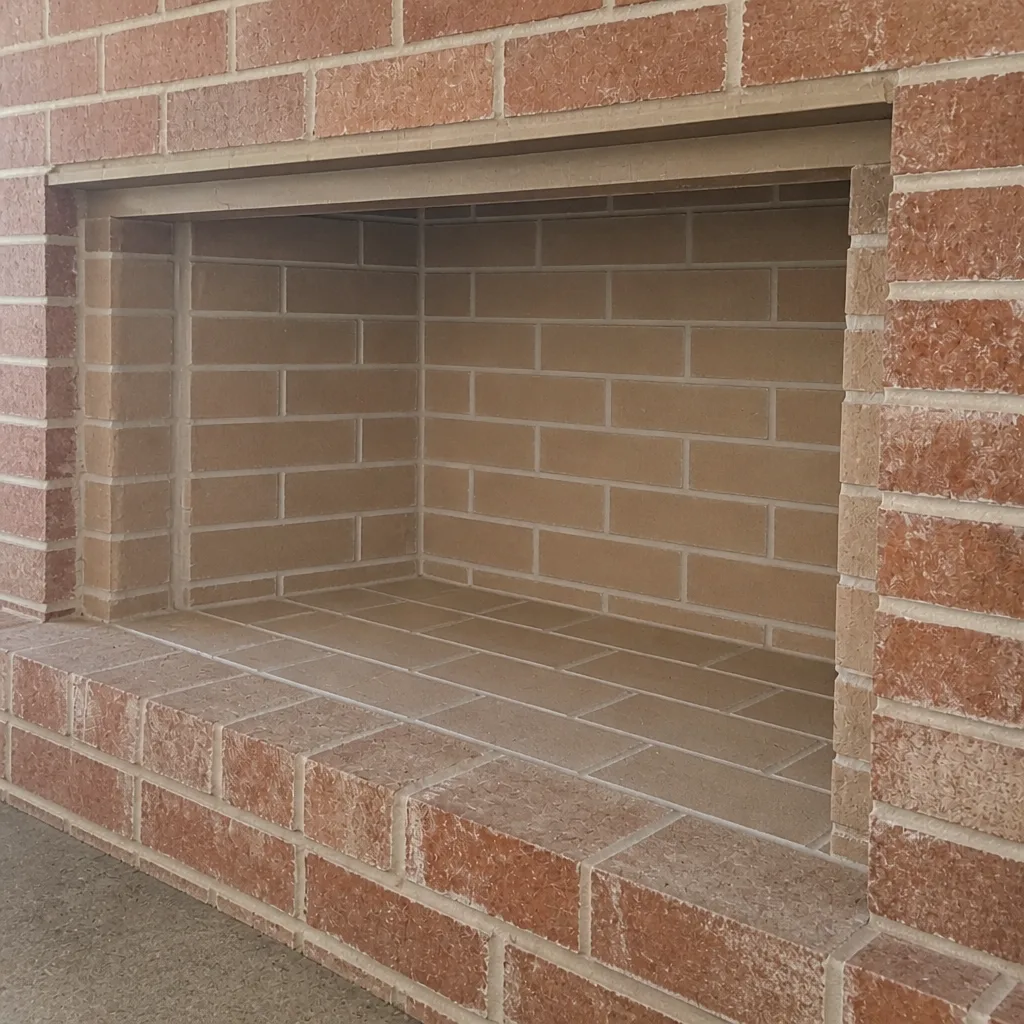
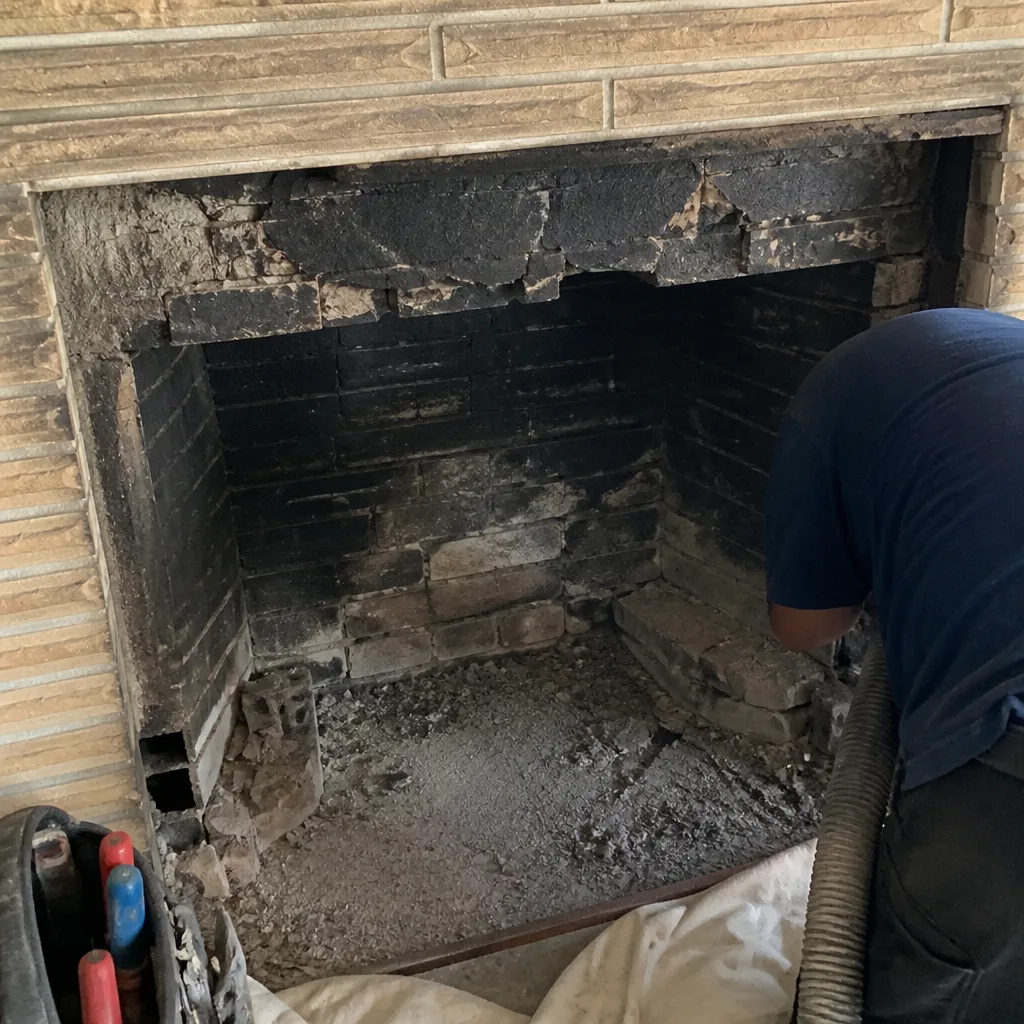
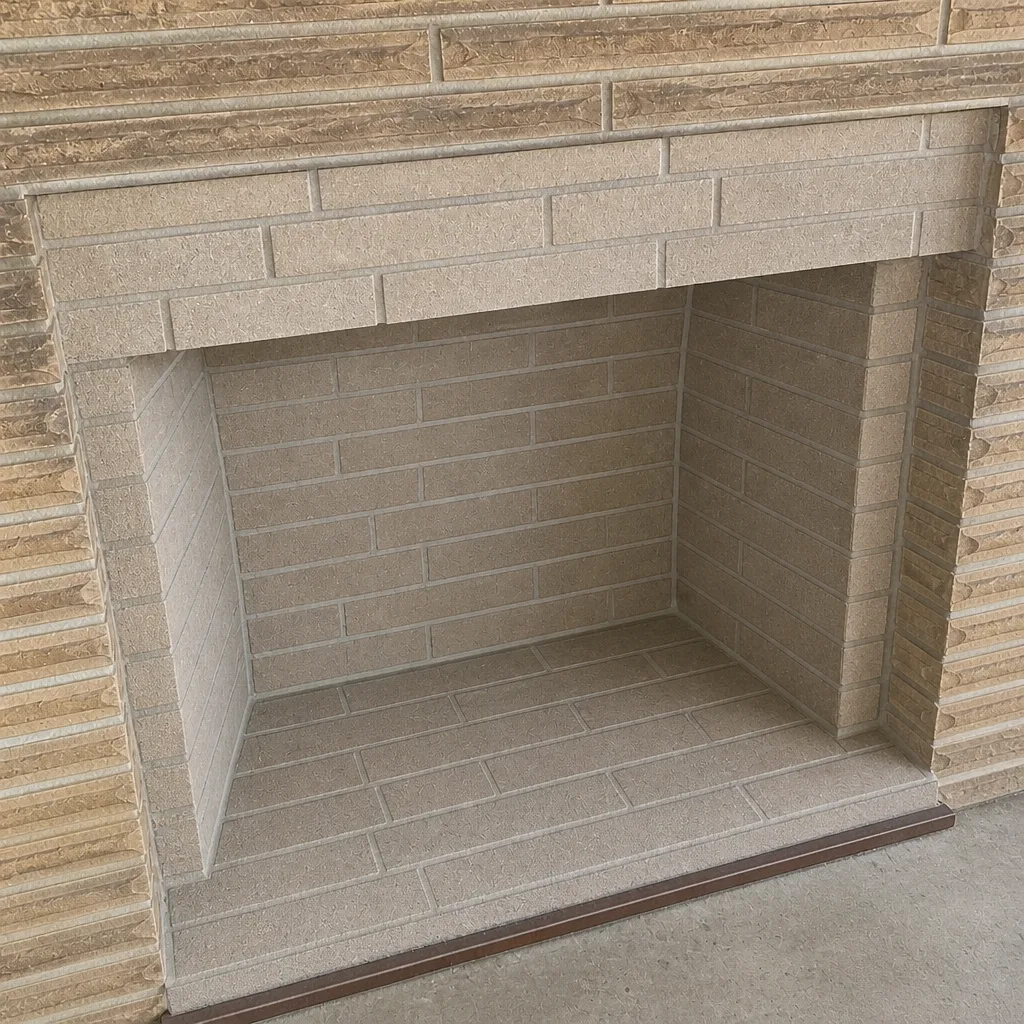
See the difference
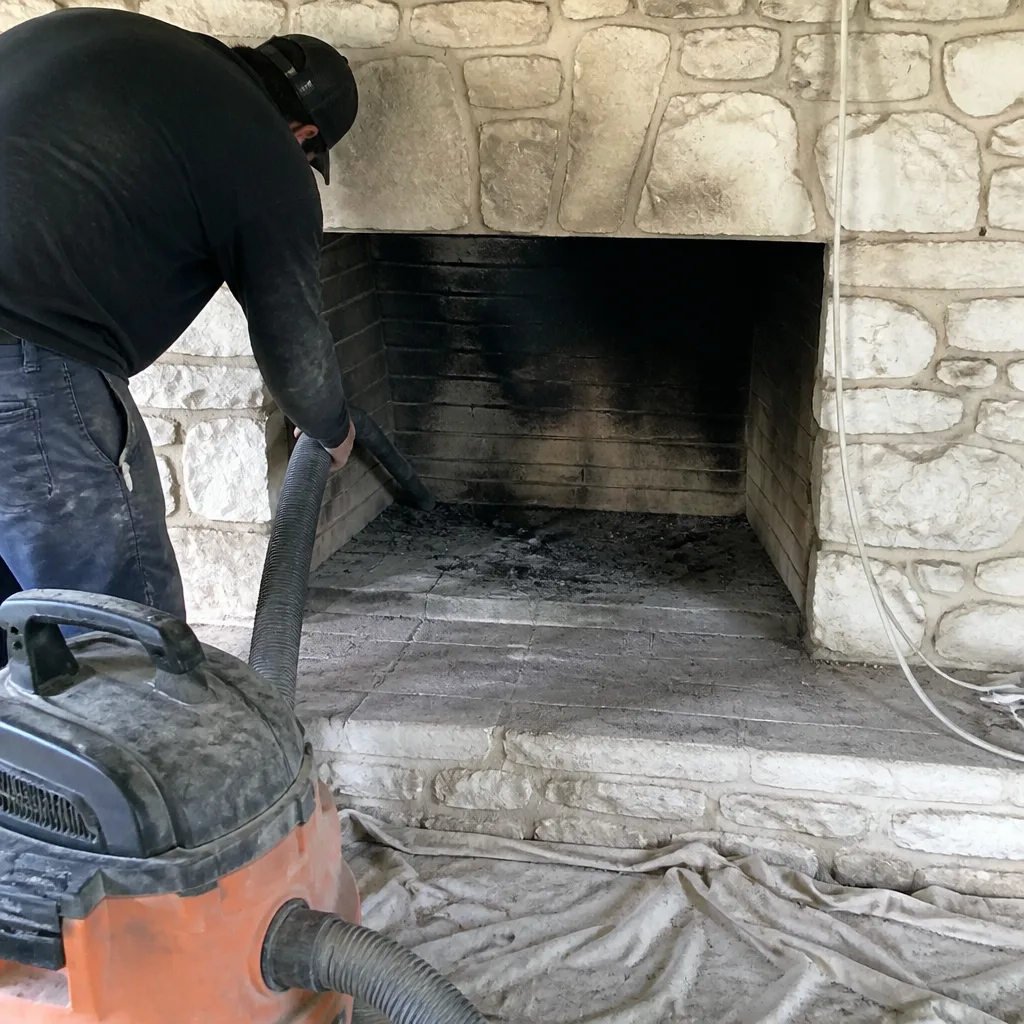 Before
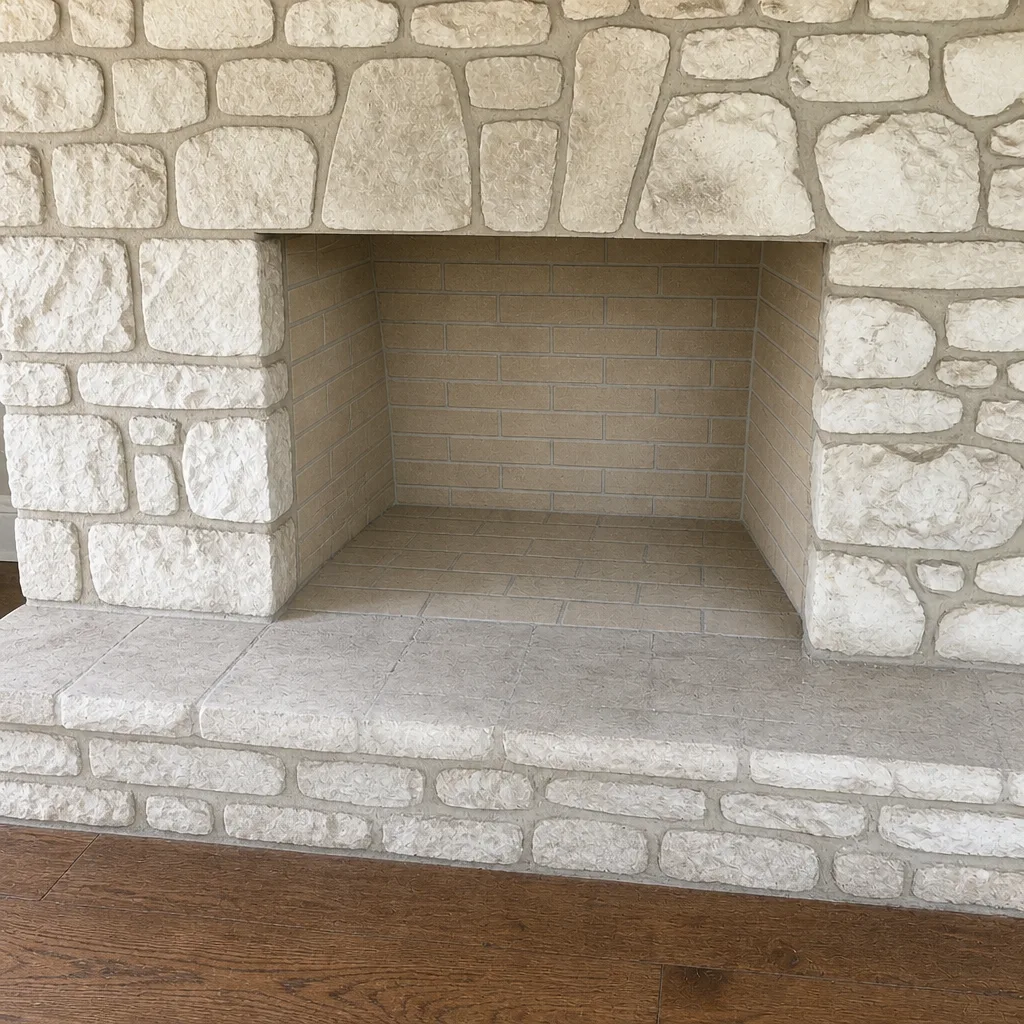 After
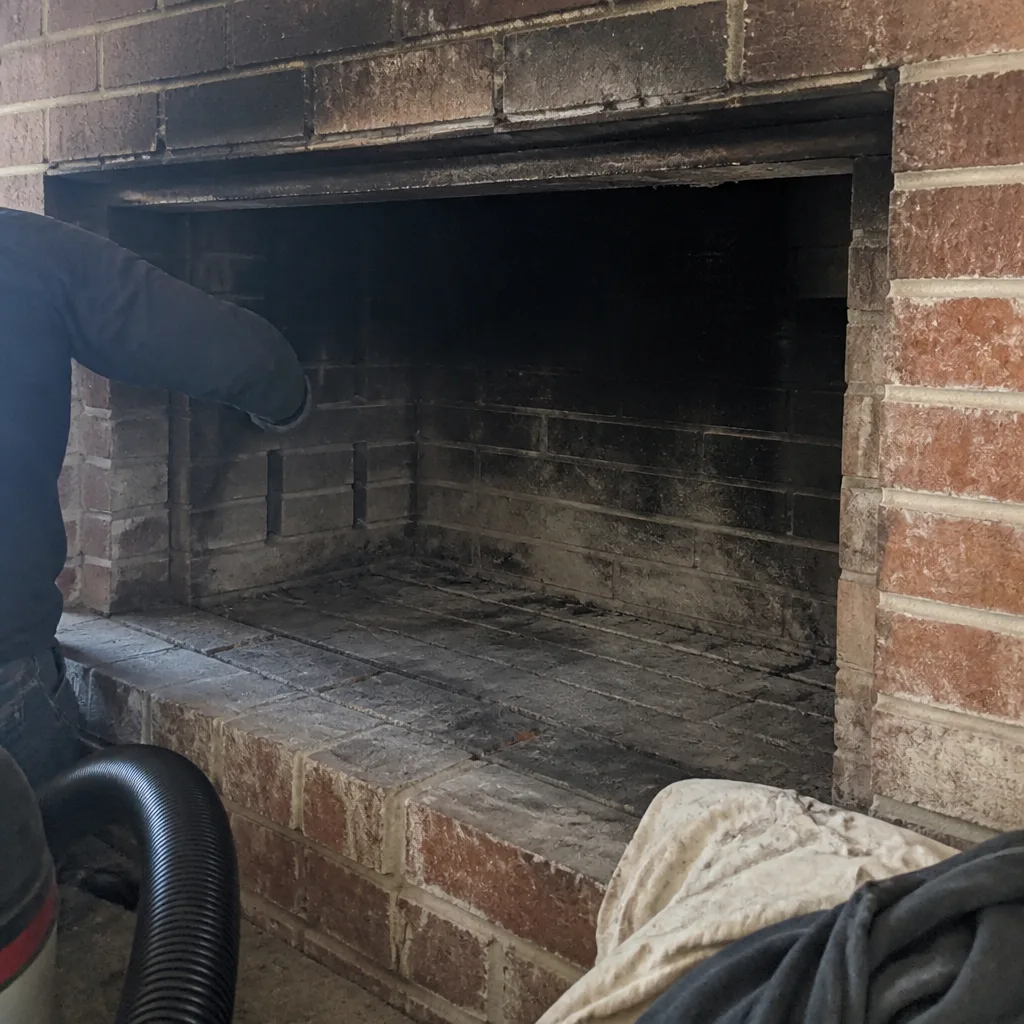 Before
 After
 Before
 After
When to Call a Professional
Call a professional if you have any of these signals: smoke spilling into the room when the damper is open, soot staining around the firebox or the hearth, a strong creosote or tar smell that doesn’t clear, visible cracks in the masonry or crown from the exterior, a missing or damaged cap, or a chimney that hasn’t been inspected in more than a year on a house you’ve recently bought. Also call if you’ve had a chimney fire, even a small one; the damage isn’t always visible from the firebox. And if you have a gas appliance venting into the chimney, a carbon monoxide detector in the room is not a substitute for an inspection by a trained professional. Chimney Sweep Oak Cliff offers free estimates in Oak Cliff, call (888) 847-8540. We answer 24/7. Fast dispatch, 7am-7pm, Sunday through Friday.
Frequently Asked Questions
A standard chimney cleaning in Oak Cliff typically costs $150 to $275, and a Level 2 inspection with camera typically runs $200 to $350, often bundled with the sweep. The written estimate sets the final price, and repairs like a liner restoration or a cap replacement are priced separately. Call (888) 847-8540 for an exact quote, estimates are free.
Once a year for a wood-burning fireplace is the general rule, and it should always be paired with an inspection. Oak Cliff’s mild winters and intermittent burn pattern can push creosote accumulation further than the cord count suggests, so an annual check is worth keeping even in a light-use year. Call (888) 847-8540 to book an inspection before the next burn season.
Not always. A lot of “you need a new liner” verdicts can be solved with HeatShield ceramic resurfacing, which restores a compromised clay flue without tearing out the chimney. The answer depends on camera evidence of the actual flue condition. Ask to see the footage and ask whether resurfacing or a DuraFlex liner is the right repair. Call (888) 847-8540 and we’ll show you what we find before we quote anything.
Creosote keeps building, and the forms that can’t be brushed off are the ones that fuel chimney fires. A blocked or cracked flue can also let carbon monoxide into the living space instead of venting it outside. Skipping one year is usually manageable; skipping several is not. Call (888) 847-8540 for a diagnostic sweep so you know what you’re actually dealing with.
A proper sweep includes a visual check of the firebox, the flue, and the top of the chimney, and a diagnostic sweep adds a full-length camera inspection and a written report. If you have an older Oak Cliff home, ask specifically for the Level 2 camera inspection. Call (888) 847-8540 and we’ll tell you which inspection fits your situation.
A Level 1 is a visual check of accessible parts of the chimney; a Level 2 adds a camera inspection of the flue and concealed areas. A Level 2 is what you want after an ice storm, after buying an older house, or after any change to the system. If you’re not sure which one you need, call (888) 847-8540 and we’ll walk you through it.
The Bottom Line
Chimney cleaning in Oak Cliff is a diagnostic act, not a chore. The housing stock runs 1920s to 1960s, and many of those flues were built for a fuel we no longer burn. North Texas clay soils keep working on the masonry every year, and the burn pattern itself – short, hot, intermittent – can build creosote faster than homeowners expect. A thorough sweep pairs a top-down brush with a camera inspection, checks the crown and cap, verifies draft, and gives you written findings you can act on. Liner restoration with HeatShield, a custom-fit DuraFlex liner, and caps from Famco and Gelco are all on the table when something does need fixing. Whether the answer is “clean and monitor” or “repair now,” you should be able to see the evidence before you pay for it.
If you have questions about your own chimney or want a diagnostic sweep, call Chimney Sweep Oak Cliff at (888) 847-8540 for a free estimate. We answer 24/7. Fast dispatch from 7am to 7pm, Sunday through Friday.
Written by the team at Chimney Sweep Oak Cliff.