
Last updated November 22, 2026
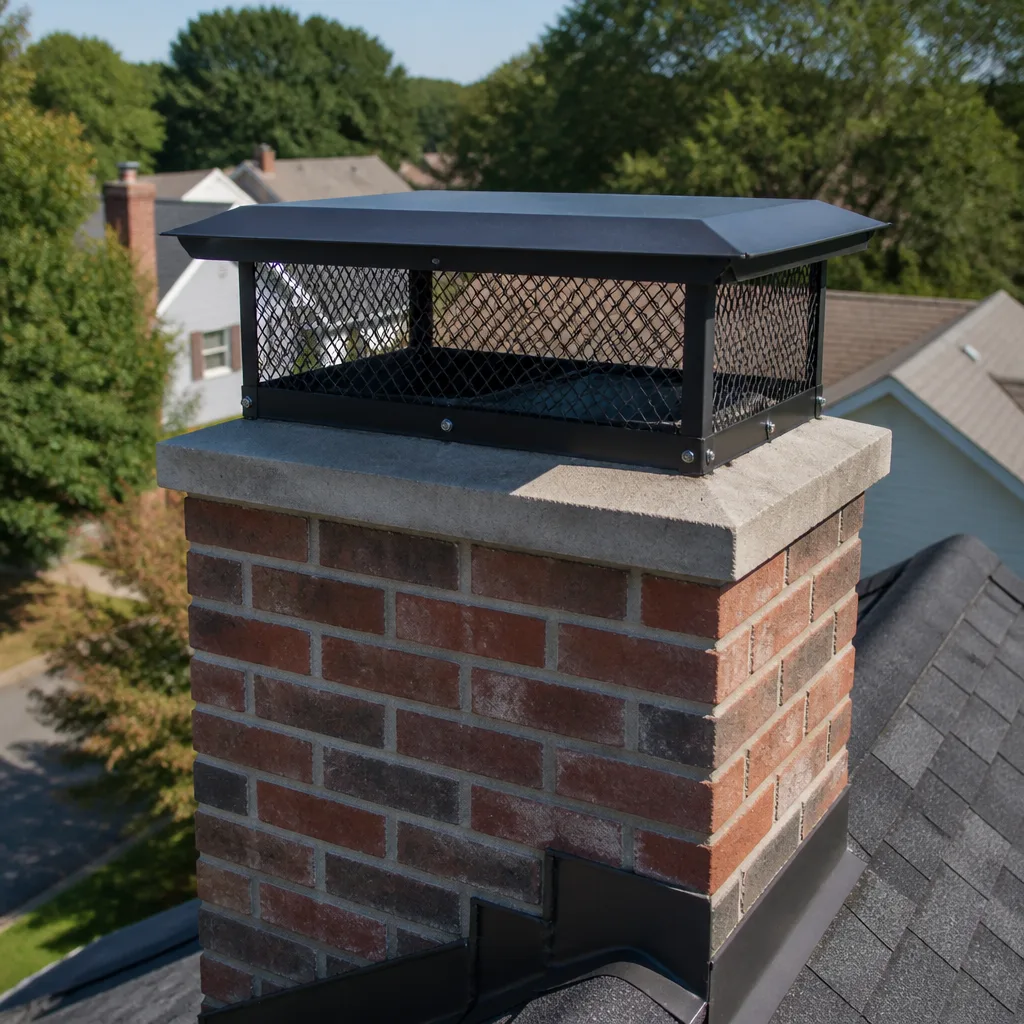 Sweep & inspection
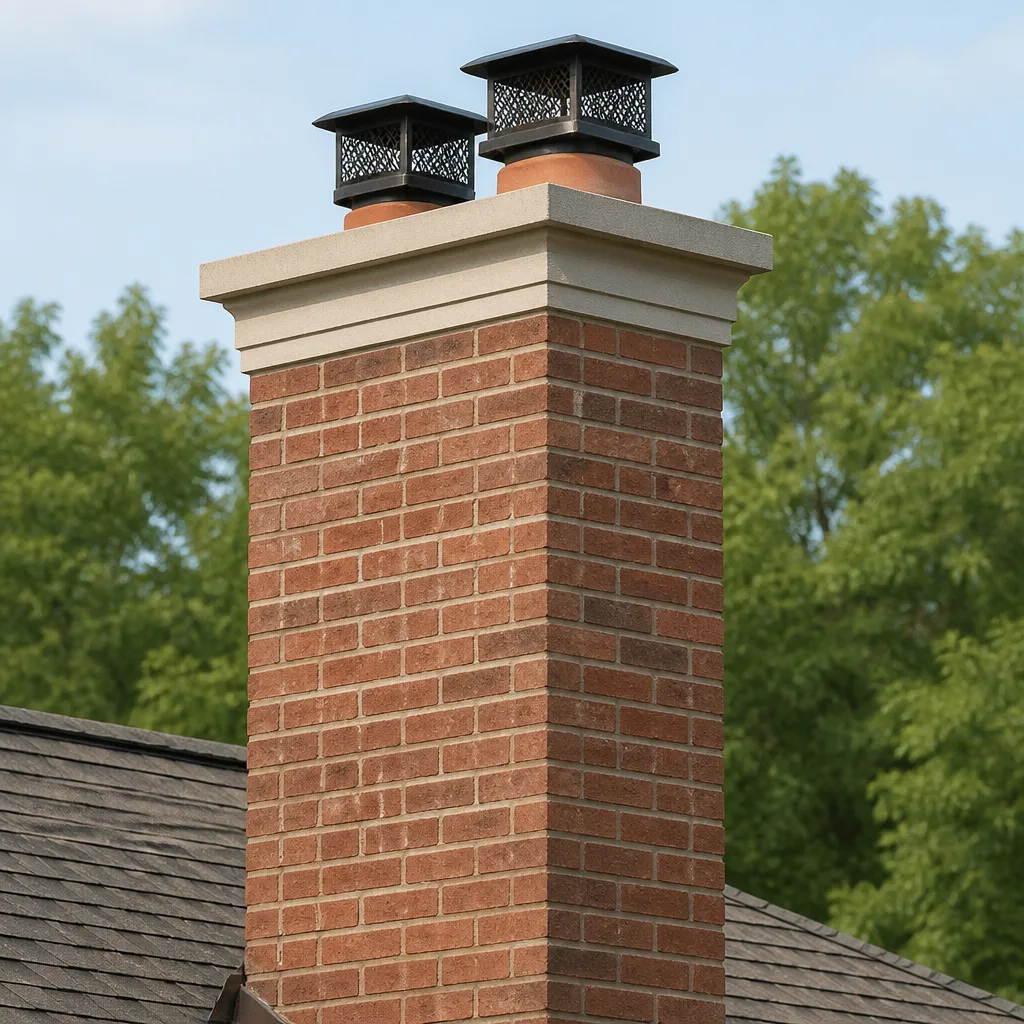 Caps & crowns
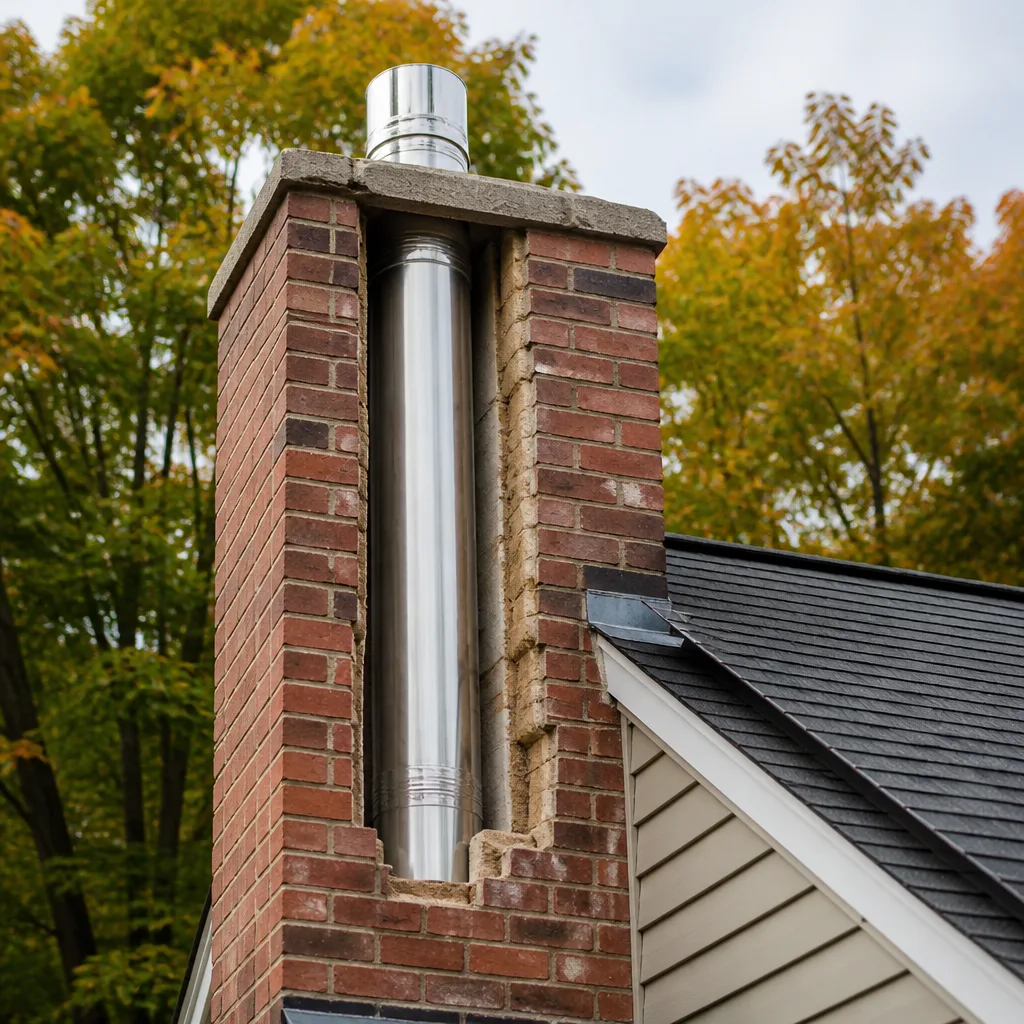 Flue relining
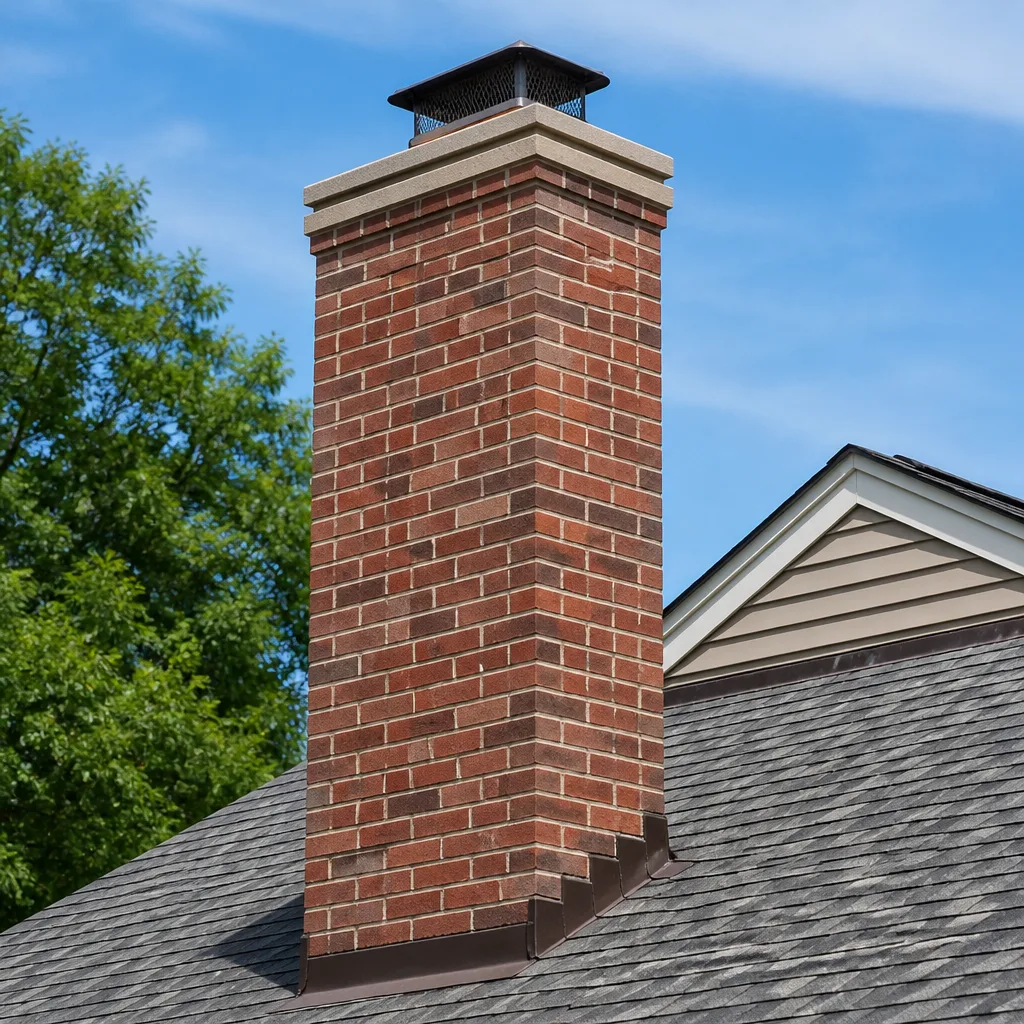 Masonry repair
 Gas fireplace service
Level 1 sweep and inspection to the NFPA 211 annual standard - flue, crown, cap, and flashing checked and photographed
Chimney sweep logs do not sweep chimneys. They loosen some creosote - which then falls where a brush and vacuum still have to collect it.
Chimney Cleaning Emergency Preparedness Guide for Oak Cliff Homes
Most chimney advice you’ll find tells you how to prevent a fire. This guide is different. It’s about the fourteen minutes after something goes wrong. A chimney fire in a flue lined with Stage 3 glazed creosote can hit 2,000°F, hot enough to crack a clay tile liner and reach the framing behind it. From the living room, the fireplace looks normal. The damage happens inside the chase where you can’t see it. What separates a homeowner who loses a chimney from one who gets through it with a repaired liner is preparation: knowing the sound, knowing the first four moves, and knowing exactly who to call for the post-event inspection. That’s what we cover here, written for Oak Cliff homes.
Quick Answer
A chimney fire emergency in Oak Cliff calls for four immediate actions: close the damper, shut the glass doors or cover the opening, get everyone outside, and call 911. Do not open windows to vent smoke and do not spray water into a hot flue. Once the fire department clears the scene, no one should relight the fireplace until a Level 2 inspection by a qualified chimney professional confirms the liner, crown, and adjacent framing are sound. Call (888) 847-8540 for a post-fire inspection. We answer 24/7.
Styles & brands we work with
- Sweep & inspection
- Caps & crowns
- Flue relining
- Masonry repair
- Gas fireplace service
Table of Contents
- How do you know it’s a chimney fire and not just a hot fire?
- What are the first four minutes of a chimney fire response?
- Why “venting smoke” is the wrong instinct
- What does a Level 2 post-fire inspection cover?
- Carbon monoxide emergencies in gas fireplace systems
- What to have documented before an emergency
- Why Oak Cliff homes face specific chimney risks
- What recovery looks like after a chimney fire
How do you know it’s a chimney fire and not just a hot fire?
A chimney fire has a signature you can hear, smell, and see if you know what you’re listening for. A normal wood fire in an open hearth is a low crackle with occasional pops from sap. A chimney fire is louder and more insistent: a sustained roaring or rumbling like a freight train under a bridge, and a series of sharp pops that sound closer together than a normal fire. Our technicians who’ve responded to post-fire inspections across Oak Cliff describe clients hearing the roar from inside the house and mistaking it for wind in the flue.
The smell is the second tell. Ordinary smoke smells like wood. A chimney fire smells sharp and acrid, a creosote burn that catches in your throat. If you step outside and the smell is still intense coming from the cap, that’s a strong signal.
Visually, look for any of these:
- Heavy, dark smoke pouring from the chimney cap (normal smoke is thinner and paler)
- Sparks or flames visible at the cap
- Puffy, creosote-smelling smoke visible at the top of the firebox
- Rattling or vibration in the chimney pipe or surrounding metal components
- A sudden temperature spike followed by an odd, dull smell
If you’re unsure whether it’s active, err on the side of calling the fire department. A false alarm costs you nothing but a visit. A missed chimney fire costs you a liner and possibly a house. Oak Cliff homes with masonry chimneys built in the mid-20th century often have clay liners that crack under fire temperatures without visible damage from inside the house, so the fire department’s ability to confirm containment matters.
What are the first four minutes of a chimney fire response?
In our experience, the homeowners who handle a chimney fire well have rehearsed the moves before they needed them. Here is the order that works, and we ask you to read it once now and once again before each heating season:
- Close the damper. Cut the combustion air feeding the fire. From the handle at the firebox, pull the damper fully shut. This starves the fire of oxygen and limits the heat it can reach.
- Close the glass doors or cover the opening. If you have glass fireplace doors, close them. If not, put the screen in place and step back. Never stand in front of an open firebox during a chimney fire.
- Get every occupant outside. Walk out the door nearest the front of the house, away from the flue side if possible. This includes pets. Do not take time to gather belongings.
- Call 911 from outside. Tell the dispatcher “chimney fire” and give your address. If you have a screen door open for the fire department, tell them so they don’t assume forced entry.
After 911 is called, do not relight the fireplace, do not open the firebox to inspect, and do not run a shop vac near the hearth. Embers can travel through a chimney fast, and the fire can rekindle after it appears to be out. In Oak Cliff, fire crews may arrive from the nearest station and inspect the flue from the ground or the roof, but their job is to contain the fire, not to clear your chimney for use. That clearance comes from a chimney inspection.
The overall goal in the first four minutes is simple: cut off oxygen, protect people, call for help. Everything else is secondary.
Why “venting smoke” is the wrong instinct
When smoke starts backing into the room, the instinct is to open a window. It seems logical. In a chimney fire, though, opening windows backfeeds the flue. The negative pressure you create by opening a window can pull air up the chimney and feed the fire instead of venting the smoke. You may end up with a hotter fire and a room that fills with smoke anyway.
The second wrong instinct is water. Spraying water into a hot flue can crack a clay liner through thermal shock. Our technicians have pulled liners after water was dumped into a firebox, and the cracks run three feet or more. Even a small crack opens a path for carbon monoxide and embers into the framing. Leave water out of this entirely.
Third instinct to suppress: opening the damper “to cool things down.” Opening the damper lets more air in and can create a chimney draft that feeds the fire. It also sends heat straight up into the roof structure. In Oak Cliff, where many homes have wood shake or composite shingle roofs directly at the flue termination, that heat is the danger. The damper stays shut until a professional opens it.
The fourth: running the furnace or HVAC fan to clear smoke. The HVAC system distributes carbon monoxide and soot throughout the house. Turn the system off if smoke is in the living space. Windows stay closed. Doors stay closed. You and your family step outside and stay outside until the fire department gives you the all-clear.
If you want a short version to keep on the fridge: damper closed, doors closed, people out, 911 called, windows shut.
What does a Level 2 post-fire inspection cover?
A Level 2 inspection after a chimney fire is not optional, and under NFPA 211 (the National Fire Protection Association’s standard for chimneys, fireplaces, vents, and solid fuel-burning appliances) it is the required baseline before the chimney goes back into service. Level 1 is the annual visual inspection of an accessible chimney with the standard tools. Level 2 goes further: it covers the entire flue, all accessible portions of the chimney interior, and any connected appliance venting. It is done with a camera, and it produces a written report.
What the inspection covers when we perform it:
- Full-length video of the flue interior, including transitions, offsets, and the cap area
- Assessment of the clay liner, metal liner, or HeatShield ceramic coating for cracks, spalling, and separations
- Check of the firebox and smoke chamber for damage from heat stress
- Examination of the damper and its frame
- Inspection of the chimney crown, cap, and flashing at the roofline
- Confirmation that the flue is not obstructed by debris, bird nests, or creosote chunks
- Photos and written findings you can put in front of your insurance company
The written report is the piece most homeowners don’t realize they need. No insurance company should pay a chimney fire claim without a Level 2 inspection on file. Without the report, the adjuster has no basis for sizing the repair, and the claim can stall or be denied. Our inspections provide the photos and written findings you hand to the insurer, which moves the claim faster.
In our work across Oak Cliff, we’ve seen clay-tile lined chimneys pass a visual inspection from the hearth and fail a Level 2 in the third section of flue, where the tiles have shifted. That’s why camera inspection matters after a fire, and why we don’t quote a repair until we’ve seen the flue.
Carbon monoxide emergencies in gas fireplace systems
Carbon monoxide (CO) from a fireplace is a different emergency than a chimney fire and it develops quietly. A blocked or disconnected flue on a gas fireplace system lets combustion byproducts vent into the living space instead of up and out. CO is colorless, odorless, and tasteless. The only reliable warning is a working CO alarm, which is why we tell Oak Cliff homeowners to test theirs at the start of every heating season.
How to tell CO exposure apart from flu symptoms:
- Symptoms improve when you leave the house. A flu comes with you to the hotel. CO poisoning doesn’t. If the headache, nausea, and dizziness ease within an hour of getting outside, treat that as a CO emergency until proven otherwise.
- Everyone in the home feels it at once. Flu spreads over days. CO hits every occupant at the same time, including pets.
- No fever. CO poisoning doesn’t produce a fever. Flu usually does.
- Dizziness and confusion are common. A gas fireplace with a blocked flue can fill a room before anyone notices the smell of gas, because CO has none.
If you suspect CO, get everyone out and call 911. Leave the gas fireplace off. Do not relight it, and do not run the furnace to clear the air. The fire department will measure CO levels, and the next step is a Level 2 inspection of the fireplace venting. A disconnected vent connector at the appliance is a common cause on gas inserts and gas log sets, and so is a flue blocked by a bird nest or cap failure. Olympia Chimney venting components, Copperfield terminations, and other professional-grade parts are available for proper repair once the cause is identified.
Install a CO alarm on every level of the home, and test it monthly. That’s the single most reliable protection against a gas fireplace emergency in Oak Cliff homes and everywhere else.
What to have documented before an emergency
An emergency is not the time to hunt for paperwork. If a chimney fire or CO event happens and you’re standing on the lawn talking to a fire captain, you want a folder in your hand. Build it now. It takes a half hour.
What your emergency folder should contain:
- Your most recent chimney inspection report, including photos and written findings
- Your most recent sweep receipt with the date and the technician’s name
- The chimney professional’s company name, phone number, and license number (the state of Texas licenses chimney and vent work; ask for theirs when you book)
- Liner details: material (clay tile, stainless steel, cast-in-place), shape and dimensions, and whether a HeatShield ceramic coating or DuraFlex flexible liner was installed
- Cap and crown details, including the brand (Gelco and Famco caps are common in our work) and installation date
- Fireplace and appliance make and model numbers
- Your homeowner’s policy number and your agent’s phone number
- A backup photo of each page stored on your phone
Keep the paper copy in a kitchen drawer and the photos on your phone. If you call after a fire, our team can pull your inspection history from our own file and cross-check the paper version.
One more item for the file: a note on your chimney’s location on the house and how the fire department accesses the roof. Oak Cliff homes often sit on narrow, sloping lots where the ladder truck has trouble reaching the chimney from the street side. Tell the 911 dispatcher where the chimney is relative to the front of the house, and note any trees or power lines in the way. That detail can save minutes.
Why Oak Cliff homes face specific chimney risks
Oak Cliff is a neighborhood of older housing stock, much of it built between the 1910s and the 1960s. Many of those homes have masonry chimneys with clay tile liners installed to a mid-century specification. Those liners were sized for the fireplaces of that era and the wood people burned then, and they’ve been in service through decades of fires since. Original clay tile flues develop cracks from heat cycling, and a chimney fire pushes them past their limit faster than ordinary use does.
The local climate plays a role too. Dallas County summers run hot, and many Oak Cliff homeowners don’t light the fireplace for six or seven months of the year. That long idle stretch matters for chimney readiness. Birds, squirrels, and the occasional raccoon use uncapped chimneys as shelter during the warm months, and a nest at the top of the flue narrows the passage. When the first cold snap of December arrives and the first fire is lit, the smoke has nowhere to go. A cap is the cheapest piece of prevention in the file. We use Gelco and Famco caps because they’re spec’d for Texas sun and weather and they seal the flue against wildlife without restricting draft.
Oak Cliff’s tree canopy is another factor. The pecan, oak, and cedar elm trees that shade the neighborhood drop debris, twigs, and leaves onto chimney caps and crowns every fall. A crown that has cracked from sun exposure and root intrusion lets water into the mortar, which softens the joints around the flue. Add one hard rain to a softened crown in a home near Kiest Park or the Stevens Park area, and you can get water running down the inside of the flue. Water plus creosote makes a more combustible deposit come the next fire.
The other local wrinkle: many Oak Cliff houses have gas log sets or gas fireplace inserts added in the 1990s and 2000s. The venting on those systems is often original to the installation and has never been inspected. That’s the state where CO incidents start. A Level 2 inspection now is cheaper than a CO emergency later.
What recovery looks like after a chimney fire
Recovery depends on the Level 2 findings. Not every chimney fire requires a rebuild. In our experience, most post-fire repairs fall into one of four paths, and the inspection photos decide which one applies.
- Clean and re-inspect. If the liner is intact and only creosote was consumed, the next step is a sweep of the flue and a re-inspection to confirm no damage. This is the least expensive outcome, and it happens when the fire was small or the flue was clean before the event.
- Relining with a flexible system. Cracks in clay tile or a shifted section means the existing liner can’t be trusted. A DuraFlex flexible liner is sized and shaped to the flue you have, so it fits irregular or offset old flues. It’s not a one-size insert. It’s a custom-fit stainless liner installed through the existing chimney.
- Ceramic resurfacing. Where the liner is compromised but the masonry is sound, HeatShield ceramic resurfacing can restore the flue surface without a full tear-out. It’s a specialist product most chimney companies don’t carry because it requires specific training and materials. Applied to the inside of a damaged flue, it creates a new smooth, sealed surface and lets you keep the existing chimney.
- Structural repair. When the fire has damaged the smoke chamber, crown, or adjacent framing, that’s the worst outcome. Our repair service handles the chimney from the firebox up to the cap, and it’s done by the same company that performed the inspection. No subcontracting the difficult part to another contractor.
The point of all four paths is that the correct one gets picked from camera evidence, not guesswork. Nobody should quote you a liner replacement off a look through the firebox.
Common Mistakes to Avoid
- Opening windows to clear smoke during an active chimney fire. This feeds oxygen to the fire through the chimney and can make the heat spike worse. It also doesn’t clear the smoke. Keep the house closed and get outside.
- Relighting after the fire department clears the scene. The fire is out, but the liner may be cracked. A second fire on a damaged flue travels into the framing. Wait for the Level 2 inspection before anyone puts another log in the firebox.
- Skipping the written report. An insurance claim needs photos and written findings in the file. A verbal “your chimney looks fine” from a passing sweep won’t hold up with the adjuster. Get the report.
- Dismissing a CO alarm as a false alarm. A gas fireplace with a blocked flue will set off a CO alarm before it causes a symptom in the home. If the alarm sounds, get out, call 911, and have the venting inspected. Never pull a battery to silence it.
- Leaving a chimney uncapped through the warm months. Oak Cliff’s spring and summer bring birds, squirrels, and raccoons. A missing or loose cap is the single most common way a flue gets blocked before the first fall fire. A Gelco or Famco cap fixes it for good.
- Hiring a generalist handyman for post-fire work. Chimney repair after a fire involves liner specifications, crown geometry, and clearance to combustibles. A handyman who “does chimneys on the side” doesn’t carry the camera gear or the specialty materials (HeatShield, DuraFlex, Copperfield linings) to verify the work.
- Assuming a visual inspection from the hearth is enough. Early-stage liner cracks hide behind the top of the firebox. The only way to find them is a camera inspection. If your last sweep didn’t include one, schedule one now.
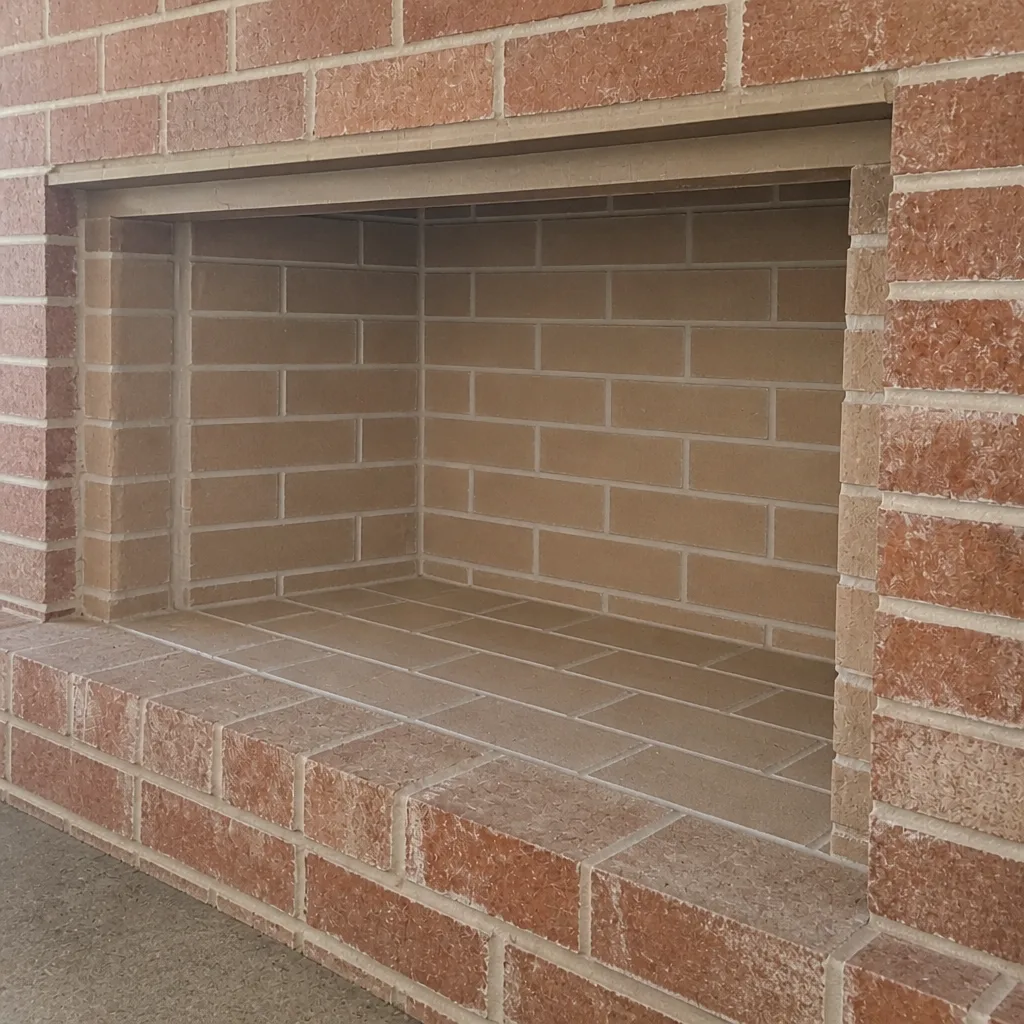
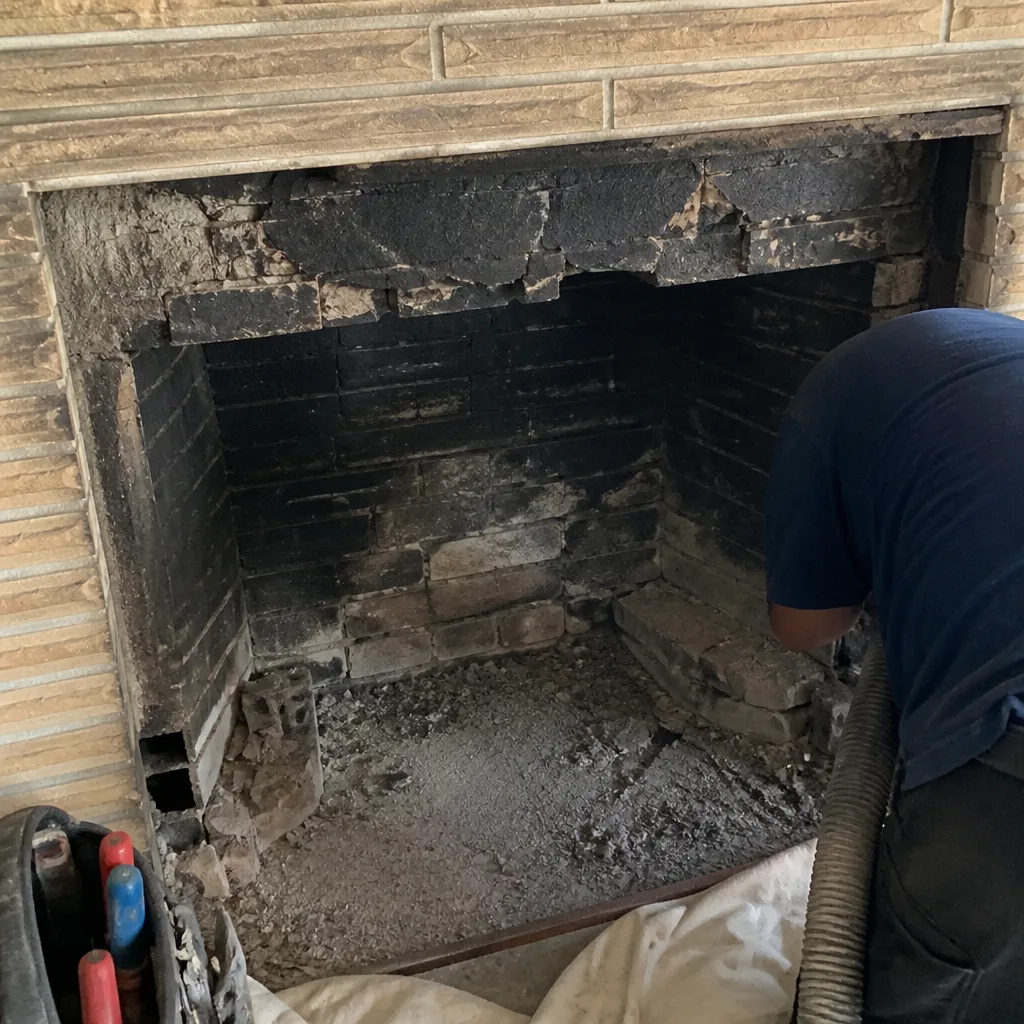
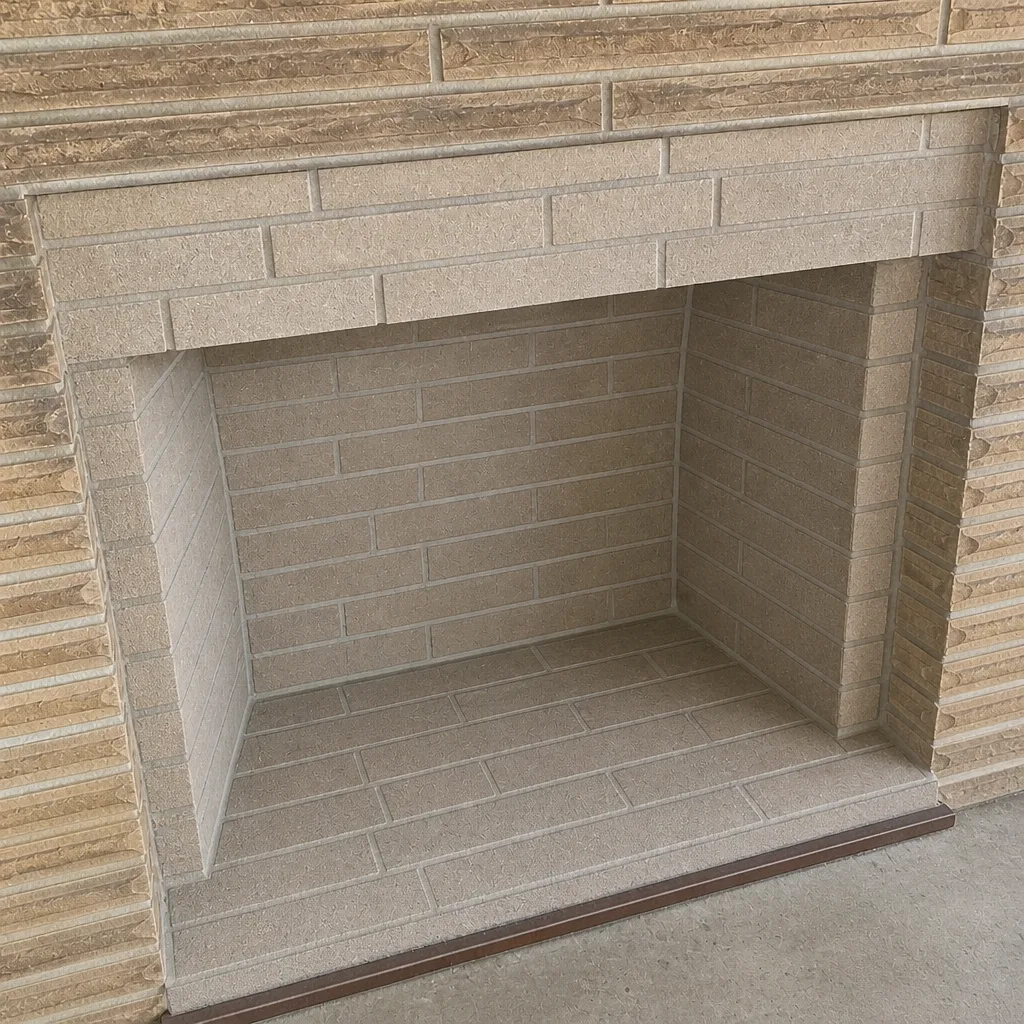
See the difference
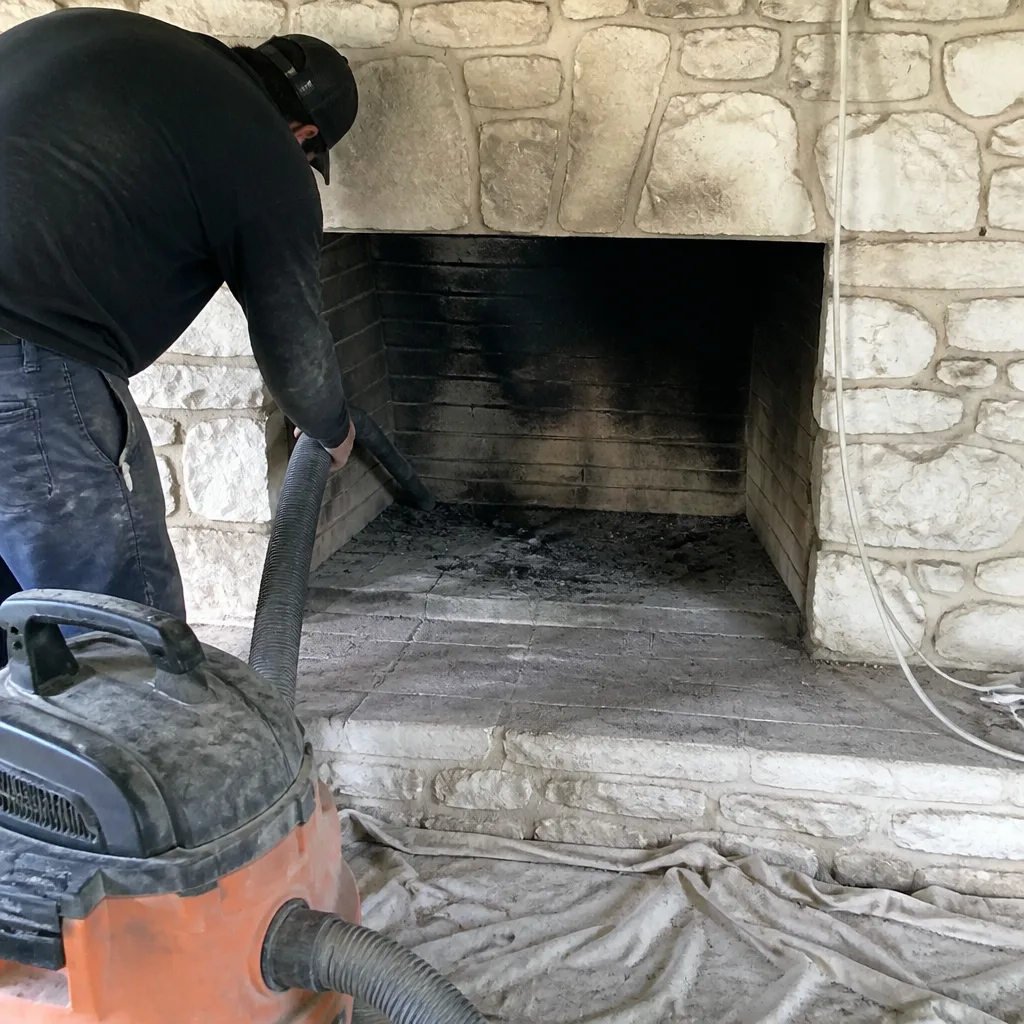 Before
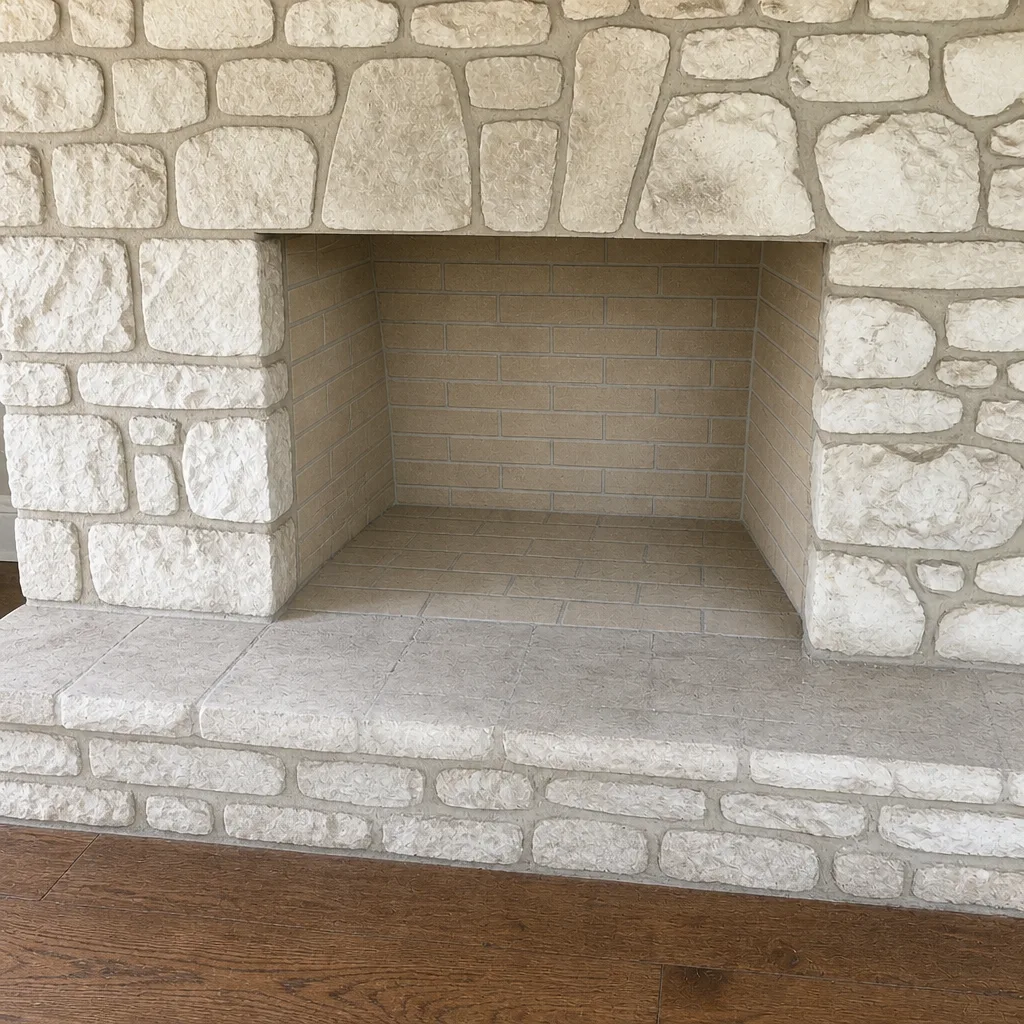 After
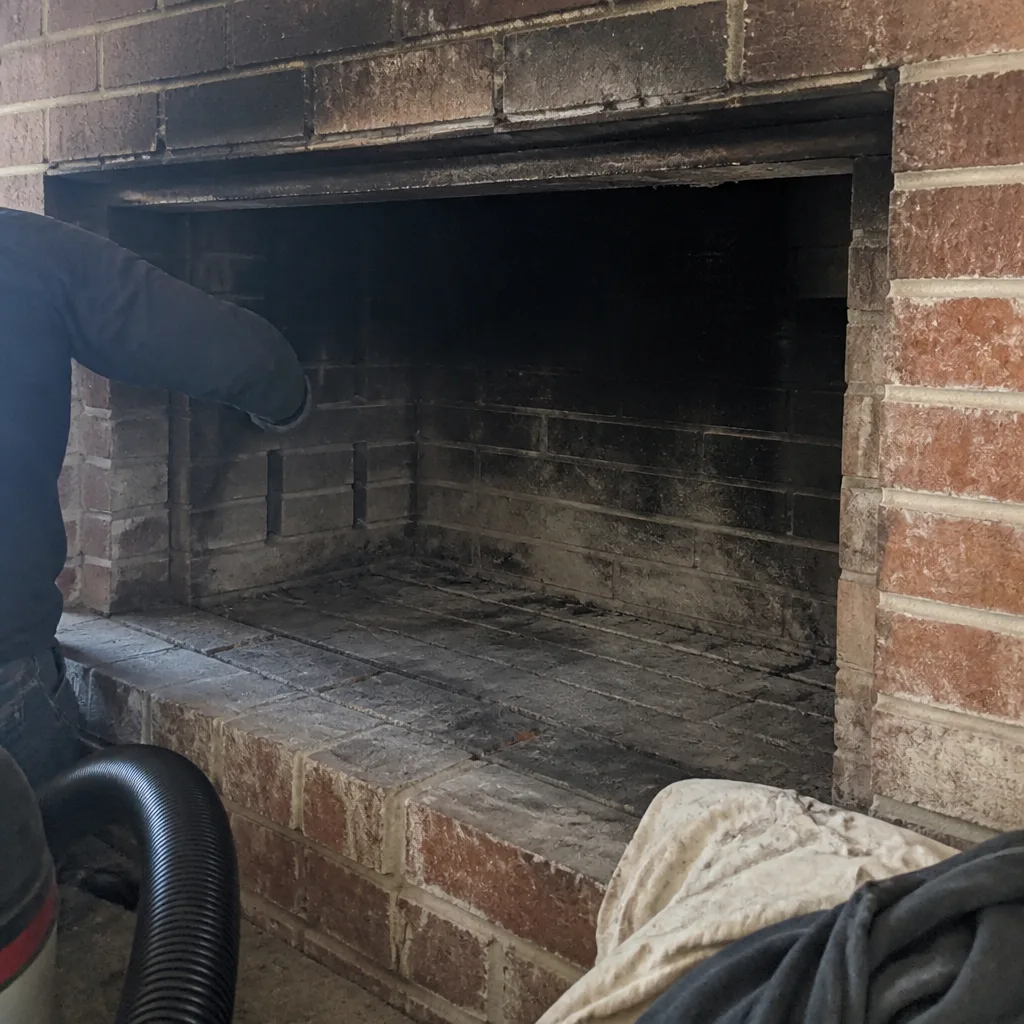 Before
 After
 Before
 After
When to Call a Professional
Call a chimney professional in any of these situations: after a chimney fire, even if the fire department says it was contained; if you smell creosote or see smoke puffing into the room when the fireplace is in use; if your CO alarm has sounded on a gas fireplace level of the home; if you’ve moved into an Oak Cliff home and don’t have an inspection record for the chimney; if you’ve bought a home with a fireplace that hasn’t been used in two or more heating seasons; if you notice pieces of clay tile or metal on the roof near the cap; or if you’re just about to light your first fire of the season and want a baseline. Chimney Sweep Oak Cliff offers free estimates on chimney work in Oak Cliff. Our technicians have up to 12 years of experience, and our inspection findings come in writing. Call (888) 847-8540. We answer 24/7. Fast dispatch from 7am to 7pm, Sunday through Friday.
Frequently Asked Questions
A chimney sweep in Oak Cliff is priced per job by written estimate, and the estimate itself is free. The final price depends on the flue, the amount of creosote, and whether an inspection is included. Call (888) 847-8540 for an exact quote. We’ll tell you what we found and what it means before we quote a repair.
Yes. NFPA 211 requires a Level 2 inspection after any chimney fire before the chimney goes back into service. The camera scan and written report are the evidence your insurance adjuster needs to process a claim, and the scan is how we find the liner cracks that a front-of-hearth visual inspection misses. Call (888) 847-8540 to book one.
A chimney should be swept once a year during active use, and again at the start of any heating season if the flue’s history is unknown. Fireplaces used as the primary heat source may need a mid-season sweep. For Oak Cliff homes, we recommend a sweep and a Level 1 inspection before the first fire of the season. Call (888) 847-8540 if you don’t have a date in your file.
Skipping a sweep lets creosote build in layers: first soot, then crust, then Stage 3 glazed creosote, which burns at chimney-fire temperatures. The flue narrows, draft slows, smoke backs into the room, and the next fire can flash over into a chimney fire. A sweep removes the deposits before they reach that stage. Call (888) 847-8540 and we’ll get you on the schedule.
Yes. A gas fireplace with a blocked, disconnected, or improperly sized flue can vent combustion byproducts into the living space. The CO has no smell, which is why an alarm on every level is essential. If your alarm has sounded, get out and call 911, then call (888) 847-8540 for a venting inspection before using the fireplace again.
A chimney fire has a distinct roar, sharp popping, and a creosote smell that reaches the living room; you may also see heavy dark smoke and sparks at the cap. A normal hot fire is quiet and its smoke is thinner and paler. If you’re unsure, call 911 first, then call (888) 847-8540 for a post-event inspection. Estimates are free.
The Bottom Line
Chimney emergencies in Oak Cliff rarely announce themselves. A fire sounds like wind, a CO event smells like nothing, and a cracked clay liner looks fine from the hearth. The homeowners who come through these events with a repaired chimney and a settled insurance claim are the ones who already know the four moves (damper closed, doors closed, people out, 911 called), who keep an emergency folder with their last inspection report and liner specs, and who call for a Level 2 inspection before anyone relights the fireplace. That’s the whole playbook. Prepare the folder now. Rehearse the moves once. Then go enjoy the fireplace.
If you want a baseline inspection or a post-event check, Chimney Sweep Oak Cliff sends a camera and a written report. Whether you need a routine chimney sweep, a chimney cap & crown to keep wildlife and water out, or fireplace repair after a fire, one company handles the sweep, the inspection, and any repair we find. Call (888) 847-8540 for a free estimate. We answer 24/7. Fast dispatch from 7am to 7pm, Sunday through Friday.
Written by the team at Chimney Sweep Oak Cliff.