
Last updated November 22, 2026
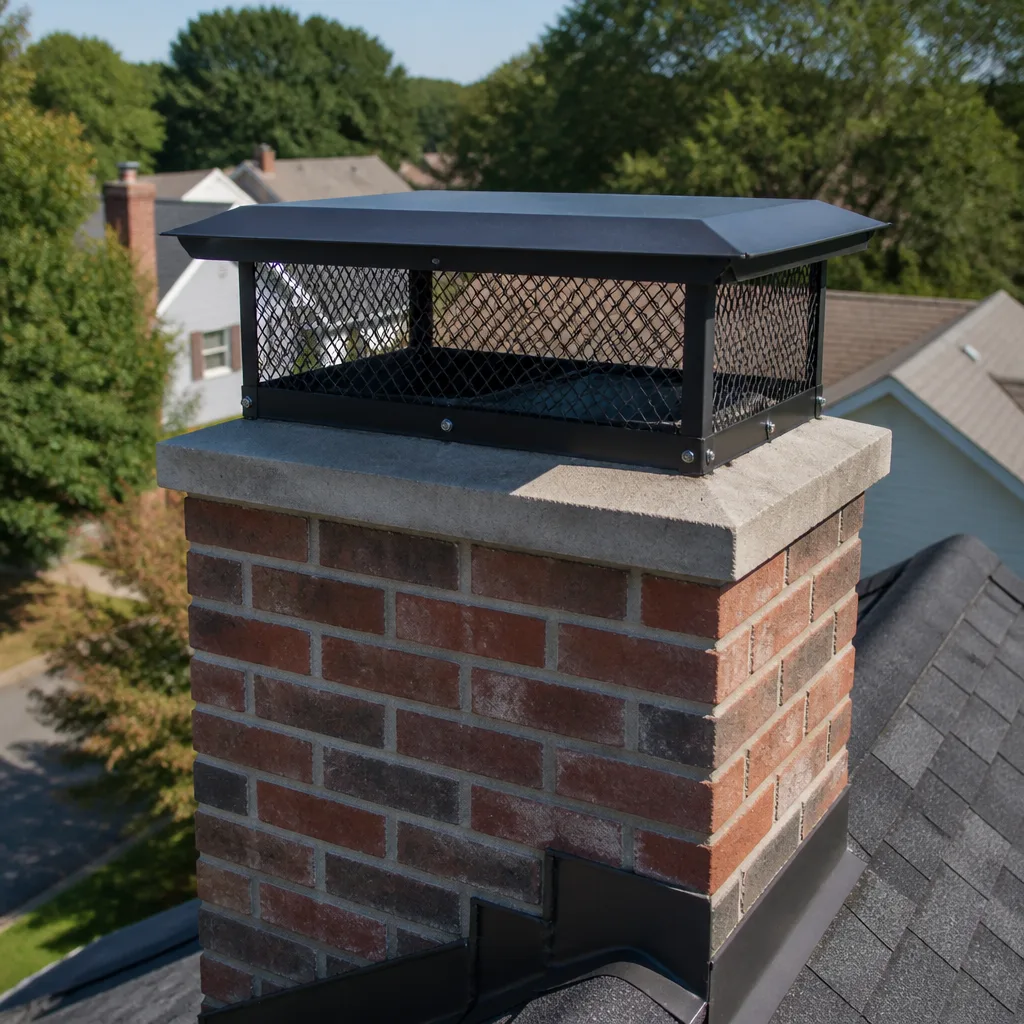 Sweep & inspection
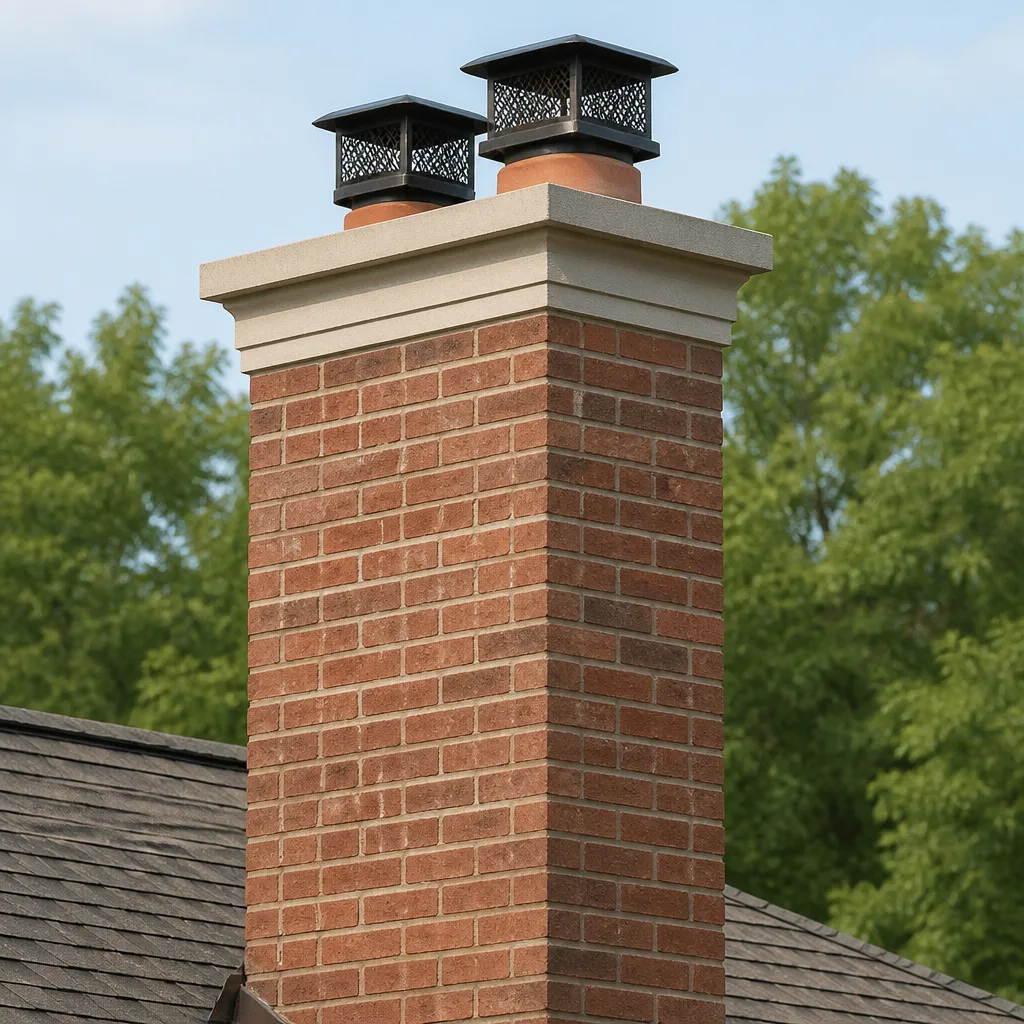 Caps & crowns
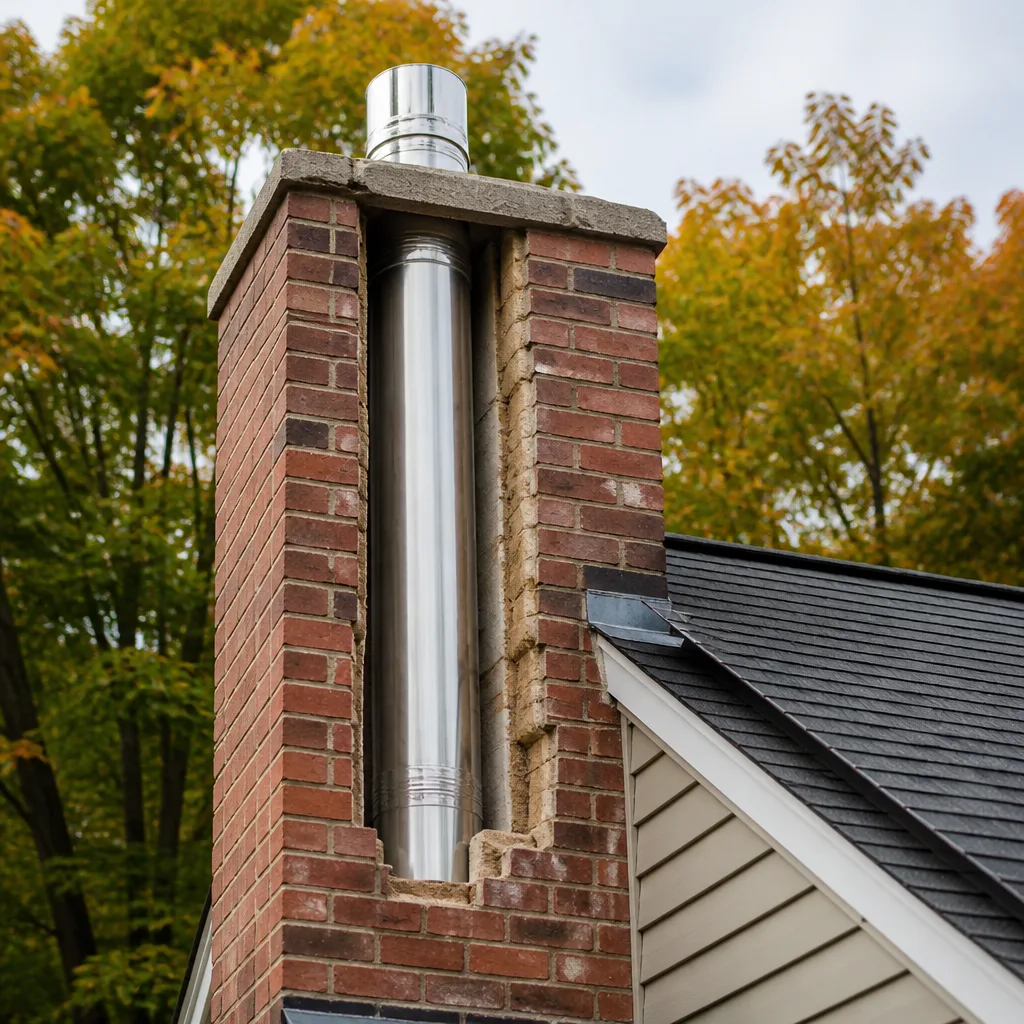 Flue relining
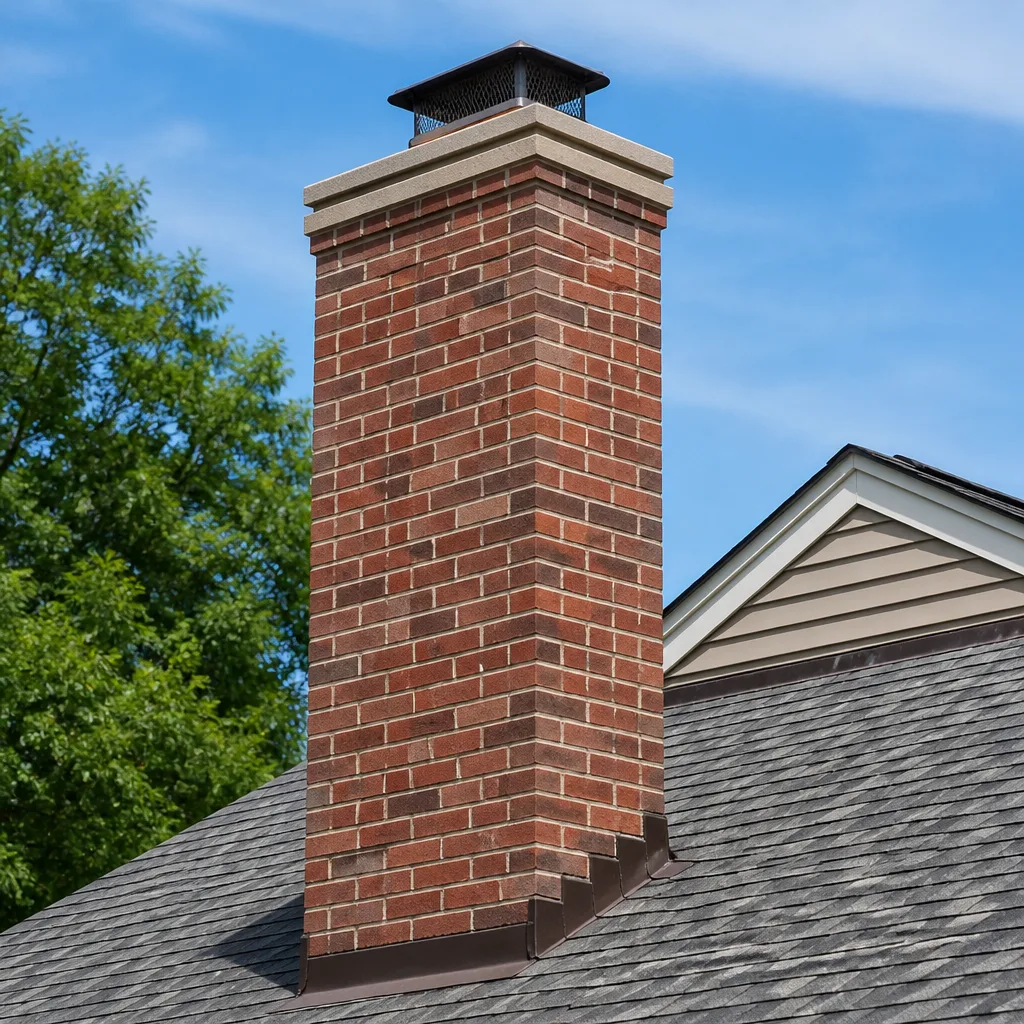 Masonry repair
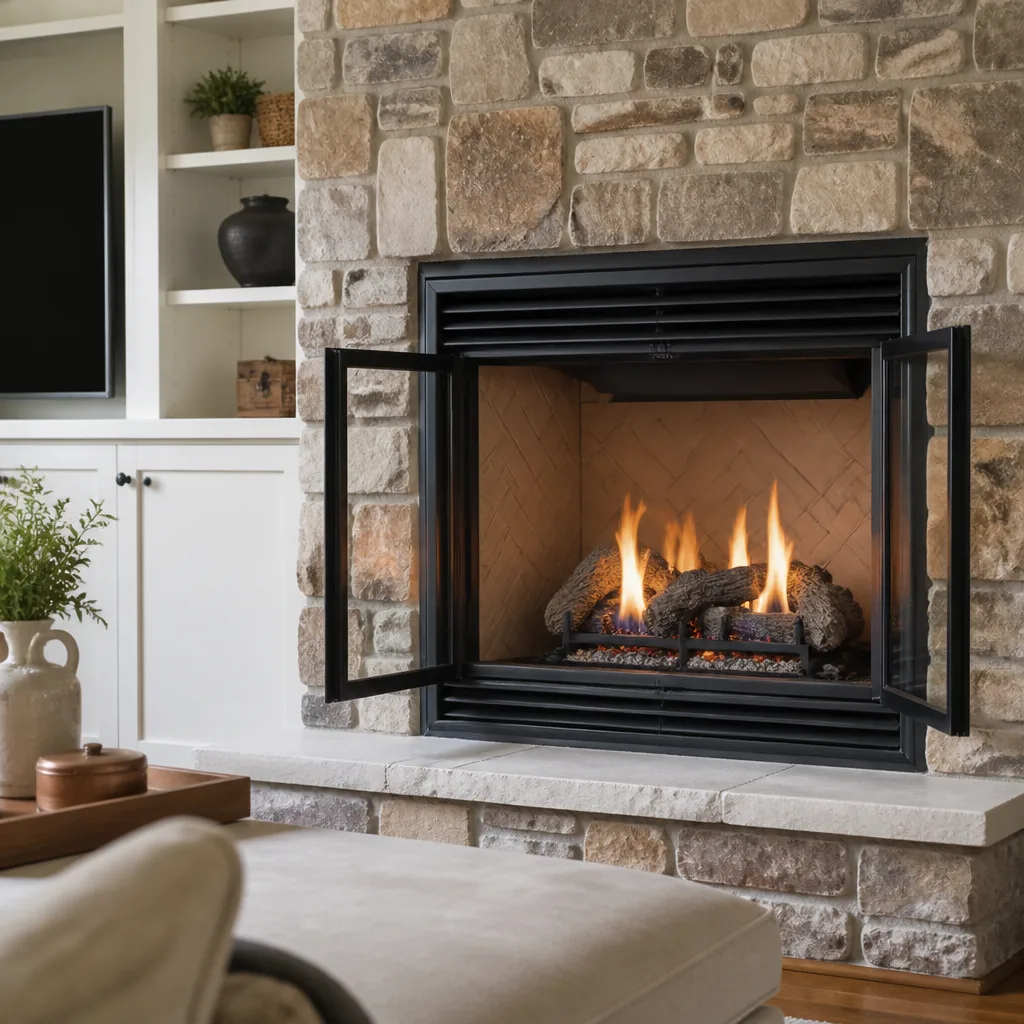 Gas fireplace service
Level 1 sweep and inspection to the NFPA 211 annual standard - flue, crown, cap, and flashing checked and photographed
Chimney sweep logs do not sweep chimneys. They loosen some creosote - which then falls where a brush and vacuum still have to collect it.
DIY vs Professional Chimney Cleaning: The Oak Cliff Homeowner’s Decision Guide
A brush kit from a big-box store works fine on the creosote. It does nothing for the cracked tile at the second flue section you can’t see, the deteriorating smoke shelf, or the flashing gap letting water in at the roofline. Those are the things that actually cause chimney fires and water damage, and they’re invisible to a homeowner standing on the hearth with a flashlight. This guide draws a precise line: the narrow set of conditions where a DIY sweep is genuinely appropriate in Oak Cliff, and the much larger set of conditions where it isn’t. It’s written for homeowners who want to understand their chimney as a system, not just check off a chore.
Quick Answer
DIY chimney sweeping is appropriate for one narrow case: a lightly used fireplace with a straight, unobstructed flue and a liner you know is intact and correctly sized. For almost everything else – flexible liners, gas appliance flues, chimneys with unknown history, and any flue showing glazed or puffy creosote – a professional sweep with a rotary cleaning system, a closed vacuum, and camera inspection is the right call. The brush handles the creosote. The camera and the trained eye handle the things that actually start fires.
Styles & brands we work with
- Sweep & inspection
- Caps & crowns
- Flue relining
- Masonry repair
- Gas fireplace service
Table of Contents
- What a DIY Brush Sweep Actually Accomplishes
- What a Professional Rotary Sweep and Camera Inspection Adds
- The Real Equipment Cost of Doing DIY Correctly
- The Insurance and Liability Angle Nobody Mentions
- Chimney Conditions That Disqualify DIY Entirely
- Why Oak Cliff’s Older Housing Stock Changes the Calculation
- What You Can Legitimately Do Between Professional Visits
- How a Professional Sweep Actually Works, Step by Step
What a DIY Brush Sweep Actually Accomplishes
A brush on a set of fiberglass rods removes loose soot and soft, flaky creosote from the flue walls. That’s a real job, and done carefully on a simple flue, it accomplishes about 60 to 70 percent of what a professional sweep does. The remaining 30 to 40 percent is where the value sits, and it’s the part you can’t reach or assess from below.
Here’s what a DIY brush sweep genuinely gets done:
- Removes light, fluffy creosote from the first stage of buildup
- Knocks down soot on the flue walls and the smoke chamber floor
- Clears a visible obstruction – a bird’s nest, a leaf clog – that you can confirm from the firebox
- Gives you a sense of how much is accumulating and how fast
- Prepares a lightly used flue for the next burning season
What it doesn’t do:
- Remove Stage 3 glazed creosote, which is hard, shiny, and requires mechanical rotary tooling
- Show you a cracked flue tile two sections up
- Assess the smoke shelf, the damper frame, or the crown’s condition
- Detect a gap in the flashing at the roof penetration, which is how water gets in and rots the chimney from the inside
- Confirm that a flexible liner is properly attached at the top plate or that it hasn’t shifted
- Produce a written record of the chimney’s condition for your files or your insurer
If your chimney fits the narrow DIY case, a brush sweep keeps the flue clear between professional visits. If it doesn’t, you’re sweeping blind and hoping the part you can’t see is fine.
What a Professional Rotary Sweep and Camera Inspection Adds
A professional sweep isn’t a bigger brush. It’s a different method. The technician uses a rotary cleaning head on a flexible whip, run from the top down or bottom up depending on the flue, under negative pressure from a closed HEPA vacuum so no soot escapes into the living space. That’s the mechanical side. The diagnostic side is the camera and the eyes.
Here’s what a proper professional sweep gives you that no brush kit can:
- Rotary cleaning of the full flue surface. Spinning cutter heads and whips remove glazed creosote that a brush slides over. This is what gets the flue back to bare tile or liner.
- Contained dust. A closed vacuum with the hose sealed at the firebox or the top plate keeps soot out of the room. A DIY sweep with a shop vac stirs it up and distributes it through the house.
- Camera inspection of the flue interior. A chimney camera run up the flue shows the joints, the liner, the offset, and any spalling or gaps. This is the inspection that finds the cracked tile before it becomes a fire path.
- Exterior and structural assessment. The technician checks the cap, the crown, the flashing, and the masonry for cracking or separation. Water intrusion at the crown or flashing is a slow, expensive problem if it’s missed.
- A written report. You get findings in writing, so you know what was found, what it means, and what can safely wait. That record is also what an insurance adjuster wants to see.
In our experience, the camera almost always finds something a homeowner didn’t know about – not because the homeowner was careless, but because the failure points aren’t reachable from the hearth. A chimney sweep visit that includes inspection and a written report is the difference between cleaning the flue and understanding it.
The Real Equipment Cost of Doing DIY Correctly
Most homeowners compare a $30 brush kit to a professional sweep fee and conclude DIY is cheaper. That comparison is only fair if the $30 kit actually does the job. Doing a DIY sweep correctly – safely and without spreading soot – requires more than a kit, and the math changes once you price the full setup.
Here’s the equipment list for a proper DIY sweep:
- Fiberglass rods: a set long enough to reach your flue height. A short set stops halfway and leaves you sweeping only the bottom third.
- Brushes sized to the flue: the brush must match the flue’s inside dimension. A loose brush skips the walls; an oversized one jams.
- HEPA vacuum: a household shop vac without HEPA filtration blows fine soot back into the room. A true HEPA unit with a sealed hose and a firebox adapter is the only way to contain dust.
- Drop cloths and sealing tape: canvas drop cloths and tape to seal the firebox opening and any nearby gaps.
- Respirator, goggles, gloves: soot and creosote are respiratory irritants. A dust mask is not enough for a full sweep.
- A ladder and roof access gear: if you’re sweeping from the top, you need a ladder rated for the height, a stabilized setup, and a way to work safely at the roofline.
Priced out, the equipment alone runs into the hundreds of dollars before you’ve swept anything. Over a five-year stretch with one annual sweep, the equipment cost per year equals or exceeds a professional sweep in most cases, and that’s before you account for the inspection you still can’t do. When you factor in the value of a camera inspection and a written report, the DIY equipment route is a false economy for most Oak Cliff homeowners. The professional route is a Chimney Sweep Oak Cliff visit that includes the sweep, the inspection, and the report for a flat price agreed before the work starts.
The Insurance and Liability Angle Nobody Mentions
Here’s the part of the DIY decision that rarely gets discussed: what happens after a chimney fire if the only cleaning on record was done by the homeowner. Most homeowners insurance policies cover chimney fire damage, but the adjuster will want to know the chimney was maintained. A professional inspection report is the documentation that answers that question.
A DIY sweep leaves no third-party record. If a chimney fire occurs and the insurer asks for maintenance history, you have your word and a receipt for a brush kit. That’s not the same as a written inspection by a trained technician documenting the chimney’s condition and confirming it was safe to use. The gap in documentation can complicate a claim in ways that have nothing to do with who was at fault.
This matters most in older housing stock, where the insurer may already be cautious about the chimney’s age and condition. A written record from a professional inspection establishes that the chimney was checked, that any issues were identified, and that the homeowner acted on the findings. That’s a meaningfully stronger position than a homeowner’s recollection of a sweep.
We’re not suggesting every DIY sweep leads to a claim problem. Most don’t. But the one time it matters, the documentation is the difference between a smooth claim and a contested one. A professional inspection on record is the cheapest insurance you’ll ever buy on a fireplace you actually use.
Chimney Conditions That Disqualify DIY Entirely
Some chimneys should never be swept by a homeowner, not because the sweep is hard but because the risk of damaging the system is real. If your chimney has any of the following, call a professional.
- A flexible or damaged liner system. A brush run through a flexible liner can catch on a seam, tear the liner, or dislodge it from the top plate. Flexible liners need a technician who can see what the brush is doing. A DuraFlex liner is sized and shaped to your specific flue, and a DIY brush can undo that fit.
- A gas appliance flue. Gas flues have different venting requirements and often a smaller diameter. Sweeping one with a wood-flue brush can damage the vent or leave debris that affects draft. Gas appliance flues aren’t a DIY job.
- A chimney with unknown history. This is common in Oak Cliff’s older homes, where a chimney may have been relined, repaired, or modified by a previous owner with no documentation. Without knowing what’s inside, a brush sweep is a guess.
- Stage 2 or Stage 3 creosote. Glazed, puffy, or hardened creosote doesn’t come off with a brush. It needs rotary mechanical cleaning. Trying to force it off with a brush can compact it further or damage the flue.
- Any sign of cracking, spalling, or separation in the masonry or flue tiles. If you can see damage from the firebox, the flue likely has more above. A professional camera inspection is the only way to know the extent.
- A chimney that’s never been inspected, or not in recent memory. The first visit to a chimney of unknown condition should always be a professional inspection, not a homeowner sweep.
If any of these apply, the right move is a professional inspection before anything else. We use HeatShield ceramic resurfacing when a liner is compromised but doesn’t need full replacement – it’s a specialist restoration method that can bring a deteriorating flue back to service without tearing out the entire chimney. That’s a repair path most homeowners don’t know exists, and it’s only possible after a proper inspection.
Why Oak Cliff’s Older Housing Stock Changes the Calculation
Oak Cliff has a lot of homes built in the early-to-mid twentieth century, and those chimneys have often been through more than one owner, more than one repair, and more than one improvised fix. That history is exactly why DIY sweeping is a higher-risk proposition here than in a newer subdivision where the chimney is original and documented.
What we commonly find in older Oak Cliff chimneys:
- Original clay tile flues with cracked or spalled tiles. The tile joints are the weak point, and a cracked tile is a path for heat and embers into the framing. A brush doesn’t show you the crack; a camera does.
- Improperly sized or poorly installed liners from previous work. A liner that’s too small or not properly connected at the top causes draft problems and is a fire risk. It needs to be verified, not assumed.
- Deteriorated smoke chambers and dampers. The smoke chamber above the damper is a common failure point. It’s not visible from the firebox, and it’s not reachable with a brush on rods.
- Crown and flashing issues. Older crowns crack and separate from the flue. Flashing at the roofline loosens. Both let water in, and water damage in a masonry chimney is slow and structural.
- Caps that are missing, damaged, or the wrong size. A missing or ill-fitting cap is an open door for rain, birds, and squirrels. We source caps from Gelco and Famco because they’re built for the job, not the generic hardware-store version that doesn’t seal properly.
The point isn’t that every Oak Cliff chimney is in trouble. It’s that the odds of an unknown condition being present are higher in older housing, and the cost of missing it is higher too. That tilts the calculation toward professional inspection for most Oak Cliff homeowners, even if they sweep between visits.
What You Can Legitimately Do Between Professional Visits
There’s real work a homeowner can do safely and usefully between professional sweeps. None of it involves going onto the roof or into the flue, and all of it helps you catch problems early.
- Check the cap from the ground. Look up at the chimney cap with binoculars. Confirm it’s present, intact, and sitting level. A missing or tilted cap is a call-the-professional situation, but noticing it early is your job.
- Operate the damper. Open and close the damper fully a few times before the season starts. It should move freely and seat properly. A damper that sticks or won’t close fully affects draft and lets conditioned air escape when the fireplace is idle.
- Do a visual exterior masonry inspection. From the ground, look for cracks in the crown, missing mortar joints, staining that suggests water intrusion, or separation between the chimney and the roofline. Note anything you see and show the technician.
- Test your firewood moisture. A moisture meter is inexpensive and takes the guesswork out of firewood. Properly seasoned wood burns cleaner and produces less creosote. Test a fresh split, not the end grain, and aim for dry wood before burning.
- Keep a burning log. Note how often you burn, how much wood, and any change in draft or smell. That record helps the technician understand your usage pattern.
These checks are the right kind of DIY – observation, not intervention. They make your professional sweep more effective because you arrive with specific observations and questions. And they keep you from being surprised by something the technician finds that you could have spotted yourself.
How a Professional Sweep Actually Works, Step by Step
Understanding what a professional sweep involves helps you evaluate whether a DIY sweep is comparable. It isn’t, and the difference is in the method and the inspection that comes with it.
- Set up containment. Drop cloths go down, the firebox opening is sealed, and the HEPA vacuum is connected so the flue runs under negative pressure. No soot escapes into the room.
- Clean the flue. A rotary cleaning head on a flexible whip runs the full length of the flue, removing soot and creosote down to the tile or liner surface. The cleaning head is matched to the flue’s condition – a whip for light buildup, cutter heads for glazed creosote.
- Clean the firebox, smoke chamber, and damper. The smoke chamber above the damper is cleaned and inspected. This is the area a brush on rods can’t reach properly.
- Run the camera inspection. A chimney camera travels the flue, recording the joints, the liner, and any damage. The technician reviews the footage and documents findings.
- Inspect the exterior. The cap, crown, flashing, and masonry are checked from the roof. Any issue is photographed and noted.
- Provide a written report. You get the findings in writing, with photos and an explanation of what was found, what it means, and what can wait. Any recommended repair is quoted with the reason behind it.
That last step is where the trust is built. We’ll tell you exactly what we found and what it means before we quote a repair. If the chimney can safely wait until next season, we’ll say so. If something needs attention now, we’ll show you the photo and explain why. A chimney cap & crown repair or a fireplace repair is quoted from evidence you can see, not from a sales pitch.
Common Mistakes to Avoid
- Sweeping a flue you’ve never had inspected. The first visit to a chimney of unknown condition should be an inspection, not a sweep. In Oak Cliff’s older homes, the flue may have been modified or relined by a previous owner with no documentation.
- Using a household shop vac without HEPA filtration. A standard shop vac blows fine soot back into the room and through the house. If you’re going to DIY, the vacuum has to be HEPA-rated and sealed at the firebox.
- Forcing a brush through a flexible liner. A brush can catch on a liner seam, tear the liner, or dislodge it from the top plate. Flexible liners need a technician who can see what the brush is doing.
- Sweeping only the bottom third of the flue. A short rod set stops partway up, leaving the upper flue uncleaned. Creosote accumulates at the top, where it’s coolest, so the top is exactly where you need to reach.
- Ignoring the exterior. A clean flue with a cracked crown or loose flashing still takes on water. The exterior inspection is half the job, and it’s the half most DIYers skip.
- Assuming a gas insert doesn’t need service. Gas appliance flues have their own venting requirements and need inspection too. A gas insert that’s never been checked is as much a risk as a wood flue that’s never been swept.
- Burning unseasoned wood to “use it up.” Wet wood produces far more creosote than dry wood. Testing with a moisture meter before you burn is the single easiest way to slow creosote buildup in an Oak Cliff fireplace.
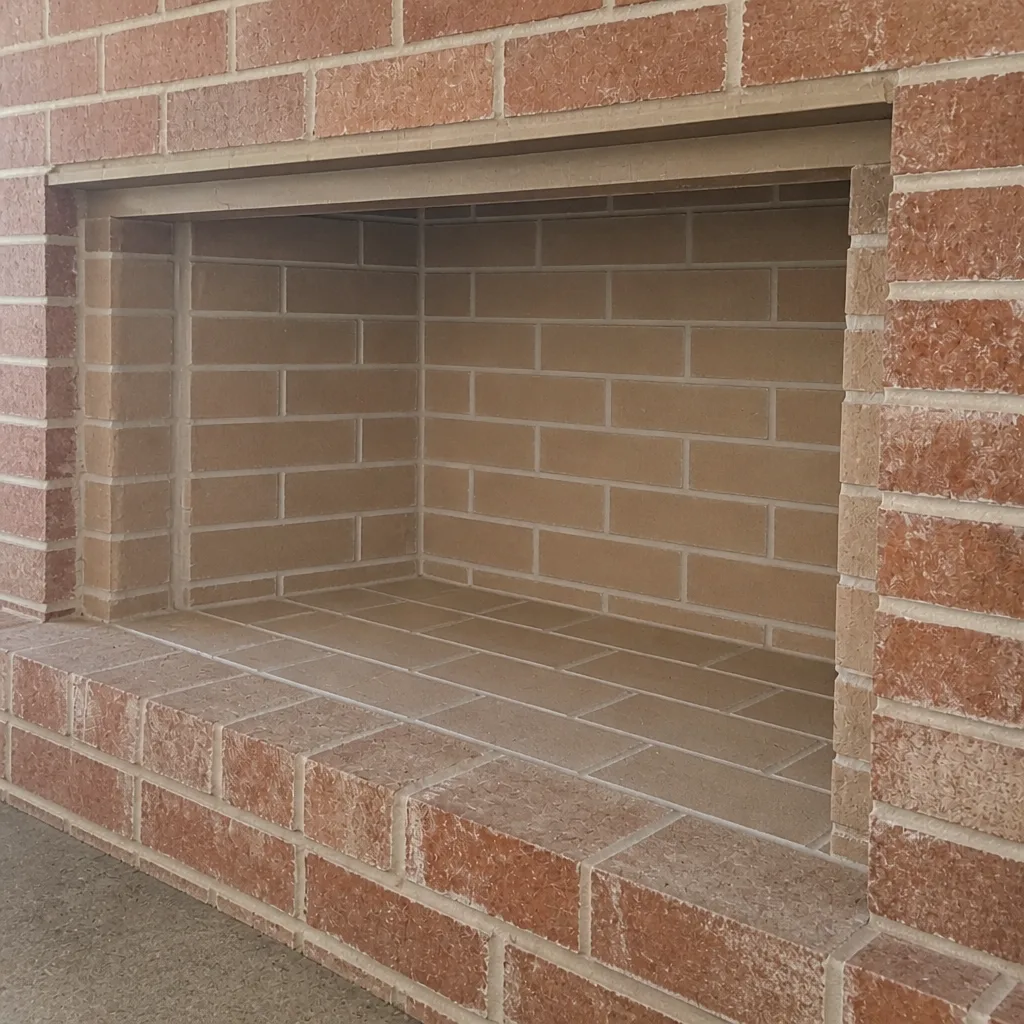
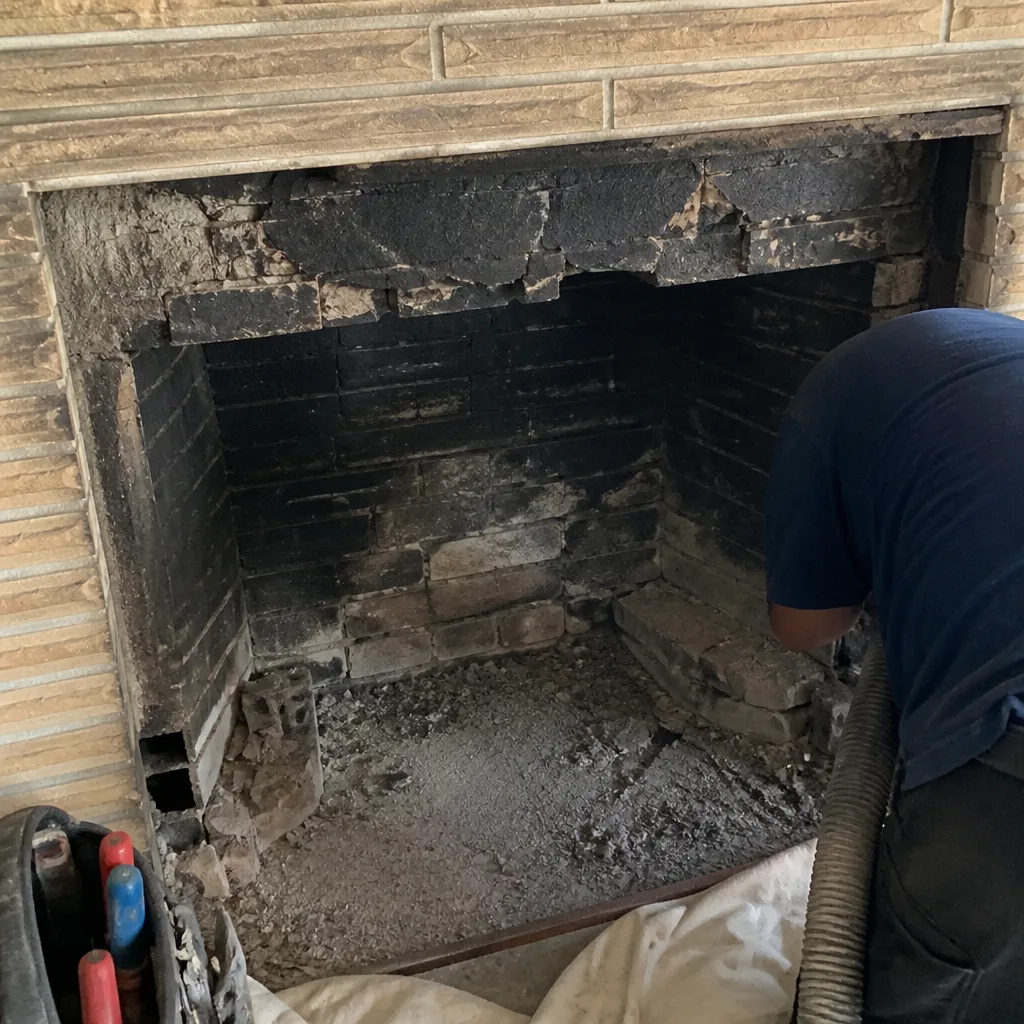
See the difference
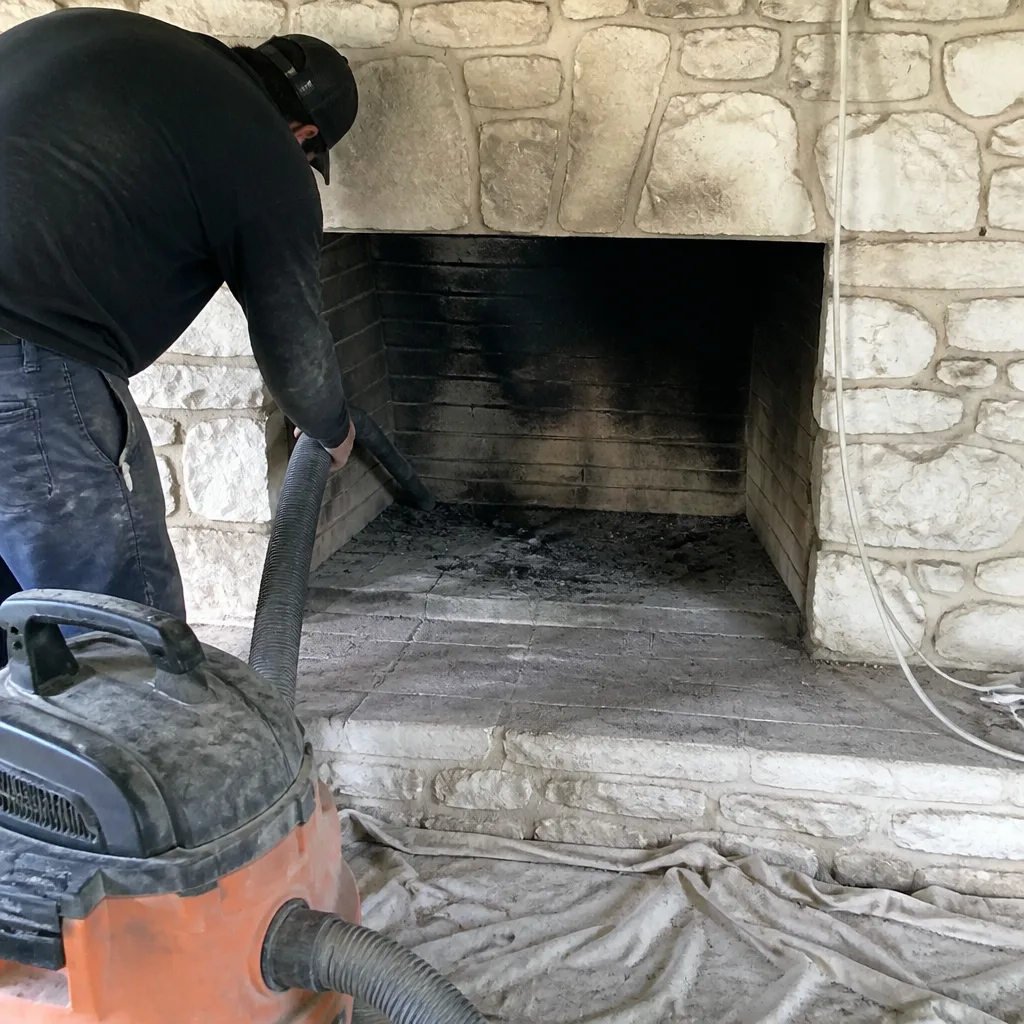 Before
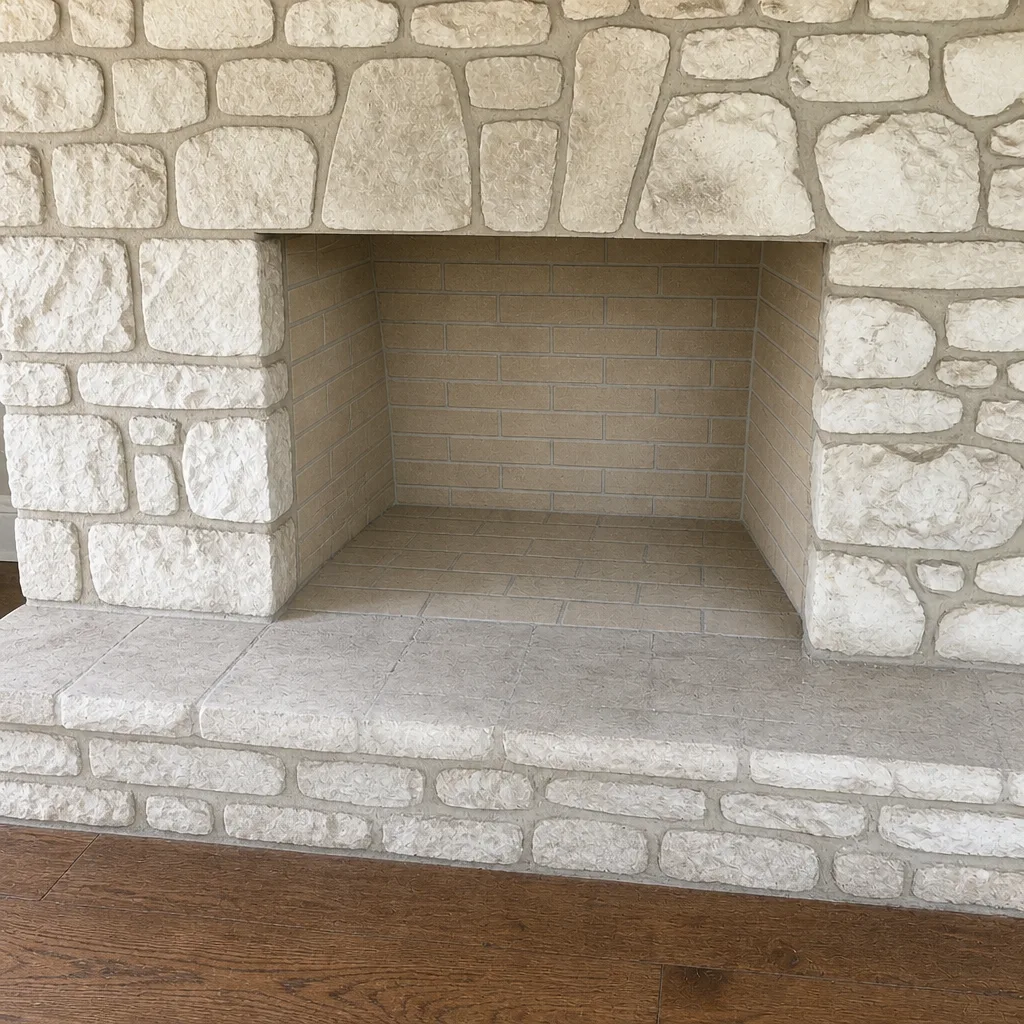 After
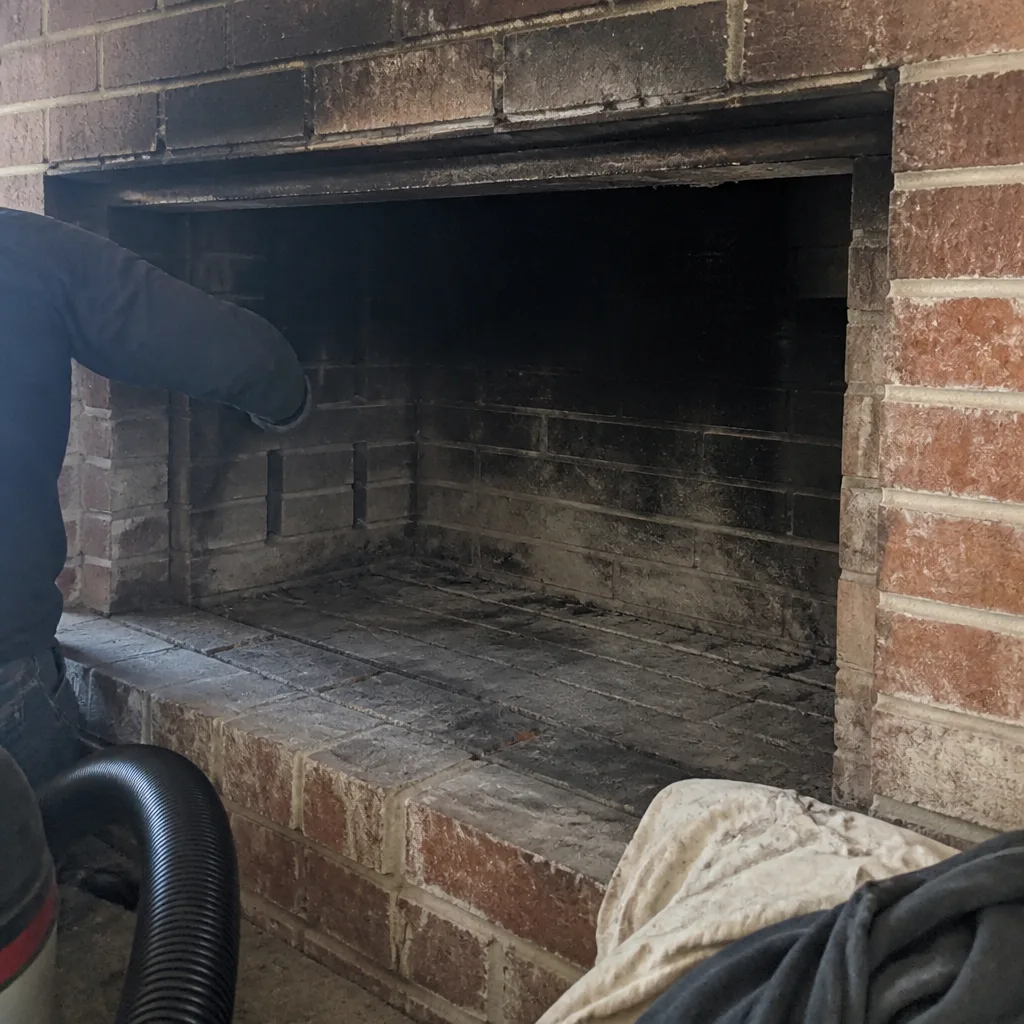 Before
 After
 Before
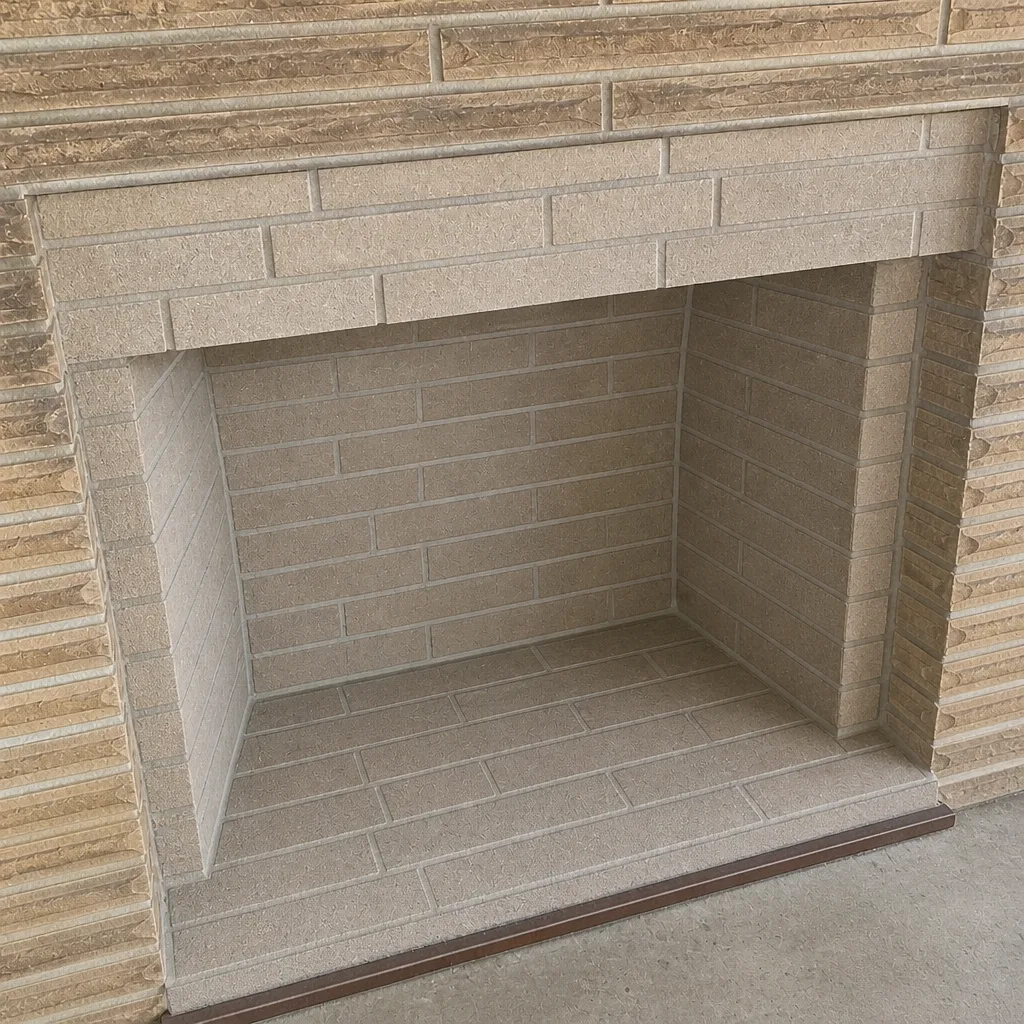 After
When to Call a Professional
Call a professional if your chimney has any of these: a flexible or damaged liner, a gas appliance flue, unknown history, visible Stage 2 or Stage 3 creosote, any sign of cracking or spalling, or a chimney that’s never been inspected. Also call if you’re not sure what’s in your flue – uncertainty is the reason to call, not a reason to guess. And call if it’s been more than a year since the last professional sweep or inspection, especially in an older Oak Cliff home where the chimney’s history is unclear. Chimney Sweep Oak Cliff offers free estimates in Oak Cliff. Call (888) 847-8540. We answer 24/7. Fast dispatch from 7am to 7pm, Sunday through Friday.
Frequently Asked Questions
A standard sweep with inspection typically falls in a moderate range that depends on the flue’s condition, access, and whether the chimney needs rotary cleaning for glazed creosote. The written estimate sets the final price, and the estimate is free. Call (888) 847-8540 for an exact quote – estimates are free.
Not always. A liner needs replacement when it’s cracked, deteriorated, or improperly sized, but HeatShield ceramic resurfacing can restore a compromised liner without tearing out the entire chimney. Nothing is recommended without camera evidence you can see for yourself. Call (888) 847-8540 for an exact quote – estimates are free.
Most chimneys should be swept and inspected annually, and more often if you burn heavily or notice draft problems. A lightly used fireplace may stretch to a longer interval if the flue is clean on inspection, but the inspection itself is the thing that decides. Call (888) 847-8540 for an exact quote – estimates are free.
Creosote accumulates whether or not you notice it, and Stage 2 and Stage 3 buildup is what fuels chimney fires. A clogged or damaged flue can also let carbon monoxide back into the home instead of venting it outside. Skipping a sweep doesn’t create a problem instantly, but it removes the inspection that would have caught one. Call (888) 847-8540 for an exact quote – estimates are free.
You can if your flue is straight, unobstructed, lightly used, and lined with a liner you know is intact, and if you have the right equipment – fiberglass rods, sized brushes, a HEPA vacuum, and drop cloths. If any of those conditions don’t hold, a professional sweep is the safer call. Call (888) 847-8540 for an exact quote – estimates are free.
We work with DuraFlex flexible liner systems, HeatShield ceramic resurfacing, Gelco and Famco caps and crowns, and Olympia Chimney and Copperfield components. These are professional-grade products specified for the job, not the generic hardware-store versions. A DuraFlex liner is sized and shaped to your specific flue, not forced to fit. Call (888) 847-8540 for an exact quote – estimates are free.
A DIY sweep leaves no third-party record of the chimney’s condition. If a chimney fire occurs and the insurer asks for maintenance history, a written professional inspection is the documentation that answers the question. It’s not a guarantee of coverage, but it’s a stronger position than a homeowner’s recollection. Call (888) 847-8540 for an exact quote – estimates are free.
The Bottom Line
DIY chimney sweeping has a real but narrow use case: a lightly used, straight, unobstructed flue with a confirmed-intact liner, swept with proper equipment and containment. For almost everything else an Oak Cliff chimney is likely to present – flexible liners, gas flues, unknown history, glazed creosote, or visible damage – a professional sweep with rotary cleaning, camera inspection, and a written report is the right call. The brush handles the creosote. The camera and the trained eye handle the things that start fires and let water in. If you’re not sure which case you’re in, that uncertainty is the reason to call. Our technicians have up to 12 years of experience, and we’ll tell you exactly what we found and what it means before we quote a repair.
Call (888) 847-8540 for a free estimate. We answer 24/7. Fast dispatch from 7am to 7pm, Sunday through Friday.
Written by the team at Chimney Sweep Oak Cliff.