
Last updated November 22, 2026
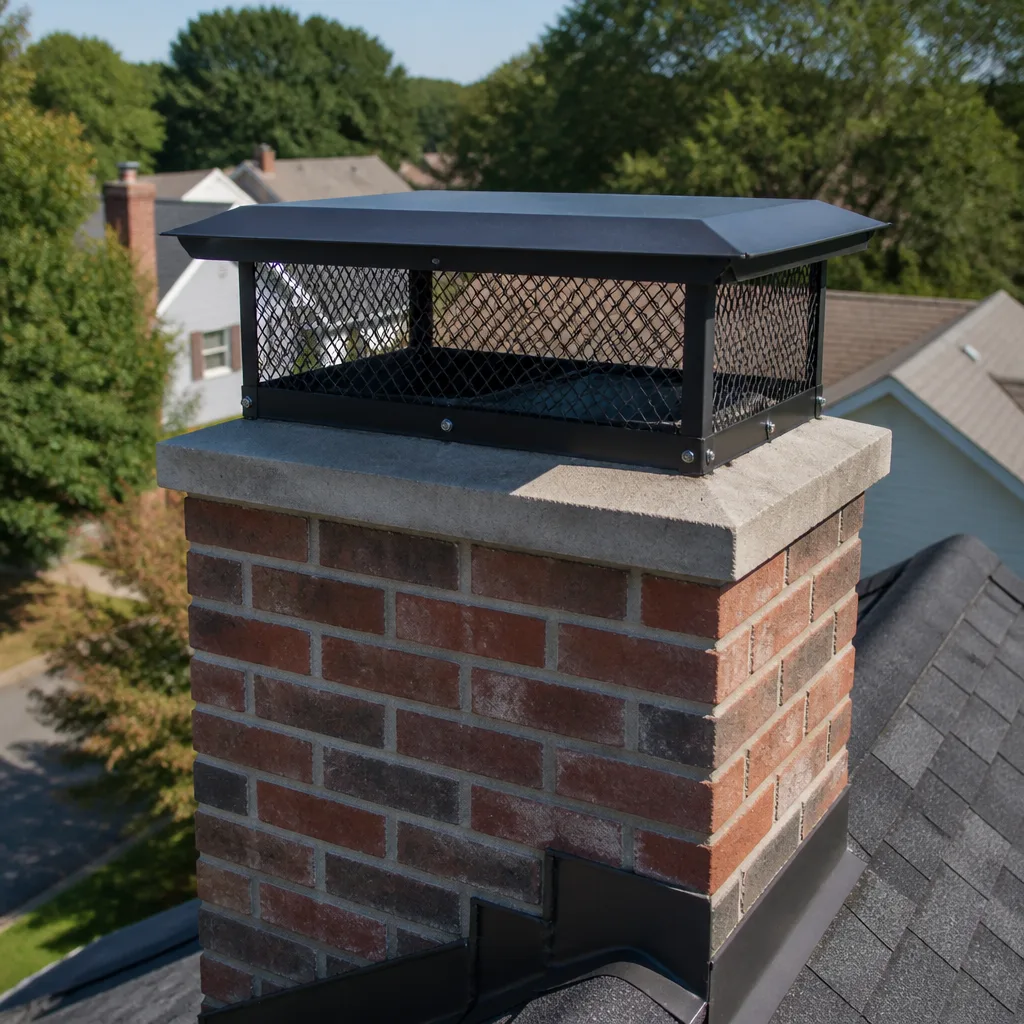 Sweep & inspection
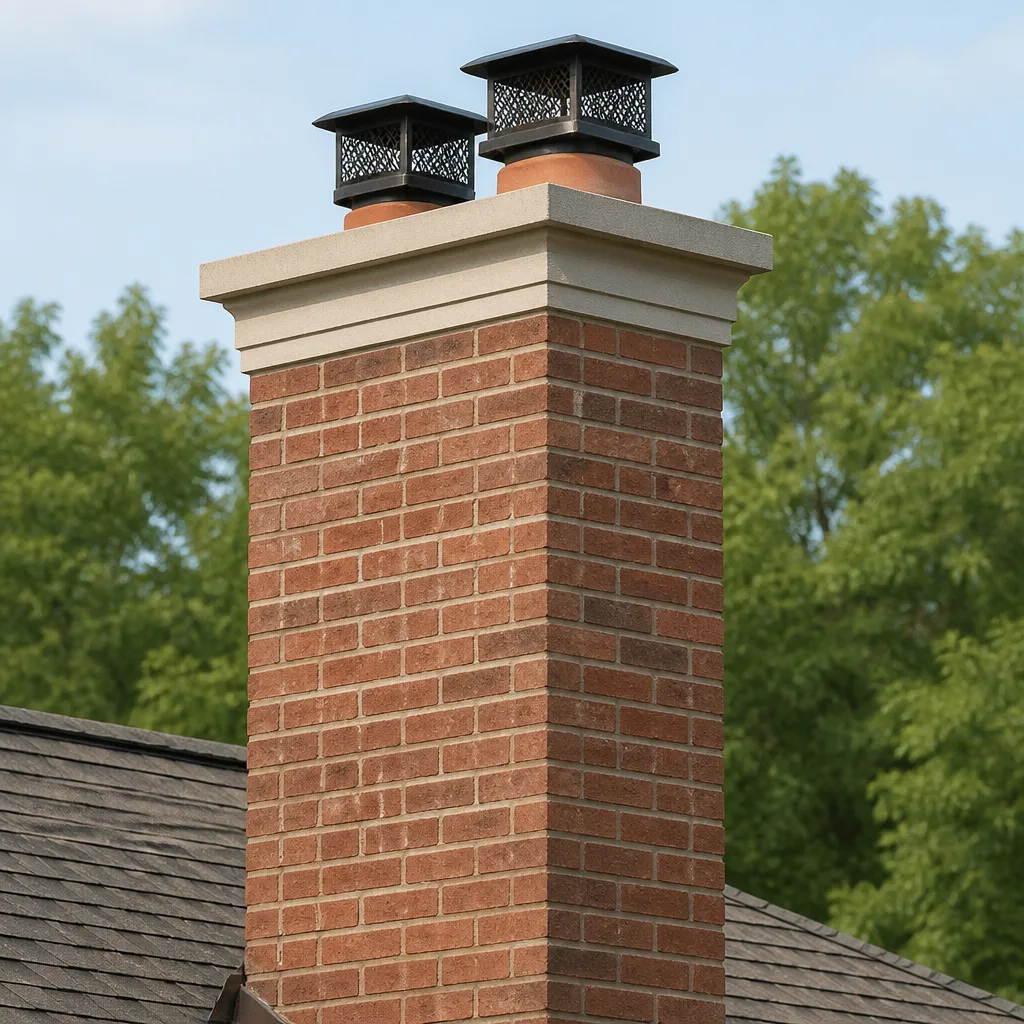 Caps & crowns
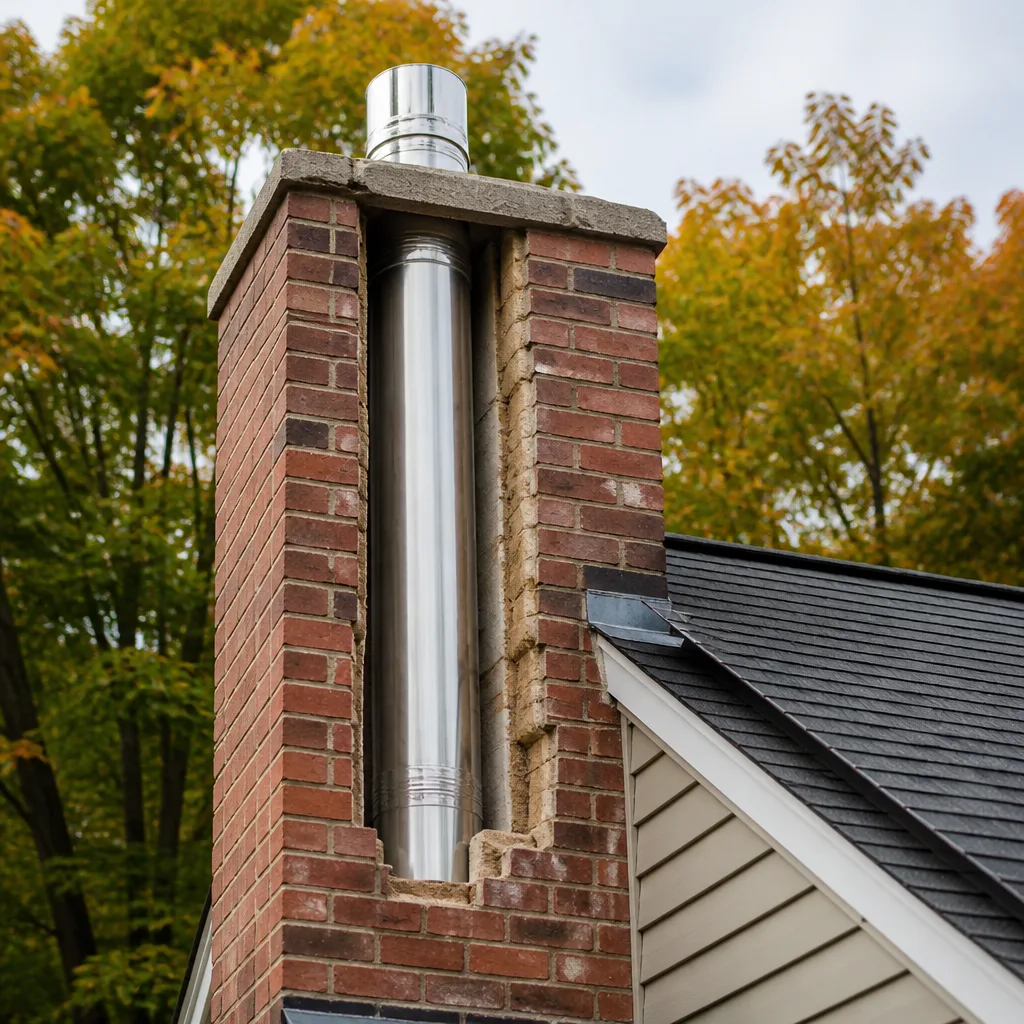 Flue relining
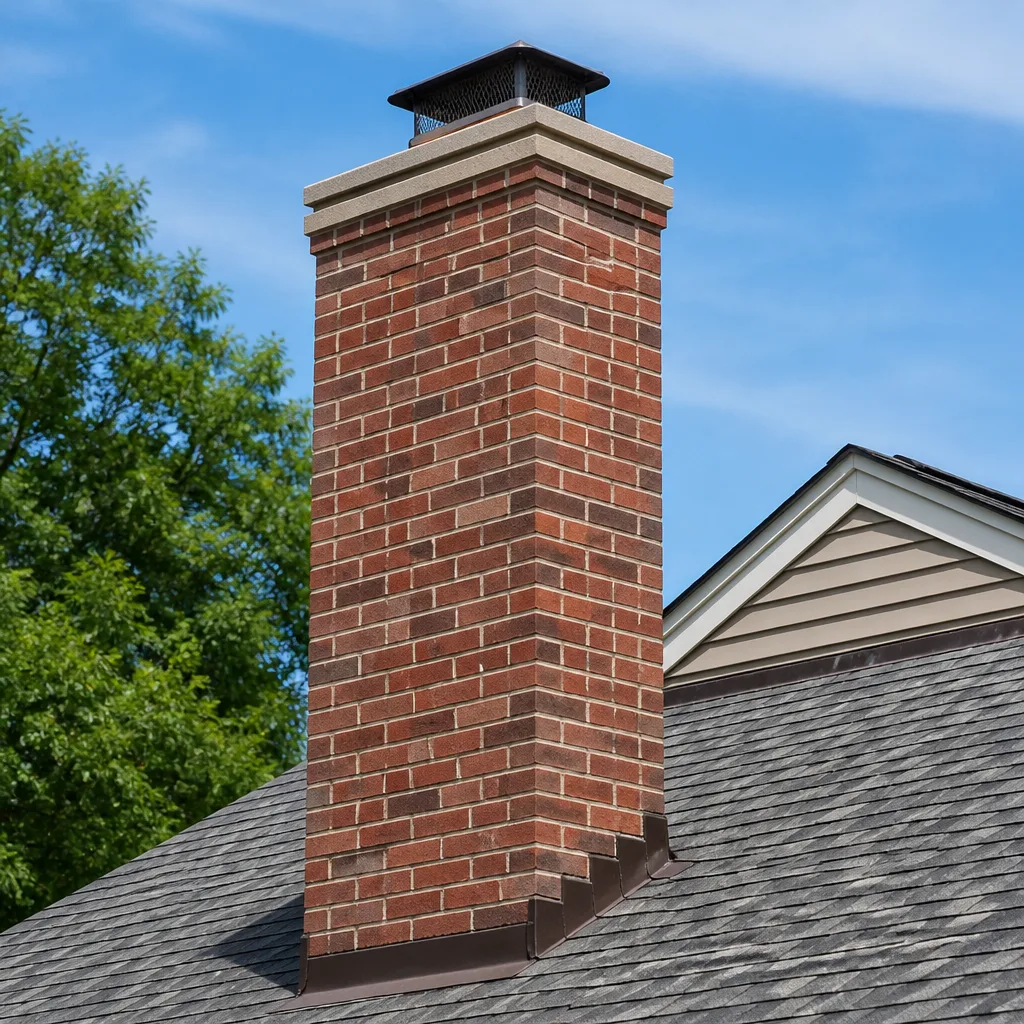 Masonry repair
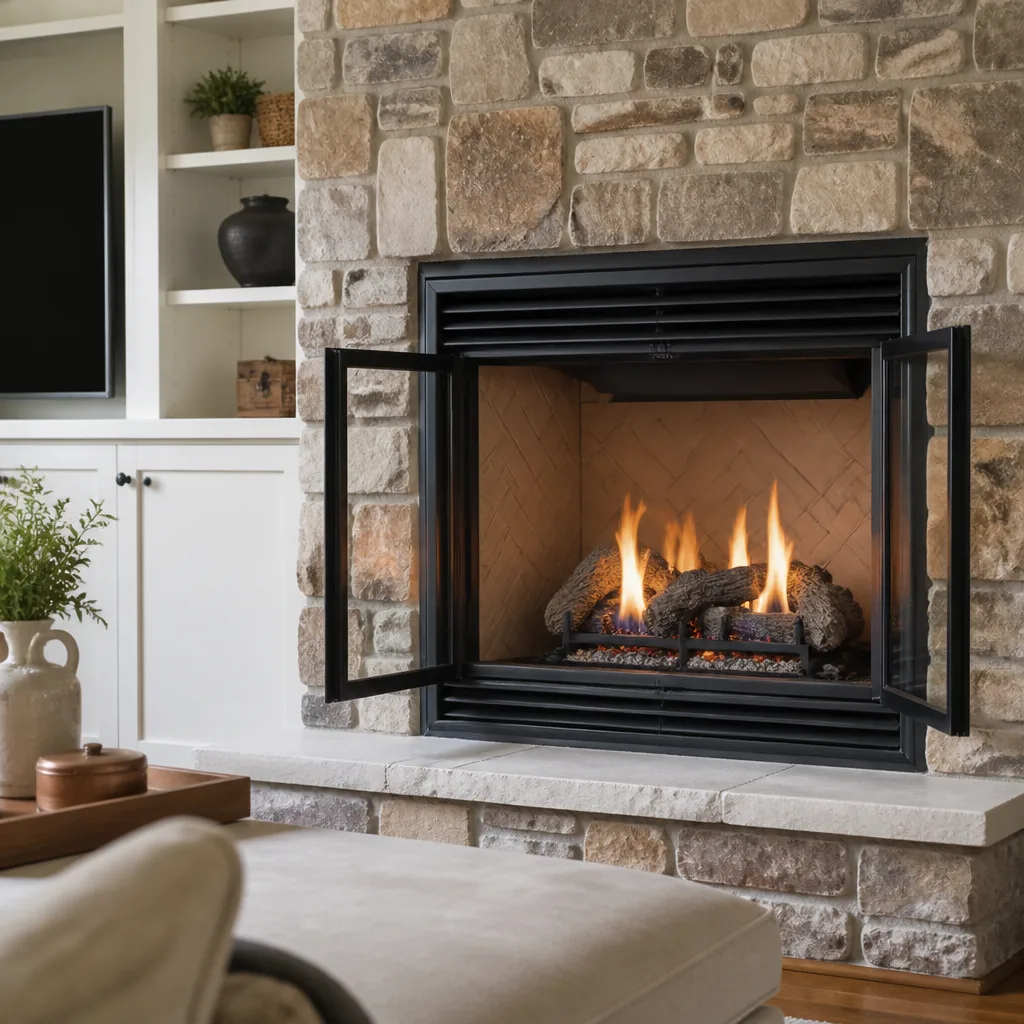 Gas fireplace service
Level 1 sweep and inspection to the NFPA 211 annual standard - flue, crown, cap, and flashing checked and photographed
Chimney sweep logs do not sweep chimneys. They loosen some creosote - which then falls where a brush and vacuum still have to collect it.
How to Hire a Chimney Cleaning Contractor in Oak Cliff: A Step-by-Step Guide
CSIA certification is the floor, not the ceiling. There are certified sweeps in the Dallas area who passed the exam but have never invested in a camera inspection system, which means they’re signing off on flues they can’t actually see. In Oak Cliff, where the housing stock runs from 1920s bungalows near Kessler Park to mid-century ranches out toward Red Bird, that blind spot matters more than most homeowners realize. This guide walks you through exactly what to verify before you let anyone on your roof: the certifications that count, the equipment questions that separate specialists from handymen, the insurance paperwork to request, and the red flags hiding in a too-cheap quote.
Quick Answer
Hiring a chimney contractor in Oak Cliff means verifying four things before you book: current CSIA Certified Chimney Sweep status (and NFI certification if you have a gas insert or stove), a Level 2 camera inspection offered as a separate line item, a closed-loop vacuum system, and a written certificate of insurance naming general liability and workers’ comp. Ask what materials they specify by brand for any repair. If a contractor can’t answer those four questions in plain language, keep looking.
Styles & brands we work with
- Sweep & inspection
- Caps & crowns
- Flue relining
- Masonry repair
- Gas fireplace service
Table of Contents
- Why Is the Oak Cliff Chimney Market So Crowded?
- What Certifications Should a Chimney Sweep in Oak Cliff Hold?
- Does the Contractor Use a Camera Inspection System?
- What Equipment Questions Should You Ask Before Booking?
- How Do You Read a Chimney Contractor’s Insurance Certificate?
- Why Does a Written Scope of Work Matter for Masonry and Relining?
- What Red Flags Should You Watch for in a Quote?
- The 10 Questions to Ask Before You Hire
Why Is the Oak Cliff Chimney Market So Crowded?
Oak Cliff has an unusual concentration of older masonry chimneys, and that draws every kind of contractor who owns a brush and a ladder. Handymen who do gutters and pressure washing in the same afternoon will quote a “chimney cleaning.” HVAC companies that install gas inserts will offer to “check the flue” while they’re on site. National franchise sweeps advertise full-service capability from a call center two states away, then subcontract the structural work they can’t perform.
The problem isn’t that these people are dishonest. It’s that most of them are equipped for cleaning only. A chimney is a system: firebox, damper, smoke chamber, flue, crown, cap. A contractor set up for sweeping has the brushes and the vacuum. A contractor set up for repair has the camera, the ceramic resurfacing materials, the flexible liner systems, the crown forms. Those are different toolkits, and the gap shows up the moment a sweep finds cracked mortar joints at the smoke shelf or a flue tile with a gap in the joint.
Oak Cliff homes tend to be older than the metro average, and many chimneys here have been through multiple owners with varying levels of maintenance. That makes the odds of finding something structural higher than in new construction. When you hire, you’re not just buying a cleaning. You’re buying access to someone who can identify a problem, explain it with evidence, and handle the repair without sending you to find a second contractor. That’s the standard worth holding out for in Oak Cliff.
One more local note: mild winters mean many Oak Cliff fireplaces sit unused for months, then get fired up hard during the first cold snap. Long dormant periods are when creosote hardens, animal nests appear in flues, and small cracks spread unnoticed. The busy season here isn’t driven by snow. It’s driven by the first genuinely cold week, which is why getting a sweep on the calendar before that week matters more than shopping on price once everyone else is calling.
What Certifications Should a Chimney Sweep in Oak Cliff Hold?
The CSIA Certified Chimney Sweep credential is the baseline in this trade. The Chimney Safety Institute of America administers an exam covering codes, venting, combustion, and inspection standards, and certified sweeps carry photo identification they should be willing to show you. If a contractor can’t produce current CSIA certification, stop there. Everything else in this guide assumes that floor is met.
Where it gets more interesting is the second certification, and it’s the one most homeowners never ask about. NFI, the National Fireplace Institute, certifies technicians by fuel type: wood, gas, or pellet. That distinction matters in Oak Cliff because a growing number of homes here have gas inserts or gas log sets installed in what was originally a wood-burning fireplace. A technician certified for gas work understands venting, combustion air, and the specific safety concerns of an appliance that produces carbon monoxide rather than soot and creosote.
Here’s what the two credentials actually cover:
- CSIA Certified Chimney Sweep – scope of the trade, inspection levels, venting principles, and cleaning standards. Every contractor you hire should hold current certification.
- NFI Gas – venting and safety for gas fireplaces, inserts, and log sets. Essential if your appliance burns gas.
- NFI Wood – solid-fuel appliance installation and venting. Relevant if you have a wood stove or high-efficiency wood insert.
- Manufacturer training – for specialist materials like HeatShield ceramic resurfacing, the contractor needs to be trained on that specific product. Training isn’t transferable between brands.
Ask directly: “Are you CSIA certified, and are you NFI certified for the fuel type in my fireplace?” A legitimate contractor answers without hesitation and can tell you which year they recertified. If you have a gas insert and your sweep has never heard of NFI, they’re a wood technician venturing outside their lane. That’s worth knowing before they touch your appliance. For a gas log set in particular, the wrong technician can leave a venting problem that puts carbon monoxide into the living space.
Does the Contractor Use a Camera Inspection System?
The three levels of chimney inspection come from the industry’s national standard, and knowing the difference protects you from paying for the wrong one. A Level 1 inspection is visual, done during a routine sweep, and covers readily accessible portions of the system. A Level 2 inspection adds a video scan of the entire flue interior and is required for real estate transactions, after a chimney fire, after an earthquake, or whenever a change in fuel type or appliance has occurred. A Level 3 inspection goes further, opening walls or removing parts of the chimney to access concealed areas.
Camera inspection is where the CSIA credential stops being enough. There are certified sweeps working in the Dallas area who passed the exam but haven’t invested in a camera system. They can sweep a flue clean. They cannot tell you whether the flue liner has a gap at a joint six feet down, whether a previous owner’s reline was done with the wrong adhesive, or whether the smoke chamber has deteriorated parging. Those defects are invisible from the top and from the firebox.
If your contractor recommends a reline, a chimney cap replacement, or masonry repair without having run a camera, ask them to complete the video scan first. A Level 2 inspection should show up as its own line item on the quote, not bundled invisibly into the sweep price. When you receive the findings, you should get a written report with images you can review and keep. In our experience, a contractor who films the flue and shares the footage is a contractor who expects to be held to what they show you.
For Oak Cliff homeowners, the case for camera inspection is straightforward. Older masonry chimneys in this area have often been through relining once already, sometimes correctly, sometimes not. Without a camera you’re trusting a contractor’s memory of what they felt with a brush. With one, you’re looking at the actual condition of your flue. That’s the difference between a cleaning and a diagnosis.
What Equipment Questions Should You Ask Before Booking?
Soot is fine. It travels on clothing. What you don’t want is an uncontrolled cloud of it settling into your living room carpet and drapery while a sweep works. The equipment that prevents this is a closed-loop vacuum system, the kind manufactured by companies like Dustless Technologies and Roto-Vision. These are HEPA-filtered units connected directly to the flue that maintain negative pressure in the firebox, so every particle the brush disturbs gets captured before it reaches your air.
Ask the contractor directly: “Do you use a closed-loop, HEPA-filtered vacuum, and is it connected to the flue during the sweep?” If the answer is “we use drop cloths” or “we’ve never had a complaint,” that’s a different level of service. Drop cloths are the fallback. A closed-loop vacuum is the standard.
Other equipment questions worth asking before you book:
- Do you have a camera system, and will I see the footage? Level 2 inspection capability, as covered above.
- What liner materials do you carry? Flexible liner systems like DuraFlex are sized and shaped to your specific flue, which matters in older Oak Cliff chimneys with irregular masonry. A contractor who works only with rigid inserts will have fewer options for a non-standard flue.
- Do you offer ceramic resurfacing for liner restoration? HeatShield is a specialist product applied to a compromised flue to rebuild a smooth, sealed surface without a full tear-out. It’s the kind of option a sweep-only operation can’t offer because they haven’t invested in the training and materials.
- Are your caps and crowns specified or generic? A cap is a moisture and wildlife barrier, and a cheap one rusts or blows off. Caps and crowns sourced from Gelco and Famco are commercial-grade and sized to the flue, not pulled off a hardware-store shelf.
- What’s the roof access method? Ladder, roof, or from inside? This connects to insurance, which we’ll cover next.
None of these are trick questions. A contractor equipped for the work answers them in a sentence each. A contractor equipped for cleaning will start improvising, and that’s your signal.
How Do You Read a Chimney Contractor’s Insurance Certificate?
Chimney work involves two risks most home service trades don’t carry: someone on your roof, and fire. Ask for a certificate of insurance before the appointment, not after. The certificate should show general liability coverage and, separately, workers’ compensation coverage. Both matter, and they cover different things.
General liability is what pays if the contractor damages your roof, breaks a flue tile, or causes a fire that spreads beyond the chimney. The coverage limit should be substantial enough to rebuild a chimney and repair associated water or fire damage; for roof-access trade work in Texas, an appropriate general liability limit is meaningful enough to matter, so ask what the limit is and confirm it isn’t a minimal policy. Workers’ compensation is what pays if a technician falls off your roof or is injured inside your chimney. Without it, an injured worker can pursue the homeowner. That’s the part most people forget to check.
Here’s what to verify on the certificate:
- Named insured matches the company on your quote – not a different business name, not an individual.
- General liability limit is stated – ask what it is and whether it covers roofing access and fire damage.
- Workers’ compensation is listed and active – the policy effective date should be current.
- Certificate date is recent – policies lapse, so a certificate from two years ago proves nothing.
- The certificate comes from the insurer or agent – not a copy the contractor typed up.
If a contractor can’t produce a current certificate, that’s not a paperwork delay. It’s a decision about who carries the risk on your roof, and the answer shouldn’t be you. Ask for it in writing before the appointment and keep it with your records. The local pro you hire through us is licensed and insured as their state requires, and we expect the same paperwork standard you should.
Why Does a Written Scope of Work Matter for Masonry and Relining?
A verbal agreement on “we’ll fix the mortar” or “we’ll put in a new liner” is impossible to hold anyone to, because nobody wrote down what “fix” and “new” mean. For any chimney repair beyond a routine sweep, you need a written scope of work that specifies the materials by brand, the quantity, and the standard the finished work will meet. This isn’t bureaucratic. It’s what protects you if the finished job looks nothing like the quote.
Here’s what a proper scope of work includes for a relining or masonry project:
- The repair method, named – “HeatShield ceramic resurfacing” instead of “liner repair.”
- The material and brand – “DuraFlex flexible liner” or “Gelco cap” instead of “a new liner and cap.”
- The dimensions and sizing – liner diameter, length, and the flue size it’s fitted to.
- The inspection findings that justify the repair – the camera report showing the defect being addressed.
- The finished standard – what the work will look like and how it will be tested or verified.
- The price and payment terms – broken out by line item, not a single lump sum with no breakdown.
Why brand-level specificity matters: FireGuard and SL-100 are industry-standard relay materials for certain chimney applications, and HeatShield is a specialist resurfacing product. A contractor who writes “new liner” is leaving room to install whatever’s cheapest as long as it fits. A contractor who names the product is committing to it. In Oak Cliff, where older masonry chimneys often need custom-fit liner solutions rather than one-size-fits-all rigid inserts, the difference is real. We use DuraFlex because the liner is sized and shaped to the specific flue, not forced to fit. You should expect your contractor to name what they’re installing.
What Red Flags Should You Watch for in a Quote?
Some red flags are obvious, and some are buried in the way a quote is structured. The ones below show up most often in Oak Cliff, where the older housing stock means more opportunities for a contractor to upsell a repair you may not need yet.
- A sweep who won’t quote a Level 2 inspection separately. If a video scan is bundled into the sweep price with no line item, ask why. A contractor who can’t itemize the inspection may not be running one.
- A reline recommendation before any camera inspection. This is the biggest red flag in the trade. A liner recommendation without video evidence is an opinion, not a finding. Ask to see the footage.
- A quote that specifies repair by cost, not by material. “We’ll reline for $X” tells you nothing. “DuraFlex liner, [diameter], fitted and tested” tells you exactly what you’re buying.
- No written findings after the inspection. A verbal report you can’t review later can’t be verified and can’t be held to. Ask for written findings with images.
- A contractor who suggests skipping the cleaning and going straight to a repair. A cleaning and inspection come first. The inspection tells you what repair, if any, is warranted.
- Pressure to book quickly because “the season is almost over.” Urgency in this trade is seasonal, not hourly. If the repair truly can’t wait, the contractor should explain what hazard it presents and why, with evidence.
- No equipment discussion. A contractor who never mentions their vacuum or camera is a contractor who doesn’t have the right ones.
The counterweight to all this is transparency. Nothing should be recommended without camera evidence you can see for yourself, and a good contractor will tell you plainly when a repair can safely wait until next season. A sweep who tells you the chimney is fine, shows you the footage, and books your next sweep is worth more than a quote full of add-ons.
The 10 Questions to Ask Before You Hire
Print this list or keep it on your phone. Ask each question before you book the appointment, and listen for whether the answers are specific or vague.
- Are you currently CSIA Certified Chimney Sweep certified, and can you provide the certification number?
- Are you NFI certified for my fuel type, and which (wood, gas, or pellet)?
- Do you offer a Level 2 camera inspection, and is it a separate line item on the quote?
- Will I receive a written report with images showing what you found?
- What vacuum system do you use, and is it closed-loop and HEPA-filtered?
- Can you show me a current certificate of insurance that names general liability and workers’ compensation?
- What brands of liner and cap materials do you install, and do you name them in the written scope?
- If the flue shows deterioration, what repair options do you offer: ceramic resurfacing, flexible relining, or full rebuild?
- Can you tell me now whether the work I need is urgent or whether it can safely wait until next year?
- What’s the price for the sweep, and what’s the price for the inspection?
A contractor who can answer all ten and back them up in writing is the contractor you want. For the sweep itself, our chimney sweep service in Oak Cliff follows the same standard we’re recommending here. If your inspection turns up cap or crown issues, our chimney cap & crown work is specified by brand so you know what’s going on your roof. And if the fireplace itself needs attention after the sweep, our fireplace repair covers the firebox, damper, and hearth components that keep a wood-burning fireplace working safely season after season.
Common Mistakes to Avoid
- Hiring on price alone. The cheapest sweep in Oak Cliff is usually the one without a camera, and without a camera you’re paying for a cleaning you can’t verify beyond the visible flue. Price matters, but verify equipment first and compare.
- Skipping the inspection because the sweep “looked fine.” A visual pass only sees the accessible portions. The flue interior and smoke chamber are where the dangerous defects live, and those need a camera to find.
- Accepting a reline recommendation without video evidence. This is the single most common way homeowners overpay in this market. Ask to see the footage of the defect before you authorize the work.
- Not asking about workers’ compensation. General liability gets all the attention, but it’s workers’ comp that protects you if someone falls off your roof. Ask for both.
- Letting a handyman “check the chimney while they’re here.” A handyman who also does gutters and painting isn’t equipped for chimney diagnosis. The toolkits aren’t the same.
- Signing a scope that says “repair as needed.” That phrase lets the contractor decide the scope after the fact. Insist on a fixed, line-item scope naming the materials by brand.
- Waiting until the first cold snap to book. Oak Cliff’s mild winters mean most fireplaces get fired up hard in the same week. Book before that week, not during it, when the schedule fills.
- Assuming the franchise means the full service. A national call center can book a sweep, but the structural work often gets subcontracted to whoever’s available locally. Ask who actually shows up and what they’re equipped to handle.
See the difference
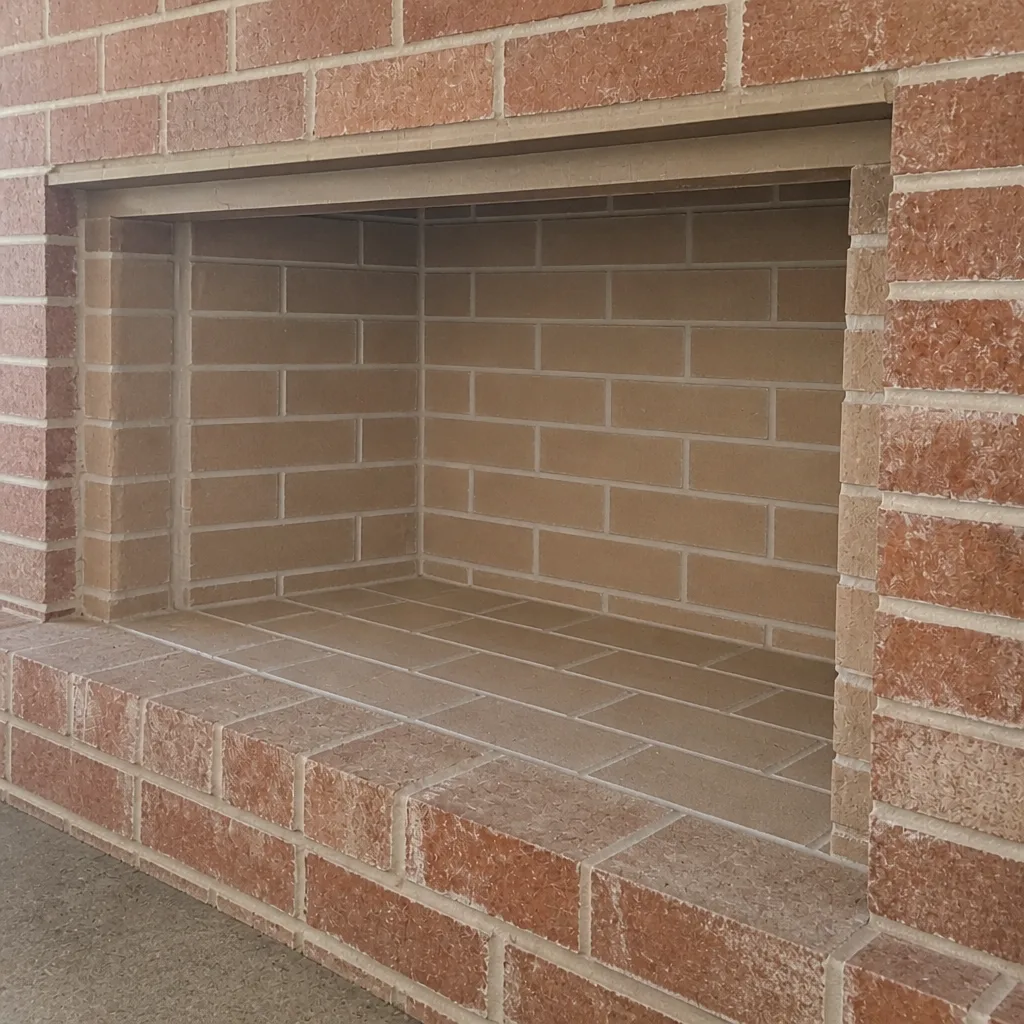
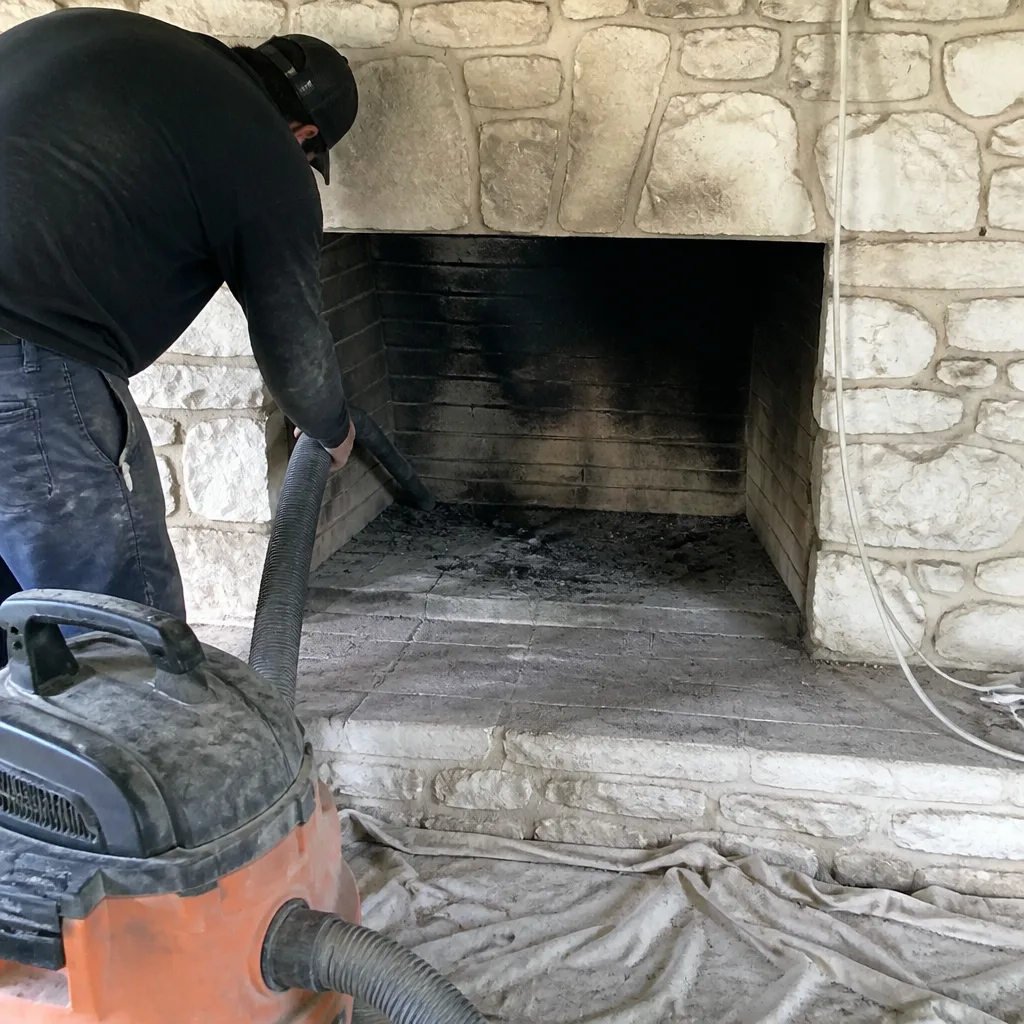 Before
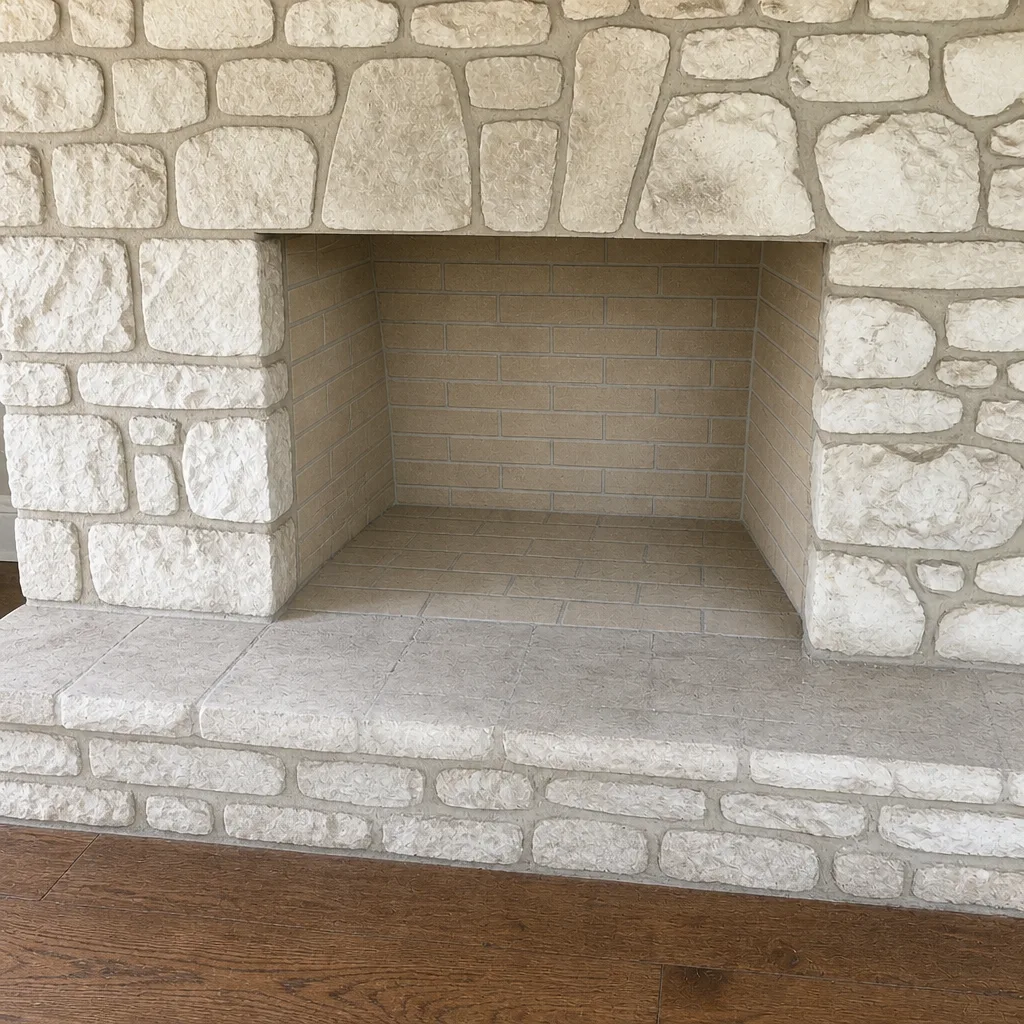 After
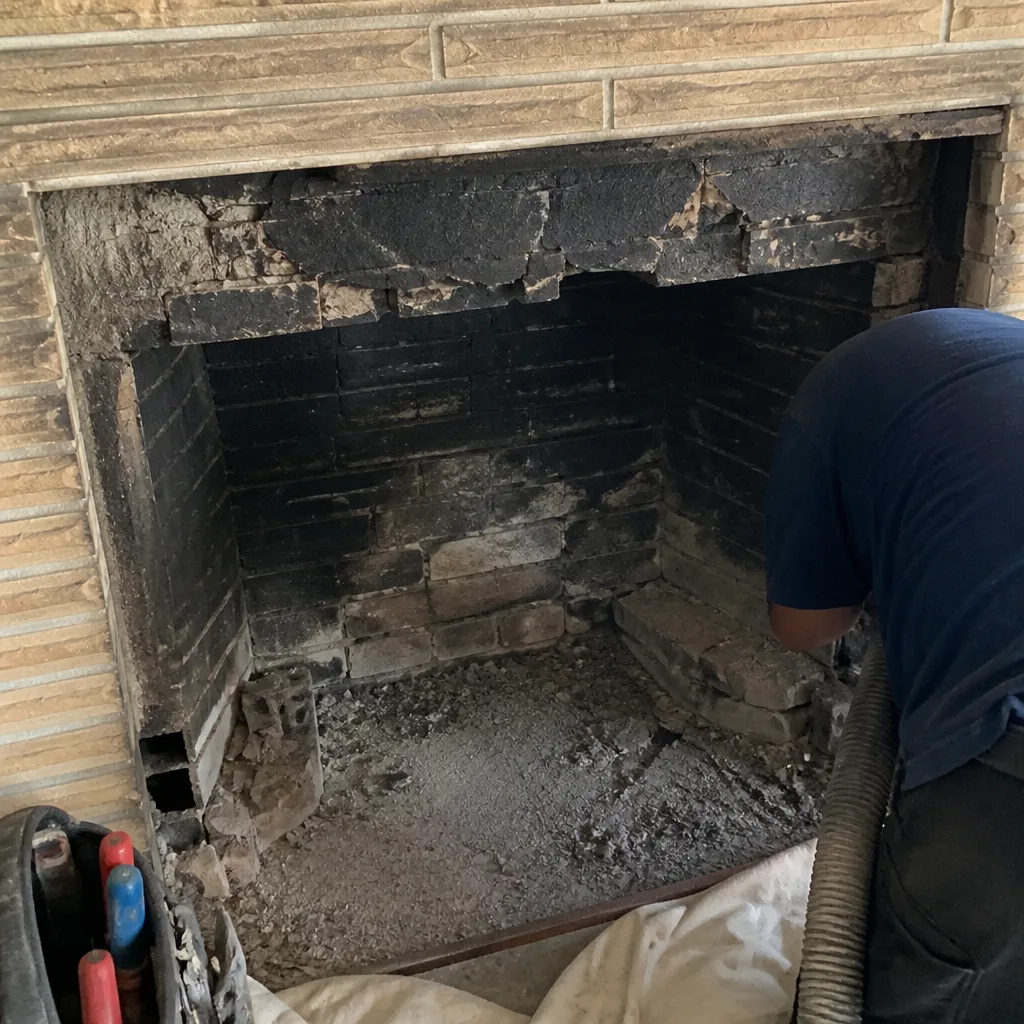
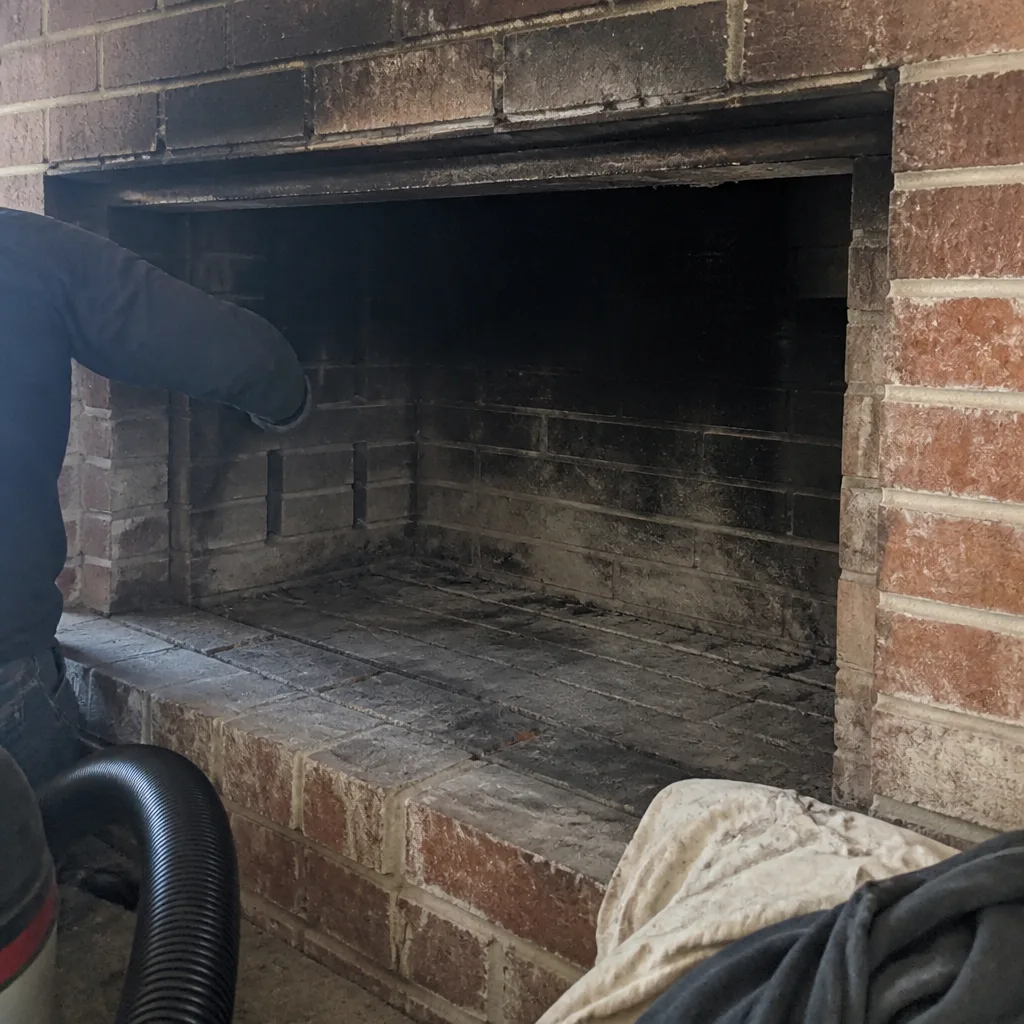 Before
 After
 Before
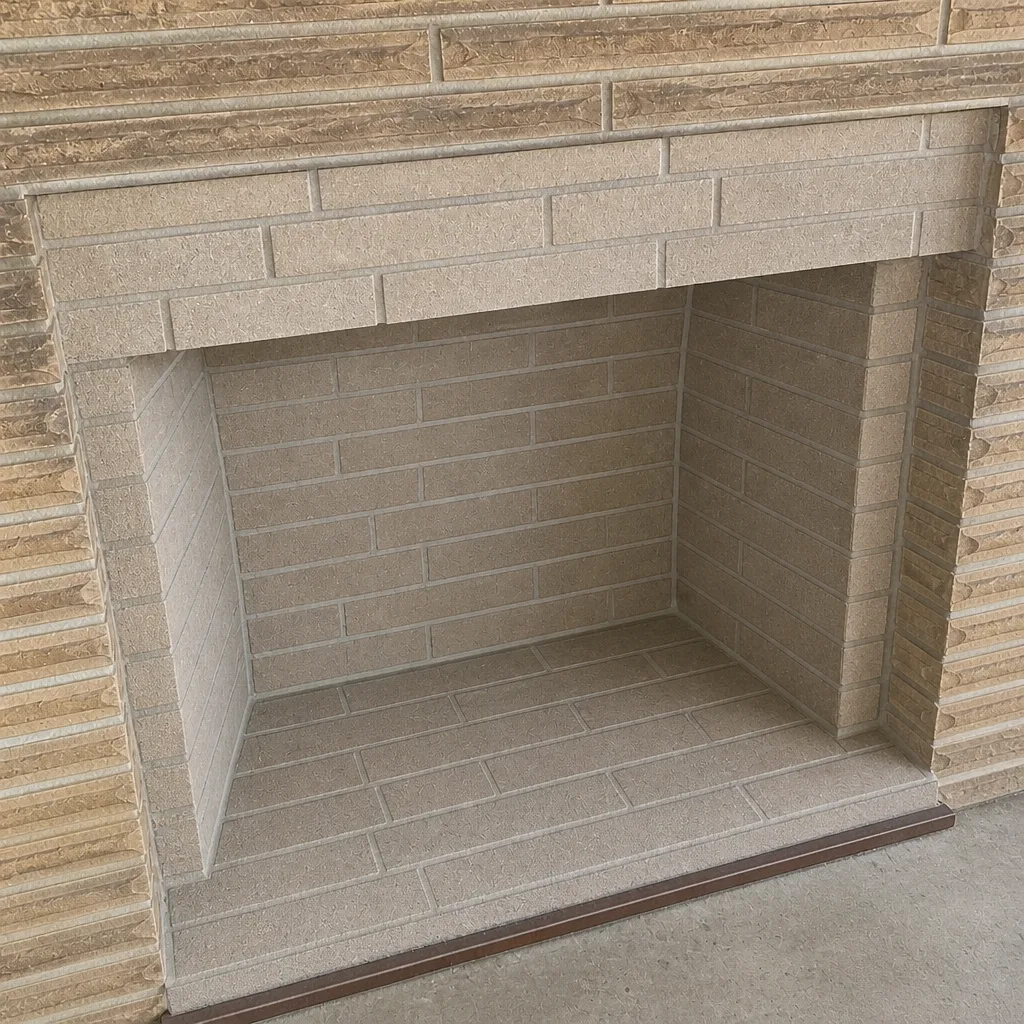 After
When to Call a Professional
Call a professional if you can’t remember the last sweep and you’ve been burning wood at all. Call before the first cold week if your fireplace has sat unused for a season, since animal nests and dried creosote build up during dormant months in Oak Cliff. Call if you smell smoke in the room when the fireplace isn’t lit, since that points to a venting or pressure problem a camera can identify. Call if the fire burns poorly, the glass on a gas insert fogs, or you notice staining on the exterior masonry near the flue. Call after a chimney fire even if it was small, since the flue tiles can crack invisibly and need a Level 2 inspection. Call before you buy a home with a fireplace, since the Level 2 inspection is the standard in that transaction. Never put off a call because of carbon monoxide symptoms such as headaches or a stuffy room when a gas appliance is running. Chimney Sweep Oak Cliff offers free estimates in Oak Cliff. Call (888) 847-8540. We answer 24/7. Fast dispatch from 7am to 7pm, Sunday through Friday.
Frequently Asked Questions
A standard sweep in the Oak Cliff area typically runs in the range of a few hundred dollars depending on the flue configuration and whether a camera inspection is included. Level 2 camera inspections are usually priced as a separate line item on the quote. The written estimate sets the final price, and the estimate itself is free. Call (888) 847-8540 for an exact quote – estimates are free.
You need a new liner if a camera inspection shows your existing liner is compromised, with cracked flue tiles, deteriorated joints, or missing sections that let heat and gases escape into the chimney structure. A liner in good condition with a smooth, sealed interior doesn’t need replacing just because the chimney is old. The only way to know which you have is to see the footage. Don’t accept a reline recommendation without it. Call (888) 847-8540 and we’ll show you what we find before quoting a repair.
Sweep annually if you burn wood regularly. That’s the industry standard and it’s what keeps creosote from accumulating to the point where a spark can ignite it. Gas appliances need an annual inspection even though they don’t produce creosote, since venting problems and blockages are the concern with gas. If you burn only occasionally, annual inspection still makes sense, because problems in the flue aren’t visible from the room. Call (888) 847-8540 to put a sweep on the calendar before the cold season.
Skipping a sweep lets creosote build up in the flue, and creosote is flammable. A chimney fire can start from a single hot ember in a heavily coated flue, and many chimney fires go undetected by the homeowner until a later inspection finds the cracked tiles. With a gas appliance, skipping inspection risks carbon monoxide entering the living space from a blocked or compromised vent. Both are serious and both are preventable with an annual sweep and inspection. Call (888) 847-8540 before the burning season starts.
No, and this is the misconception worth correcting. CSIA certification proves the contractor passed the industry exam on venting, codes, and inspection standards. It does not require them to own a camera inspection system. There are certified sweeps in the Dallas area who clean flues without one. Ask specifically about the camera system and whether you’ll see the footage. Call (888) 847-8540 if you want a contractor equipped for Level 2 inspection from the start.
A handyman can sweep a flue, but a sweep alone doesn’t identify the structural and safety issues a chimney can hide, and a handyman isn’t equipped to repair what a sweep finds. An HVAC company that installs gas inserts isn’t a chimney specialist either, and the venting and inspection standards for chimneys aren’t their core trade. For a chimney that’s a system rather than a chimney-shaped object, hire a specialist. Call (888) 847-8540 for free estimates in Oak Cliff.
The Bottom Line
Hiring a chimney contractor in Oak Cliff comes down to verifying four things before anyone climbs on your roof: current CSIA certification, NFI certification if you have a gas appliance, a camera inspection system offered as a separate line item, and a current certificate of insurance covering both general liability and workers’ comp. Ask what materials they specify by brand for any repair, and get the scope of work in writing. The Oak Cliff market has plenty of contractors with a brush and a ladder. Fewer have the camera, the equipment, and the training to diagnose and repair what a sweep turns up. Our Chimney Sweep Oak Cliff team works with CSIA-certified technicians who have up to 12 years of experience and the full toolkit: DuraFlex liners, HeatShield ceramic resurfacing, and caps from Gelco and Famco. We’ll show you exactly what we find and what it means before we quote a repair. If you have gas appliances or a fireplace that needs repair, we recommend a fireplace repair inspection alongside the sweep.
Contact
Ready to book a sweep or an inspection? Call (888) 847-8540 for a free estimate. We answer 24/7. Fast dispatch from 7am to 7pm, Sunday through Friday. Whether you’ve just bought a home with an older masonry chimney, or you’ve been meaning to book a sweep for two seasons and keep putting it off, a free estimate is the easiest next step. Our technicians will show you exactly what’s in your flue and tell you plainly what can wait and what can’t. Estimates are free, and the written estimate sets the final price.
Written by the team at Chimney Sweep Oak Cliff.