
Last updated November 22, 2026
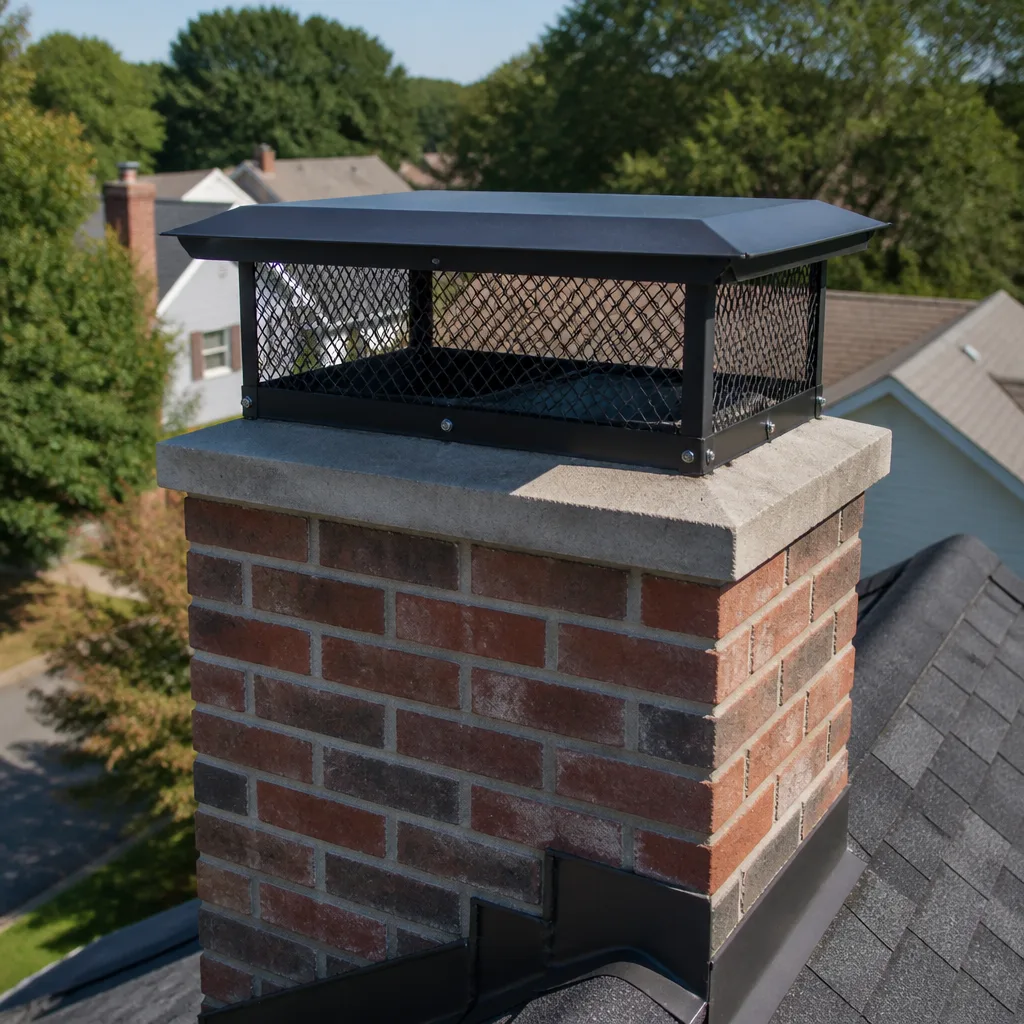 Sweep & inspection
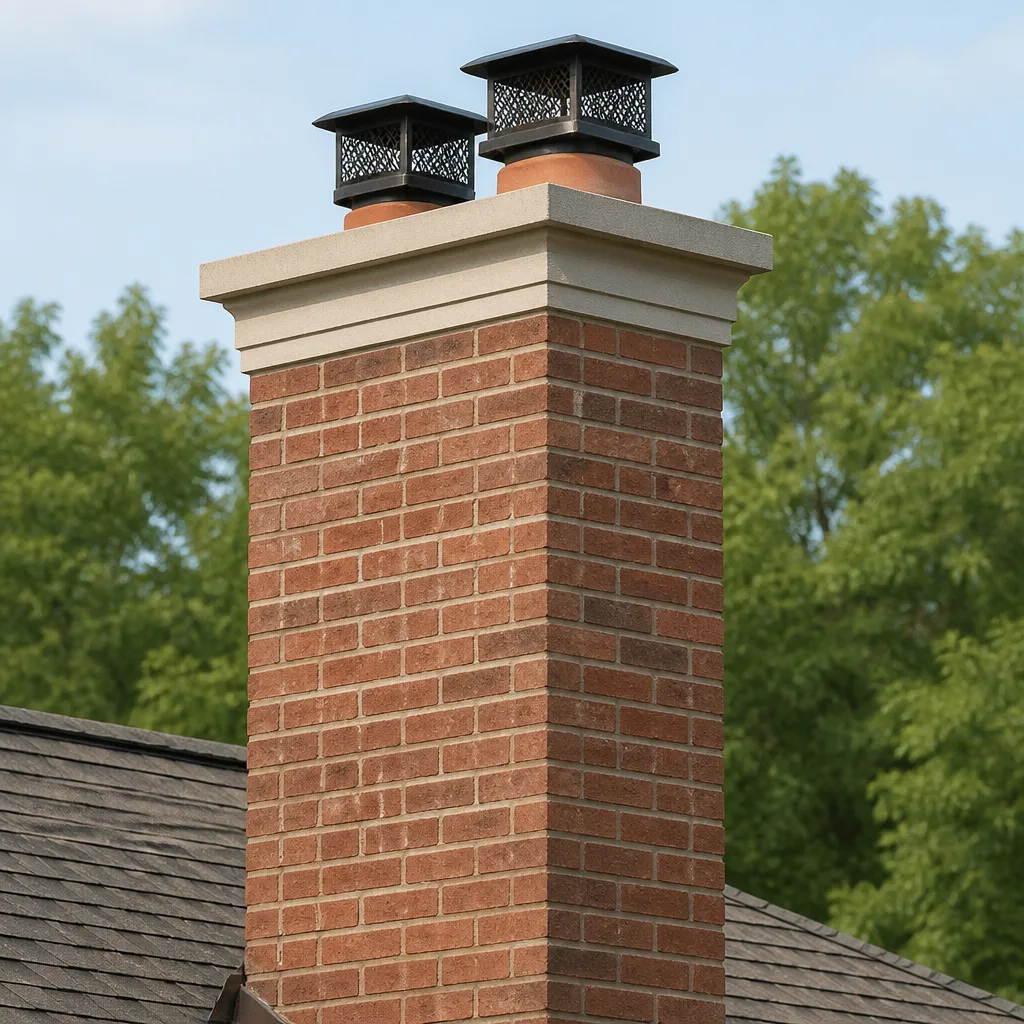 Caps & crowns
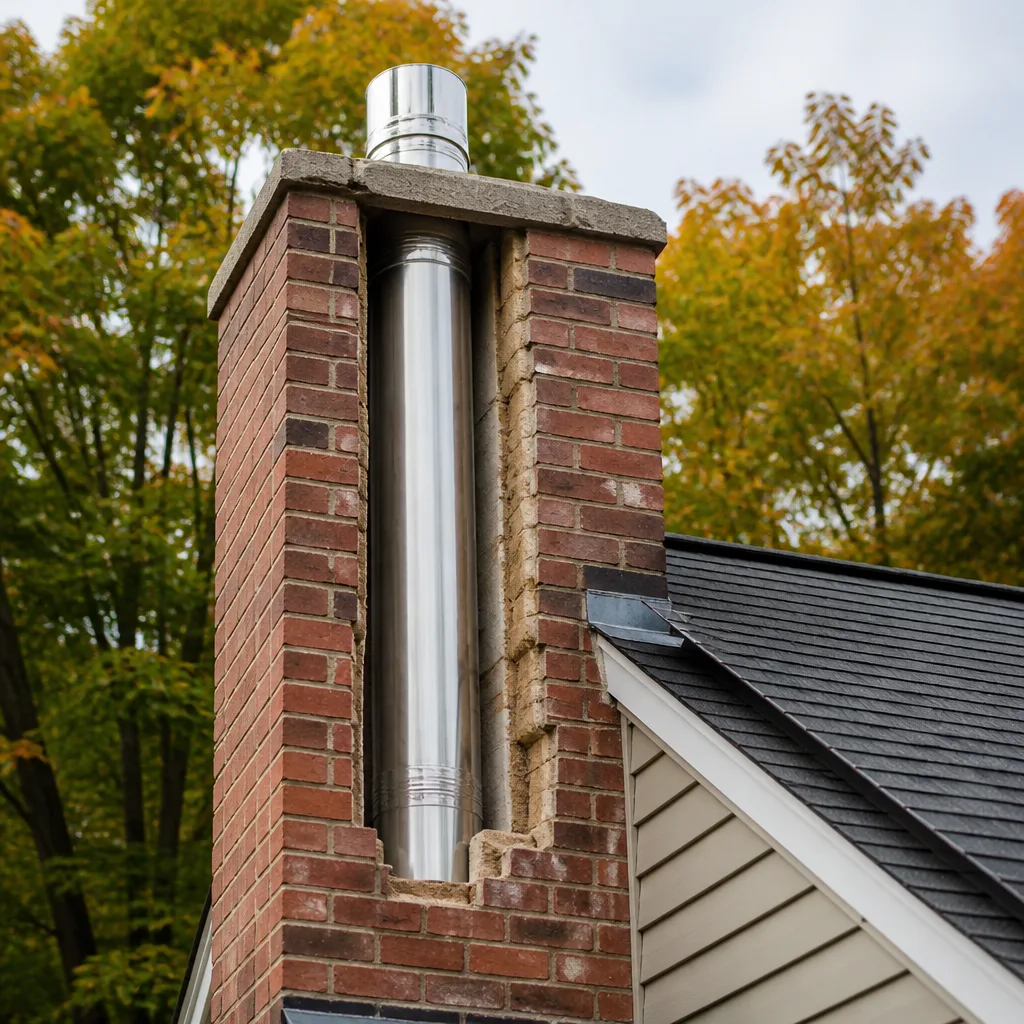 Flue relining
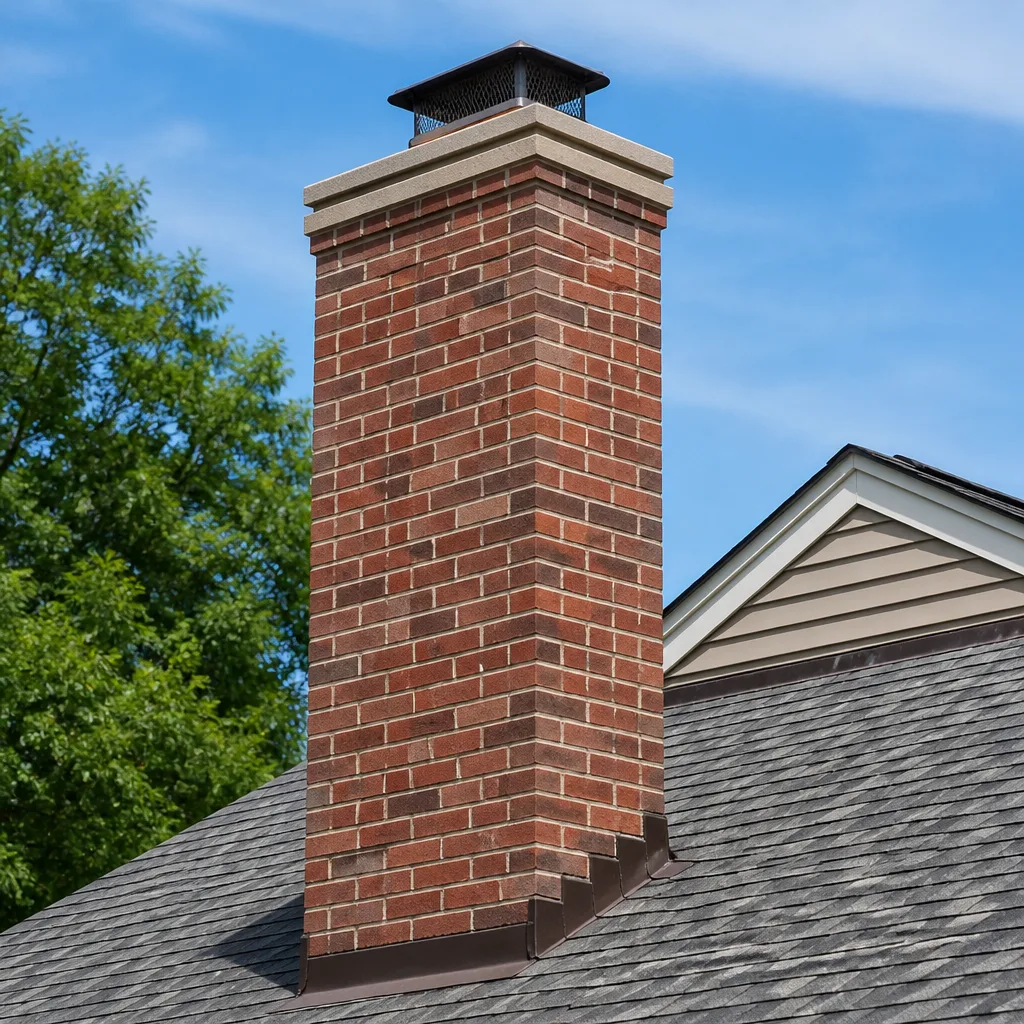 Masonry repair
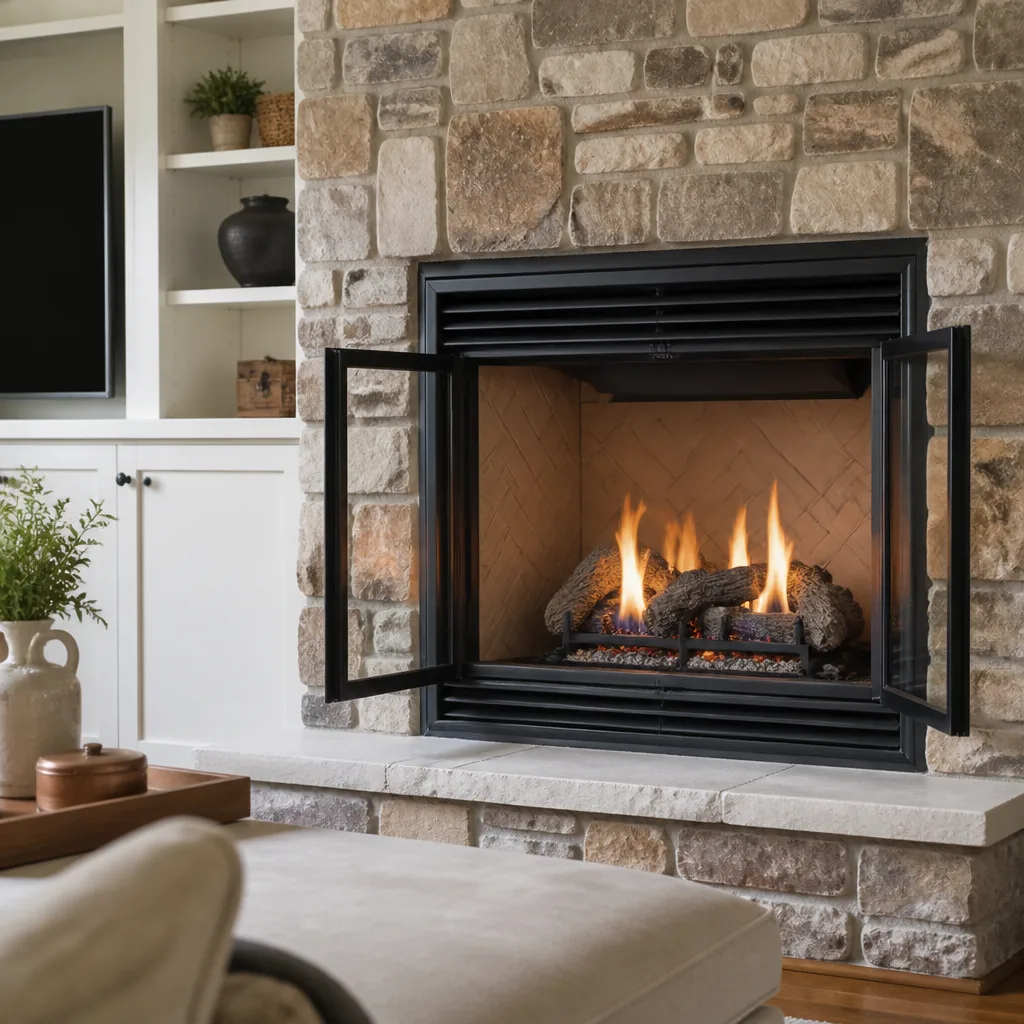 Gas fireplace service
Level 1 sweep and inspection to the NFPA 211 annual standard - flue, crown, cap, and flashing checked and photographed
Chimney sweep logs do not sweep chimneys. They loosen some creosote - which then falls where a brush and vacuum still have to collect it.
Chimney Sweep Maintenance Checklist for Oak Cliff Homeowners
Gas log fireplaces don’t make creosote, so plenty of Oak Cliff homeowners figure there’s nothing to sweep and skip the annual visit altogether. That reasoning holds right up until an inspector pulls a spider nest, a set of spalling liner tiles, or a dried-out gas gasket out of a flue that’s been “clean” for years. Whether your fireplace burns post oak and cedar elm, runs on a gas insert, or just sits there looking decorative, it has a maintenance rhythm of its own, and a national template won’t catch half of it. Below is a real checklist built around the way Oak Cliff chimneys actually live: hot, dry summers that cook mortar, storm seasons that rattle caps loose, and the mix of wood, gas, and decorative fireplaces sitting inside the same neighborhoods.
Quick Answer
A chimney in Oak Cliff should be swept once a year when you burn wood regularly, inspected once a year no matter what you burn, and checked from the ground for cap, crown, and flashing damage before the first fire of the season. Gas and decorative fireplaces still need that annual inspection even though they don’t produce creosote. The checklist below splits into wood-burning, gas log, and decorative tracks, then covers the North Texas exterior tasks most homeowners forget.
Styles & brands we work with
- Sweep & inspection
- Caps & crowns
- Flue relining
- Masonry repair
- Gas fireplace service
Table of Contents
- Why Oak Cliff Chimneys Need Their Own Checklist
- The Wood-Burning Track
- The Gas Log Track
- The Decorative Fireplace Track
- Pre-Season Tasks for North Texas
- How to Run a Homeowner Smoke Test
- The Exterior Components Everyone Overlooks
- What to Record After Every Visit
- Common Mistakes to Avoid
- When to Call a Professional
- Frequently Asked Questions
Why Oak Cliff Chimneys Need Their Own Checklist
Most chimney maintenance advice you’ll find online was written for a colder climate where the chimney spends half the year fighting ice and snow load. Oak Cliff doesn’t work that way. Our winters are mild, which is good news for the masonry, but our summers are long and punishing. Week after week of dry heat pulls moisture out of mortar joints and crown surfaces, and a crown that’s already hairline-cracked will only open further once the first cool-season fire heats the flue from below. The damage shows up slowly and quietly, and it usually gets noticed from inside the firebox after a rain.
Then there’s the fuel itself. Post oak and cedar elm are the two woods Oak Cliff homeowners most often have on hand, and both burn hot and leave behind a real creosote load when they’re not fully seasoned. Green or damp wood makes it worse. A chimney that sees a steady diet of either needs regular sweeping, not just an annual glance. Add the local housing mix, with older masonry chimneys sitting alongside newer gas-insert installs, and you get a maintenance picture that changes from house to house on the same block.
Our technicians have up to 12 years of experience working across these setups, and the pattern is consistent: the fireplaces that get skipped are rarely the wood-burners. They’re the gas and decorative units people assume don’t need anything.
The Wood-Burning Track
If you burn real wood, this is the track that matters most, and it’s the one with actual fire risk attached. Creosote builds up in stages, from a light soot film to a glazed, tar-like layer that’s genuinely flammable. That’s why an annual sweep isn’t optional maintenance for a working fireplace; it’s the whole point of it. A wood-burning chimney in regular seasonal use should be swept once a year, and more often if you’re burning frequently or using unseasoned wood.
Here’s the wood-burning checklist, in order:
- Sweep before the season, not after. Creosote sitting all summer on a hot roof bakes on harder. Clear it before the first fire.
- Inspect the flue liner. Look for cracked tiles, gaps at the joints, and any sign the liner has shifted. A compromised liner lets heat and combustion gases reach the framing, so this is the inspection point that can’t be skipped.
- Check the firebox for cracked brick and loose mortar. A firebox that’s spalling needs repair before you light another fire in it.
- Confirm the damper opens and seats fully. A damper that sticks open wastes heat; one that won’t open properly sends smoke into the room.
- Verify the cap, spark screen, and crown. Loose caps and cracked crowns are the two exterior faults we find most often on wood-burners.
- Look at the smoke chamber. The sloped section above the damper is where soot collects and where corbeled masonry is easiest to miss.
If the inspection turns up a damaged liner, the repair path depends on what’s actually wrong. A compromised clay tile can sometimes be restored with HeatShield ceramic resurfacing rather than torn out, and an irregular or older flue is a good candidate for a DuraFlex flexible liner, sized to fit the flue instead of forced into it. Both are professional-only products, which is a big part of why a real inspection matters: what we found determines what we quote.
The Gas Log Track
Gas log sets don’t make creosote, so the creosote argument doesn’t apply. That doesn’t mean the chimney stops needing attention. The vented flue on a gas log set still carries combustion gases out of the house, and the components around it still wear. The maintenance work simply shifts from soot to seals, connections, and the flue itself.
Your gas log checklist looks like this:
- Inspect the gas line gaskets and connections for deterioration. Dry, cracked gaskets are the most common gas-log fault we see, and they’re invisible unless you look.
- Check the flue for nests and debris. A vented gas flue is a favorite spot for spider nests and mud daubers because it’s warm and dry and stays open year-round.
- Look at the liner tiles for spalling. Gas heat still cycles the flue, and a spalling tile is a spalling tile whether wood or gas is feeding the heat.
- Confirm the vent is unobstructed. A blocked vent on a gas appliance is a carbon monoxide concern, not just a draft concern.
- Have the appliance serviced by a qualified gas technician. The burner, pilot, and gas supply are gas-appliance work, and that’s a trade we don’t cross into. We keep our scope on the chimney system, and we’ll say so plainly.
Here’s the thing about gas logs in Oak Cliff: they’re common, they’re convenient, and because they don’t smoke up the room, homeowners tend to treat them as self-maintaining. They aren’t. An annual inspection catches the gasket that’s about to fail and the nest that’s already blocking half the flue before either becomes a problem.
The Decorative Fireplace Track
A decorative, non-vented fireplace doesn’t connect to a flue at all, which means most of the chimney checklist doesn’t apply. Some decorative units in Oak Cliff are inserts set into an existing firebox that hasn’t been used as a real fireplace in years, and that’s where the useful work actually lives.
- Confirm what you actually have. If a decorative insert sits inside a masonry firebox, the chimney behind it still exists. It still needs an inspection, even if it’s not moving combustion products.
- Inspect the firebox and damper for deferred damage. A firebox that sat unused for years can build up its own problems: deteriorating mortar, cracked brick, a damper rusted in place.
- Check for animal intrusion. An unused flue with no cap is one of the easiest places for birds and squirrels to move into. Cap it from the top and the problem goes away.
- Keep the chimney structure on the same exterior schedule as every other chimney. Crown, cap, and flashing don’t care whether the fireplace gets used.
This is the track most people skip entirely, and it’s a genuine mistake. The chimney structure is still a chimney structure. If you decide to convert the fireplace back to wood-burning later, you’ll want to know what condition the flue is in before you start, not after.
Pre-Season Tasks for North Texas
The pre-season window in Oak Cliff runs from late summer into early fall, after the heat breaks and before the first fire. This is where local conditions really shape the list, because the summer you just came through has already done its work on the masonry. Here’s what to check before the season opens:
- Look for summer storm damage. High wind from a summer storm is the most common cause of a loose cap or a misaligned cap seam. Get on the ground and look at the cap from the yard with binoculars.
- Check the crown for heat cracks. The mortar crown on top of the chimney is exposed to full sun and dry heat all summer. Hairline cracks in a crown let water in, and that water finds its way down the flue.
- Inspect the flue throat for wasp and mud dauber nests. North Texas wasps and mud daubers love an open flue. A nest in the throat chokes draft and is a real fire hazard if it’s near the damper.
- Check the flashing where the chimney meets the roof. Flashing is a joint, and joints fail. Look for lifted edges and backed-out sealant on the roof side.
- Clear the chimney cap screen of debris. A clogged spark screen doesn’t just look ugly, it restricts draft and can push smoke back into the house.
- Confirm the damper operates. If it’s stuck after a summer of sitting, you want to find that out before the first cold front.
None of these tasks require you to get on the roof. All of them can be done from the ground with binoculars and a flashlight, which is exactly the right level of homeowner involvement. Anything that requires climbing is a professional job.
How to Run a Homeowner Smoke Test
Before the first fire of the season, you can verify that your chimney is actually drafting correctly without any tools at all. A simple smoke test tells you whether the flue is pulling air up and out, or pushing it back into the room. Do this outdoors or with a window cracked, and do it on a day without much wind so the result is meaningful.
Here’s the process:
- Open the damper fully and make sure it’s seated in the open position. A damper that looks open but is hung up on a pivot will fail this test every time.
- Hold a lit match or a rolled piece of paper, just smoking, inside the firebox and near the damper. Keep it low and let it sit.
- Watch where the smoke goes. A healthy flue pulls the smoke up and out. If the smoke drifts sideways, curls back down, or rolls into the room, the chimney isn’t drafting.
- Repeat the test after a few minutes. A cold flue may need to warm up before it drafts well. If the smoke still doesn’t rise, that’s a real fault, not a cold-flue quirk.
A smoke test that fails points to a few likely causes: a blocked flue, a nest in the throat, a cap screen clogged with debris, a stuck damper, or a house that’s too tight for the chimney to draw. All of those get resolved by a professional inspection. If the test passes, you’ve confirmed your chimney is ready to light, and that’s a nice thing to know before the first cold night.
A note on safety: don’t run the smoke test if you smell gas, and don’t run it on a gas log set without first confirming the gas is off. That’s the line between a homeowner check and a call.
The Exterior Components Everyone Overlooks
The interior of the chimney gets all the attention, but the exterior components are where most of the slow damage happens in Oak Cliff. The chimney cap is the top of that list. A cap keeps rain, animals, and debris out of the flue, and a failed cap lets all three in. A missing spark screen on a wood-burner is a fire risk on top of it. We source caps and crowns from Gelco and Famco because that’s the spec that holds up to a North Texas summer, not the hardware-store generic that rusts through in a couple of seasons.
The mortar crown is the next overlooked piece. It’s the sloped concrete cap on top of the chimney that sheds water away from the flue. A crown with heat cracks or a separated edge lets water in, and water is the beginning of most chimney problems we see. Crown repair or replacement is straightforward work when it’s caught early.
Then there’s the flashing. Flashing is the metal and sealant joint where the chimney meets the roof, and it’s the most common source of a chimney leak that isn’t a crown problem. The sealant products that hold up here are the pro-grade ones like Karnak 920 or FlashSeal. Hardware-store caulk on a roof joint in North Texas heat is a temporary fix that will fail again. When we look at flashing, we’re looking for backed-out sealant, lifted metal edges, and any sign that water has been moving under the flashing rather than over it.
The cap, the crown, and the flashing are the three exterior components we check on every visit, and they’re the three that catch most homeowners by surprise. You can see all three from the ground with binoculars, which is a good habit to build before the season starts. For the installation and repair side of that work, we handle chimney cap & crown as a dedicated service.
What to Record After Every Visit
This is the step almost nobody does, and it’s the one that makes a maintenance checklist actually useful over time. Liner wear is invisible unless you track it. A small crack at the flue joint in year one and a wider one in year three tells you something a single snapshot never will. Start a simple chimney log and keep it with the fireplace tools.
Record these details after every professional visit:
- The date of the visit and what was done (sweep, inspection, or repair).
- The inspection findings in writing. We provide written findings on every inspection, and the notes are worth keeping.
- Any liner observations. Note cracks, gaps, and spalling, and where they were found. A photo is worth more than a description here, so keep the ones we take.
- The condition of the cap, crown, and flashing. Note the date each component was last serviced or replaced.
- Whether repairs were recommended and whether they were done. This is the one that matters most next season, because it tells you what to watch.
- What fuel the chimney saw that year. A heavy wood-burning year means a sweep is due sooner.
Keeping the log is also how you avoid being sold work you don’t need. When we recommend a liner repair, you’ll have the past inspection notes in front of you. If the liner was fine and now it’s cracked, you can see the change for yourself. If nothing has changed, you’ll know that too, and you can push back. That’s the whole point of a written record.
Common Mistakes to Avoid
- Assuming a gas log fireplace doesn’t need an inspection. No creosote doesn’t mean no maintenance. The gaskets, liner tiles, and flue vents on a gas unit still wear, and a blocked gas flue is a carbon monoxide concern.
- Burning unseasoned post oak or cedar elm. Both are common Oak Cliff woods, and both produce heavy creosote when they’re damp. Season your wood fully and the chimney will thank you for it.
- Skipping the crown because it’s “not the chimney.” A cracked crown is the most common way water gets into a chimney in North Texas. Ignore it long enough and the liner pays for it.
- Treating a hardware-store cap as a permanent fix. A cheap cap rusts out and fails within a couple of seasons. Caps and crowns from Gelco and Famco cost a little more and last a lot longer.
- Doing a smoke test on a gas log set without shutting off the gas. A homeowner smoke test is safe and useful on a wood-burning fireplace. On a gas unit, confirm the gas is off first, or just call a professional.
- Waiting until the first fire to do the pre-season checks. The best time to catch a loose cap or a wasp nest is before the season opens, not the night you want to use the fireplace.
- Leaving the chimney log in your head. Liner wear is a slow story. Without a record, you can’t see the trend, and you’re relying on memory when a repair gets recommended.
When to Call a Professional
Some of this checklist is genuinely homeowner work: the ground-level look at your cap and crown, the smoke test, and keeping a log are all things you can do yourself, and they’re worth doing. But there are clear situations where a call is the right move. If the smoke test fails and the damper is open and the flue looks clear, the fault is deeper than you can see from below. If you find a cracked liner tile, a spalling firebox, or a gas gasket that’s dried out, those are repair decisions, not maintenance decisions. If the crown is cracked or the flashing is lifted, water is already getting in. If the cap is loose or the screen is gone, wildlife is already getting in. Any of those means it’s time to have a trained professional take a real look, because a chimney is a system and the fixes connect.
Chimney Sweep Oak Cliff offers free estimates in Oak Cliff. Call (888) 847-8540. We answer 24/7. Fast dispatch from 7am to 7pm, Sunday through Friday. We handle the sweep, the inspection, and any repair we find as one company, so nothing gets handed off to a subcontractor who never saw the original problem. When we quote a repair, we’ll tell you exactly what we found and why it needs doing, and if it can wait, we’ll say so.
Frequently Asked Questions
A wood-burning chimney in Oak Cliff should be swept once a year during regular seasonal use, and more often if you burn a lot or use unseasoned wood. A gas or decorative fireplace doesn’t need sweeping, but it still needs an annual inspection. Call (888) 847-8540 for an exact quote on a sweep or inspection. Estimates are free.
Yes. Gas logs don’t produce creosote, but they still need an annual inspection for dried-out gas line gaskets, spalling liner tiles, and blocked flue vents. Those are the faults that turn a “clean” chase into a carbon monoxide problem. Call (888) 847-8540 to book an inspection. Estimates are free.
A typical chimney sweep in the Oak Cliff area is quoted per job, and the written estimate sets the final price. We give free estimates and a flat-price sweep agreed before booking, so you know what you’re paying before we start. Nothing is quoted until we’ve seen the fireplace and the flue. Call (888) 847-8540 for an exact quote.
Not necessarily, and you shouldn’t take anyone’s word for it without seeing the evidence. A cracked clay tile can sometimes be restored with HeatShield ceramic resurfacing instead of a full rebuild, and an irregular flue is often better served by a DuraFlex flexible liner sized to the flue. The inspection and photo report tells you which applies, and you can look at the findings yourself. Call (888) 847-8540 for an exact quote. Estimates are free.
Skipping the visit doesn’t cause a problem overnight, but it removes the moment where problems get caught early. Creosote builds in stages and gets harder to remove the longer it sits. A cracked crown lets water in all summer. A dried gas gasket goes unnoticed until it fails. An annual inspection catches those when they’re still small. Call (888) 847-8540 to get one on the schedule. Estimates are free.
Yes, if you’ve run a passing smoke test, confirmed the damper opens, and looked at the cap and crown from the ground with nothing obviously wrong. If any of those checks fails, don’t light it. Have a professional look first. A smoke test that fails means the flue isn’t drafting, and that’s the wrong time to light a fire. Call (888) 847-8540 if you’re not sure what you’re seeing.
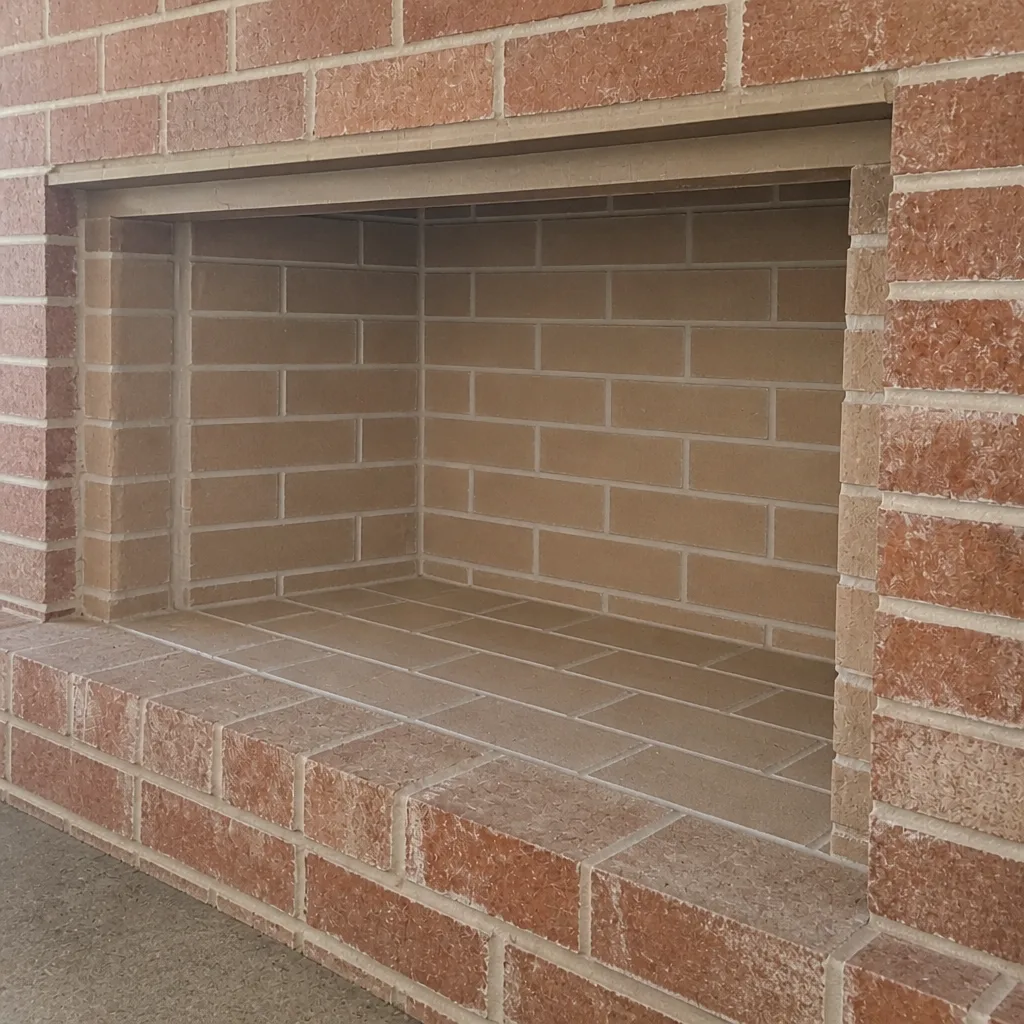
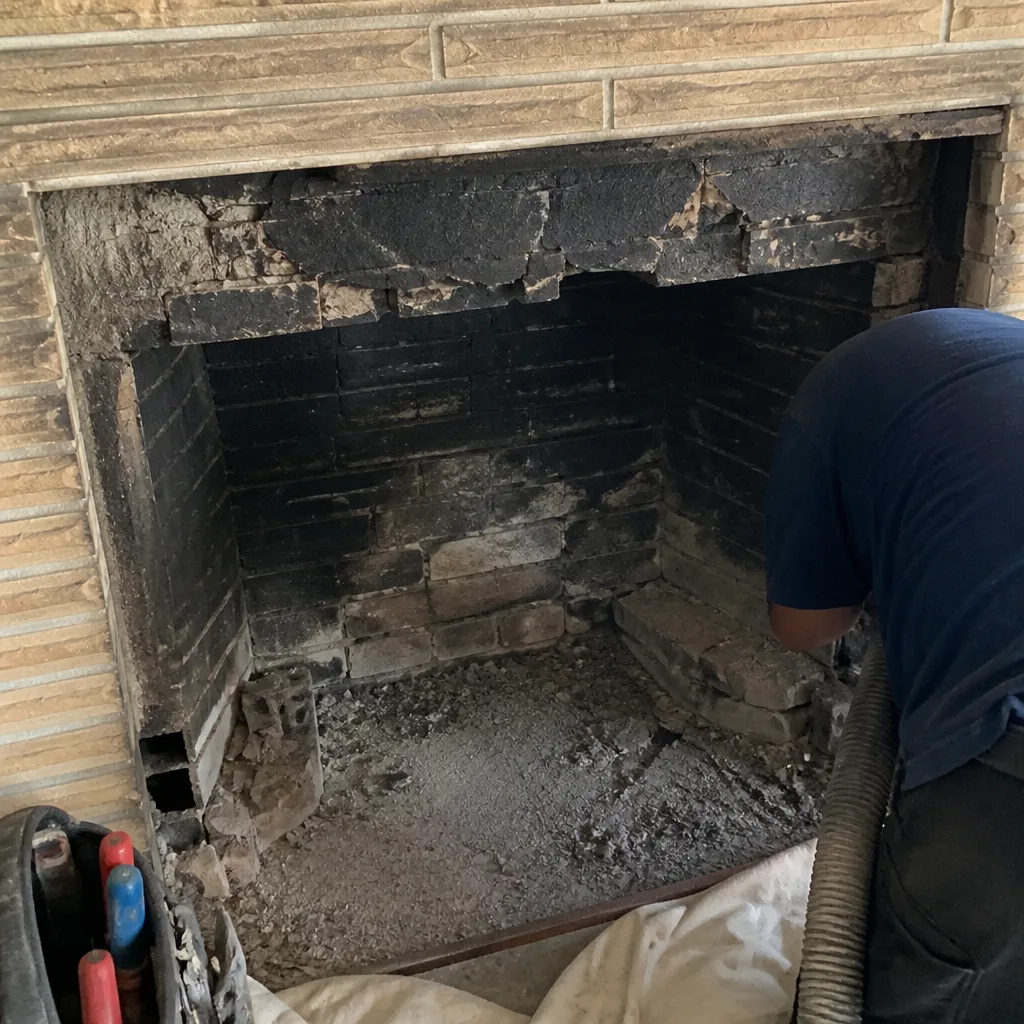
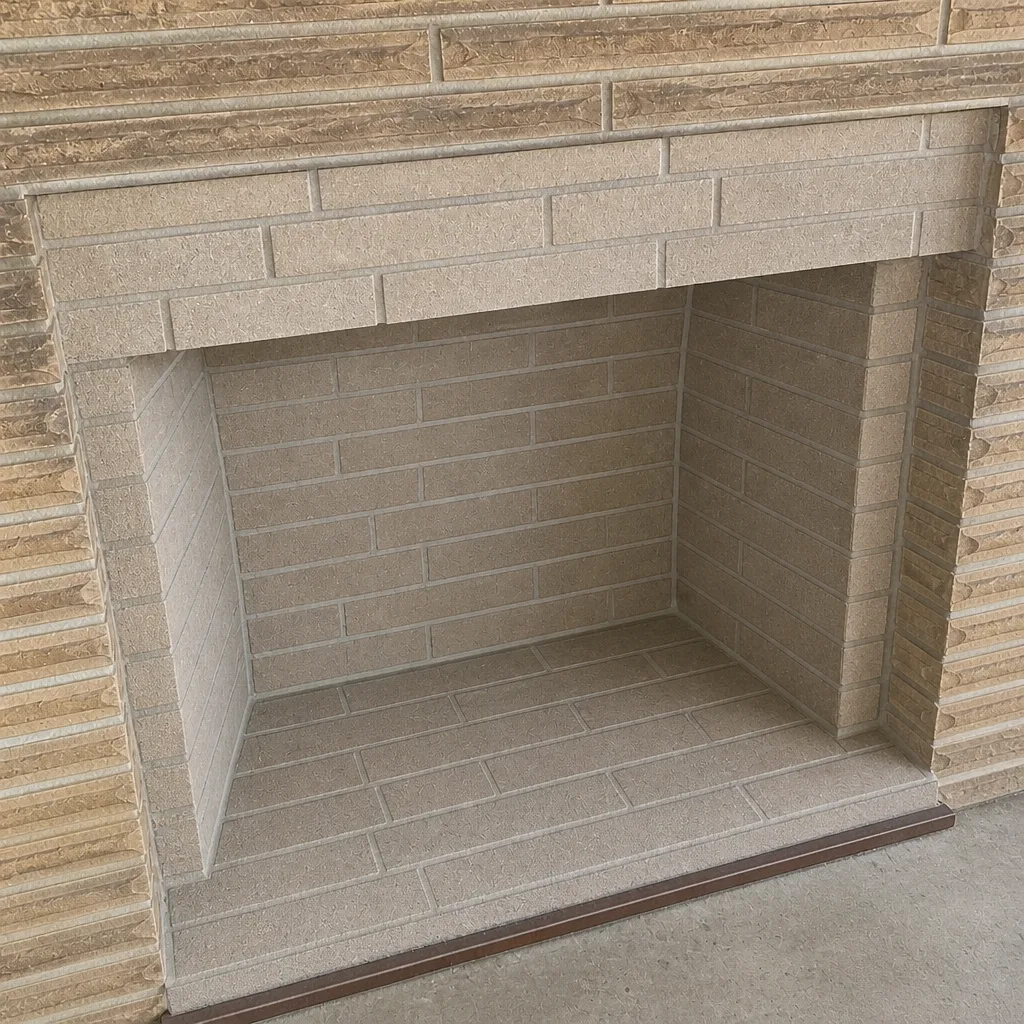
See the difference
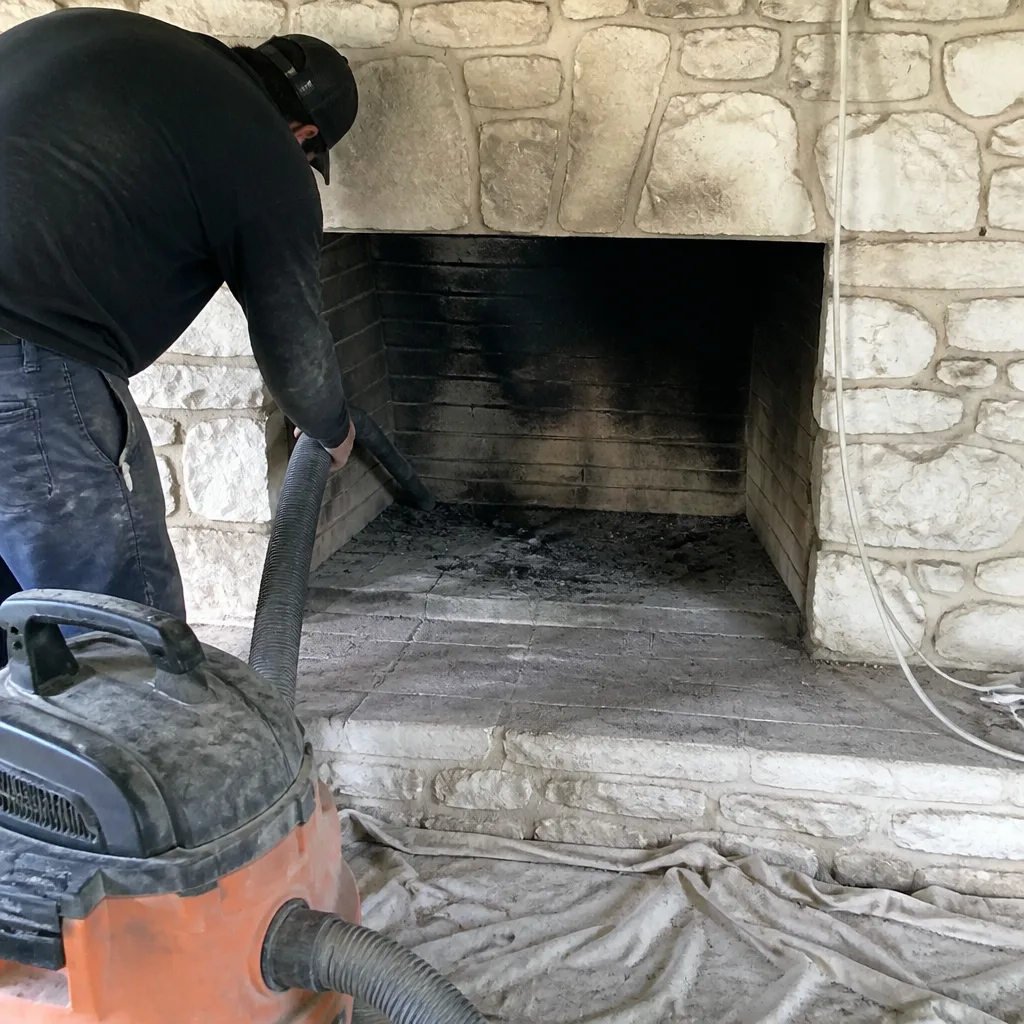 Before
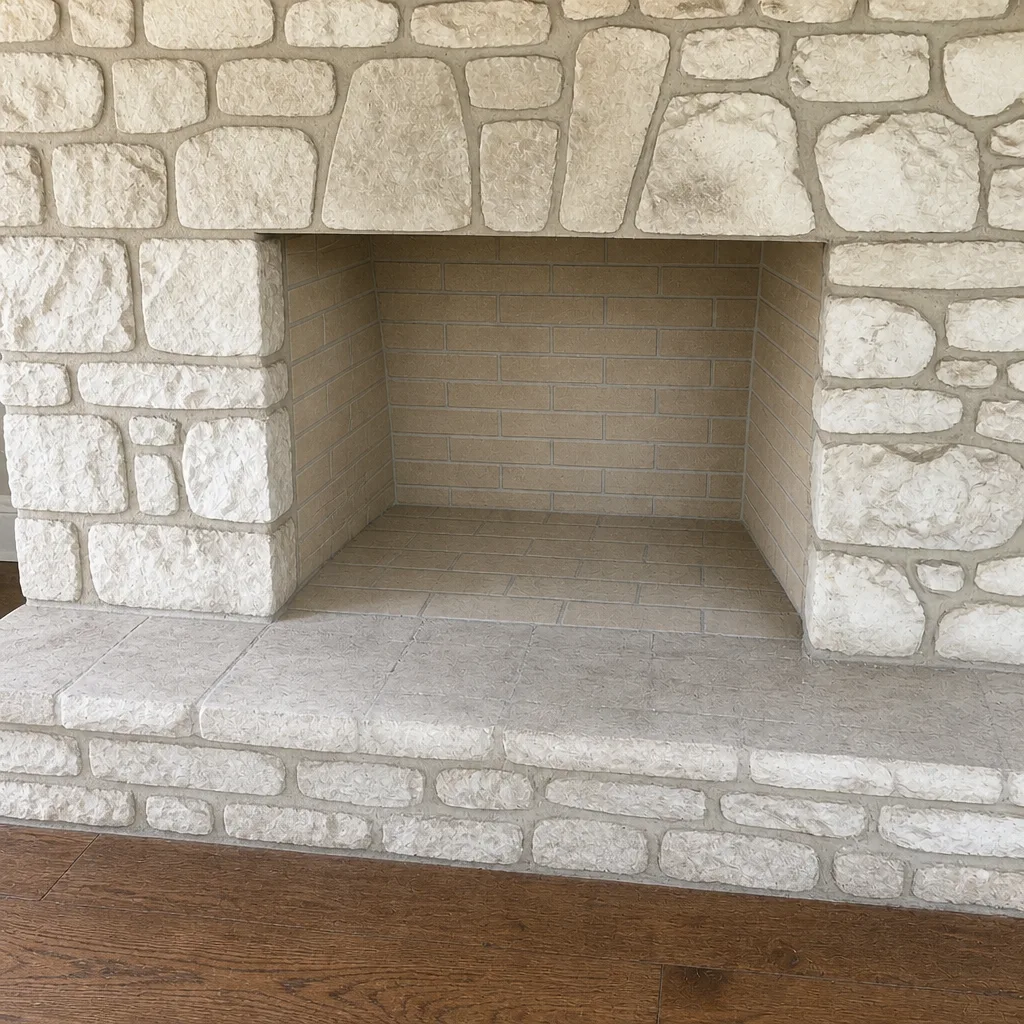 After
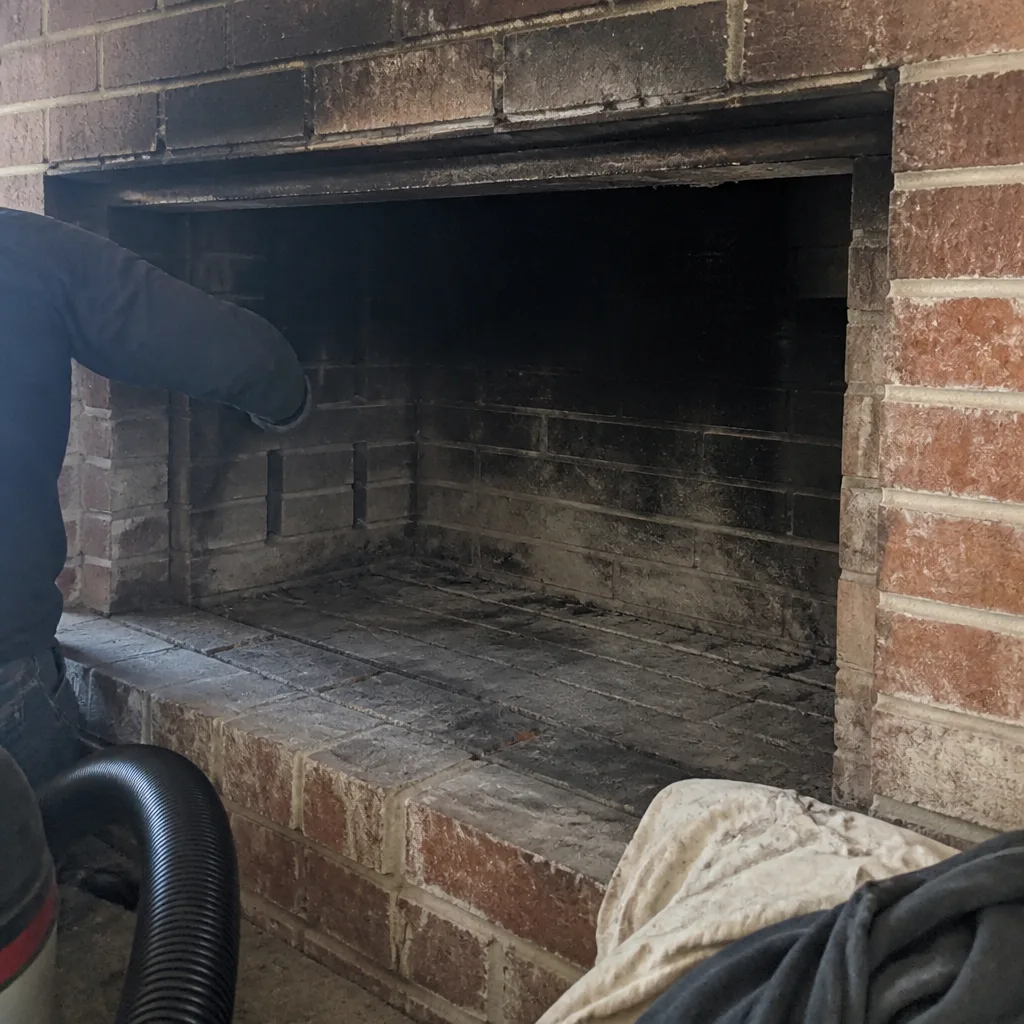 Before
 After
 Before
 After
The Bottom Line
Chimney maintenance in Oak Cliff isn’t a national checklist with the city name swapped in. It’s post oak and cedar elm creosote, dry summers that cook the mortar crown, gas log inserts with their own gasket and vent requirements, and a set of exterior components (cap, crown, flashing) that most homeowners never look at. Sweep the wood-burners annually, inspect everything annually, run a smoke test before the first fire, record what you find on every visit, and you’ll catch the small stuff before it becomes structural. Our technicians have up to 12 years of experience across all three fireplace types, and we handle the sweep, the inspection, and any repair we find. When you want a real look at your chimney, Chimney Sweep Oak Cliff is here, and a chimney sweep booked before the season is the easiest way to start. If your inspection turns up firebox damage, fireplace repair is part of what we do.
Contact
Call (888) 847-8540 for a free estimate. We answer 24/7. Fast dispatch from 7am to 7pm, Sunday through Friday. A call outside dispatch hours is booked into the next opening, Sunday through Friday, 7am to 7pm. When we come out, you get a sweep, a camera inspection with a photo report, written findings, and a flat price agreed before the work starts. If we find a repair, we’ll show you what it is and tell you plainly if it can wait.
Written by the team at Chimney Sweep Oak Cliff.