
Last updated November 22, 2026
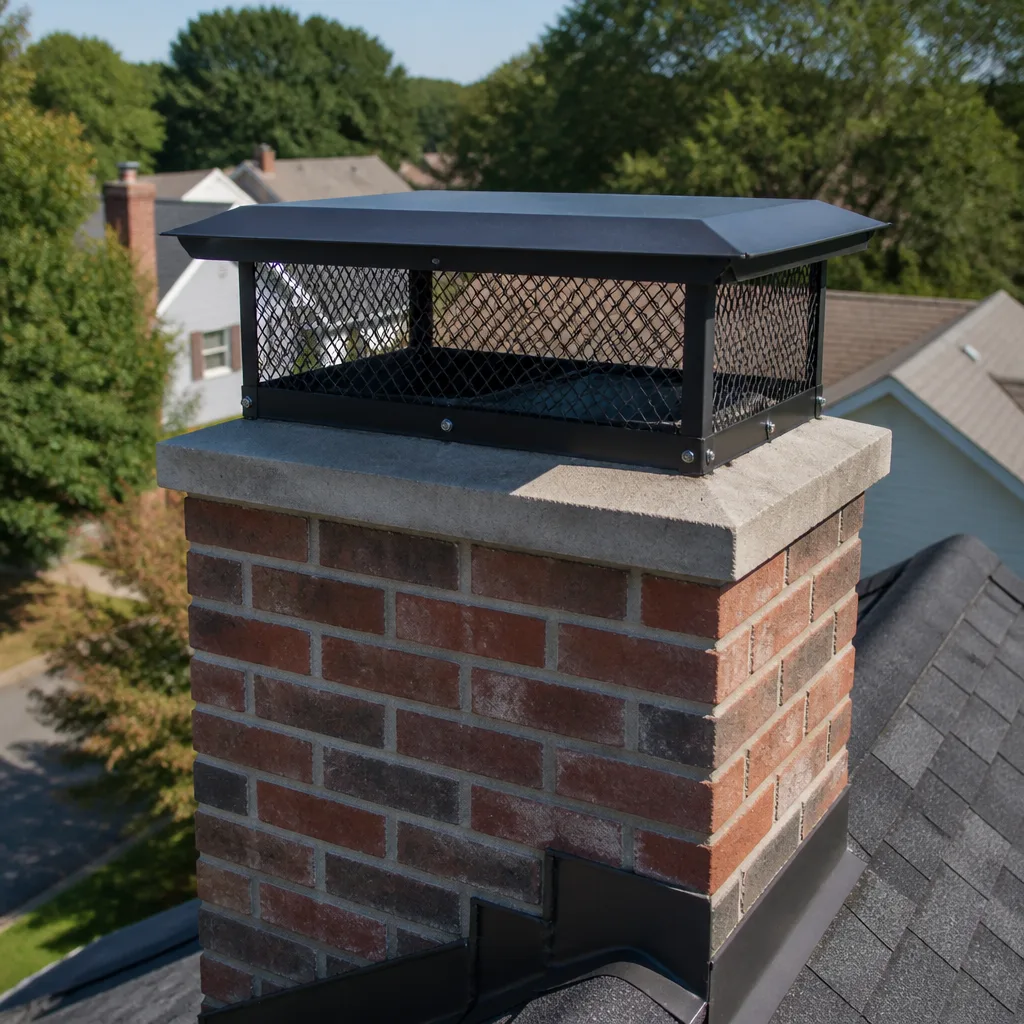 Sweep & inspection
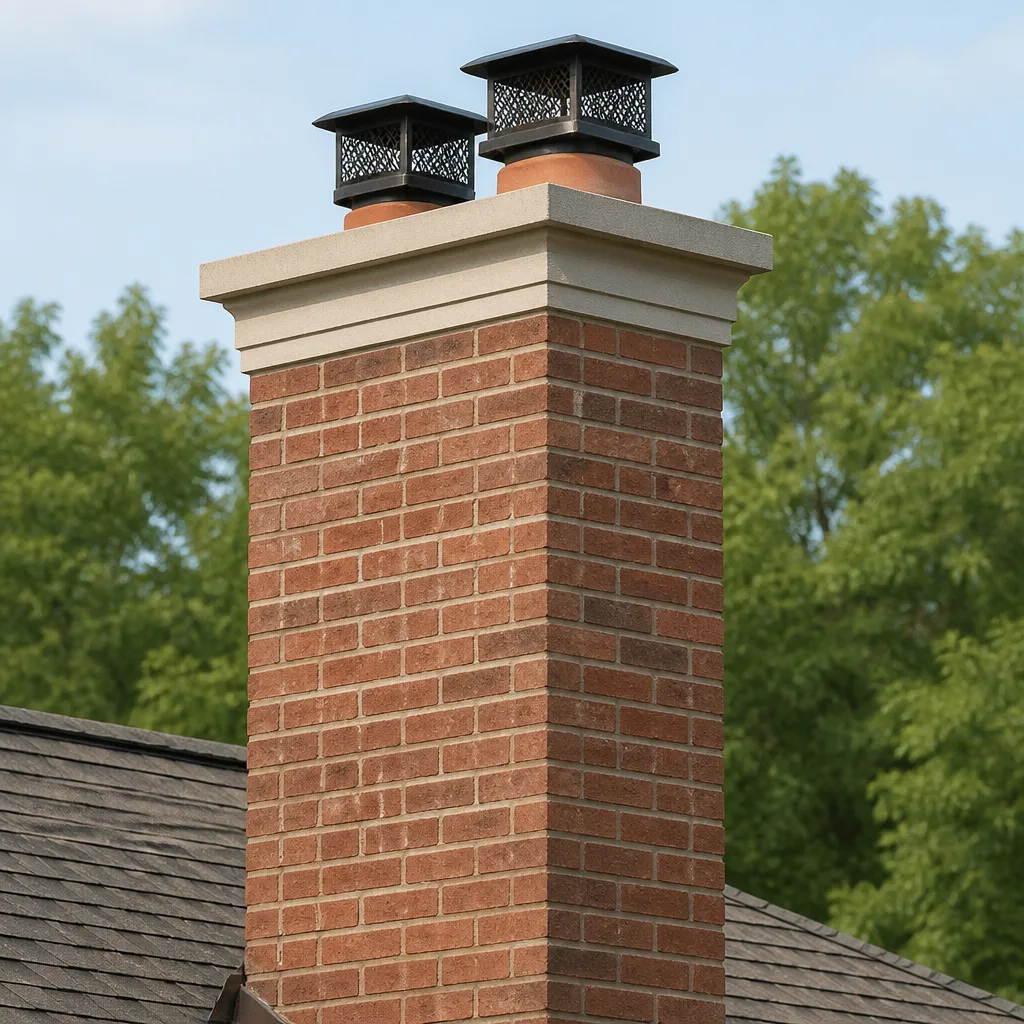 Caps & crowns
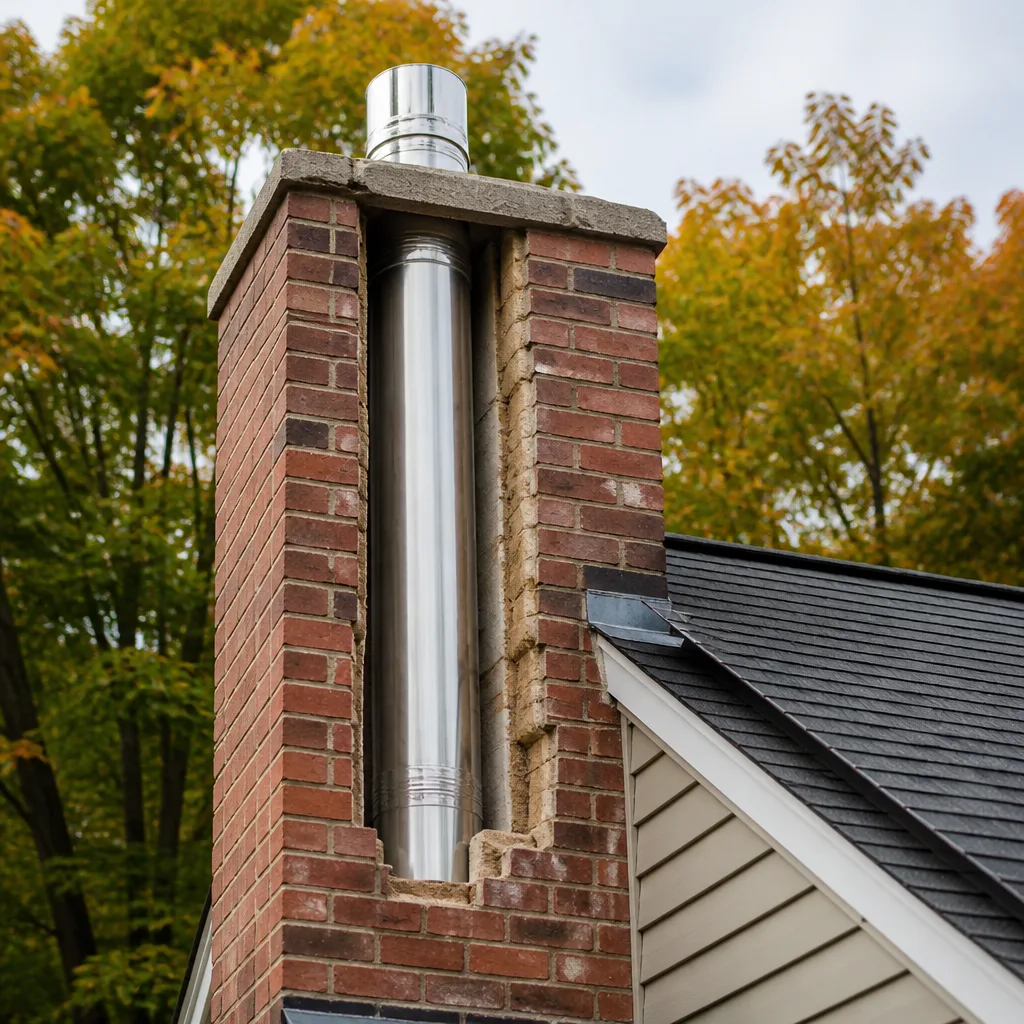 Flue relining
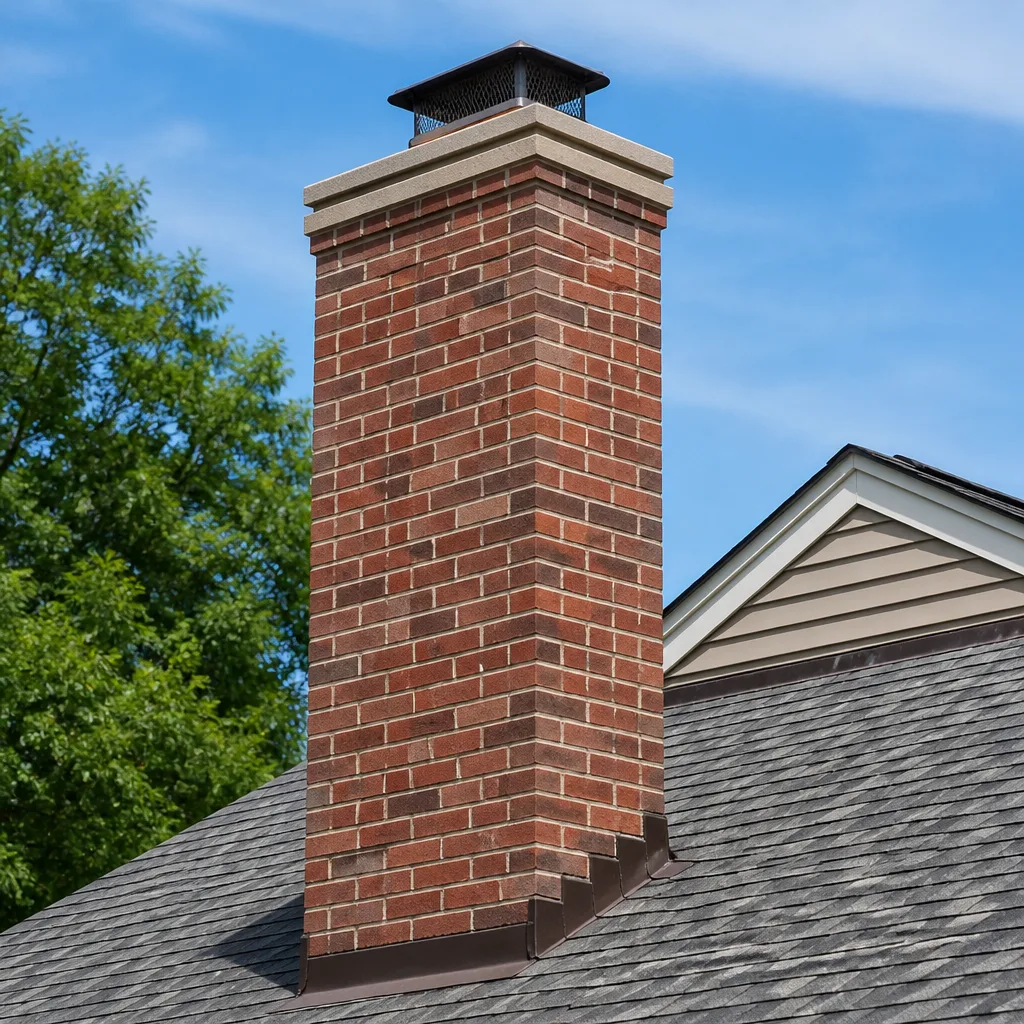 Masonry repair
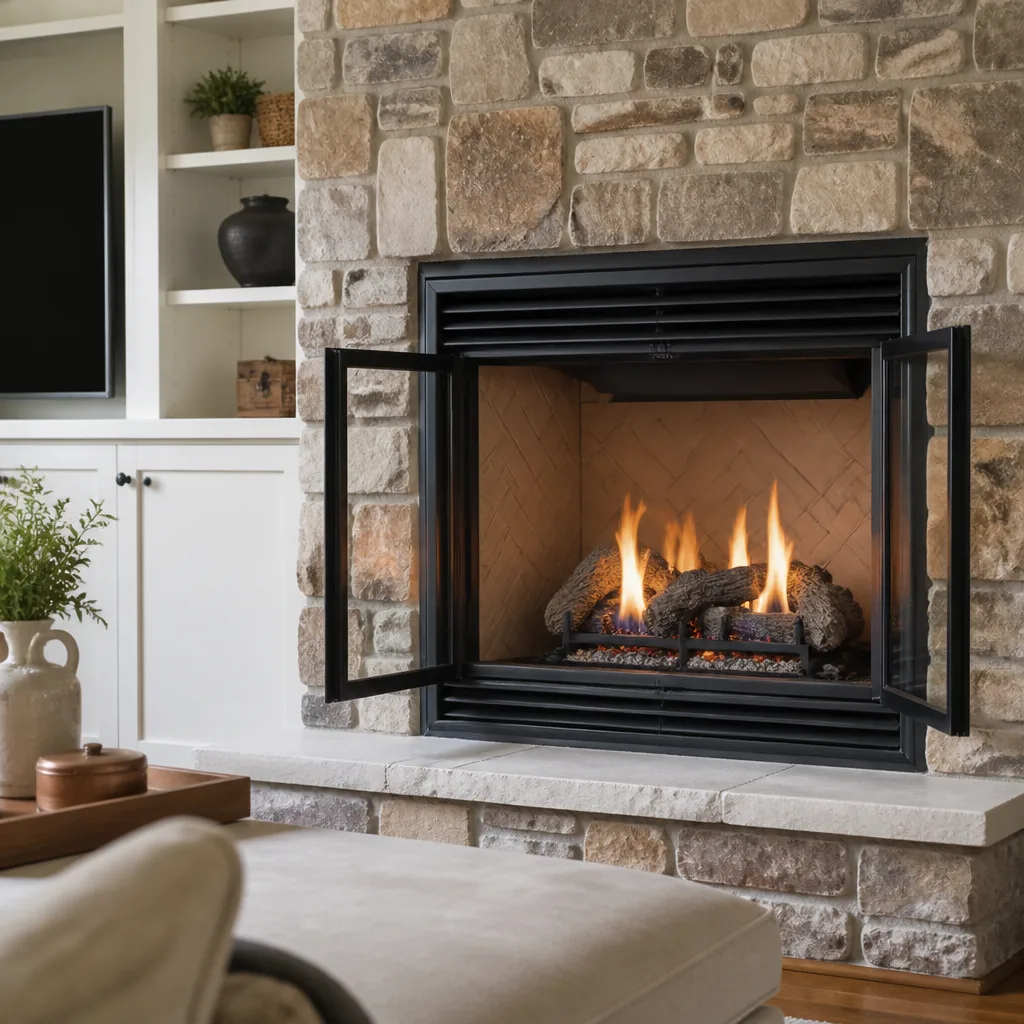 Gas fireplace service
Level 1 sweep and inspection to the NFPA 211 annual standard - flue, crown, cap, and flashing checked and photographed
Chimney sweep logs do not sweep chimneys. They loosen some creosote - which then falls where a brush and vacuum still have to collect it.
Seasonal Chimney Cleaning Care for Oak Cliff: Year-Round Homeowner’s Guide
The worst time to find out your chimney cap is damaged is the first cold night in November. In Oak Cliff, that cap was probably cracked by July’s heat expanding the metal and dried out by months of sun long before the first fire is lit, then filled with starling nests sometime in September. Most chimney advice is written for places with long, hard winters, and following it here means you service the chimney at exactly the wrong moment. This guide lays out a care calendar built around what North Texas weather actually does to masonry, flue tiles, crowns and caps across all twelve months, from the short concentrated burn season to the storm months that quietly open flashing gaps.
Quick Answer
Chimney care in Oak Cliff should follow the local weather, not a generic four-season schedule: sweep and inspect in October before the first fire, watch the crown and cap through summer heat expansion and UV drying, check flashing after spring storms, and keep the firebox sealed and dry through the warm months. The single most important timing decision is booking your sweep before the November cold snap, not after the first burn.
Styles & brands we work with
- Sweep & inspection
- Caps & crowns
- Flue relining
- Masonry repair
- Gas fireplace service
Table of Contents
- The Oak Cliff Chimney Care Calendar at a Glance
- Why an October Sweep Beats a November One
- What Dallas Summer Heat Does to Masonry Chimneys
- Checking Flashing After Spring Storms
- Off-Season Firebox and Damper Care
- Creosote Stages and Why Timing Matters
- What a Proper Inspection Looks For
- Signs Your Chimney Needs Attention Now
The Oak Cliff Chimney Care Calendar at a Glance
A chimney in Oak Cliff lives through a very different year than one in a colder climate. The burn season is short and intense, roughly November through February, and the other eight months are mostly warm, sunny and stormy in turns. That means most of the wear on your chimney happens while the fireplace is cold. The calendar below sequences tasks by what the weather is doing to the masonry at each point.
- March through May: Spring storm season. Check flashing and the crown after heavy rain and wind. Book an inspection if you see staining or loose material.
- June through September: Heat and UV season. Watch for crown shrinkage, cracked sealant and cap damage. Keep the damper closed and the firebox dry.
- October: Sweep and inspect before the first fire. This is the highest-value month on the calendar.
- November through February: Burn season. Watch for smoke rolling back, weak draft or unusual smells, and call if anything changes.
If you only do one thing this year, do the October sweep. Everything else on this list is maintenance. The October sweep is the task that protects the other eleven months of effort, because it clears the creosote load before the first hot fire bakes it harder. For the actual cleaning and inspection, start with a chimney sweep booked early, since October fills up fast across Oak Cliff.
Why an October Sweep Beats a November One
The most common mistake we see is waiting until the first cold night to think about the chimney. By then you’re calling around with everyone else in Oak Cliff, the schedule is tight, and the first fire has already run through last season’s creosote. Creosote that has sat through the summer is dry and brittle. Creosote exposed to that first hot fire glazes and hardens into a stage that is much harder to remove and much more flammable. Sweeping in October, before that first burn, keeps the load manageable.
Here’s how the October sequence works in practice:
- Book the sweep early in the month. You want a clear flue before the first fire, not after.
- Have the flue swept and the firebox cleared. Loose soot and ash come out while the weather is still mild and the mess is easy to manage.
- Get the inspection done the same visit. Findings are written up so you know what, if anything, needs repair before the season starts.
- Address small repairs now. A loose cap or a hairline crown crack is a quick fix in October and a bigger problem in January.
An October visit also gives you a full picture of the chimney system before burn season, which is exactly when you want to hear about a compromised liner or a draft problem. We’ll tell you exactly what we found and what it means before we quote a repair. If you’re in Kessler, Winnetka Heights or Bishop Arts and you know your fireplace has been idle since February, October is the month to book.
What Dallas Summer Heat Does to Masonry Chimneys
Summer is when most of the structural damage happens to a chimney in Oak Cliff, and nobody’s using the fireplace while it happens. Intense heat and dry air work on the masonry and the metal in several ways at once, and the damage stays hidden until you need the chimney most.
- Thermal expansion in the flue. Clay flue tiles expand and contract as temperatures swing through the summer. Repeated cycling can open hairline cracks in the tile, which lets flue gases escape into the surrounding masonry.
- Mortar crown shrinkage. The concrete crown on top of the chimney dries out in the summer heat and can shrink away from the flue, opening a path for water to run down inside the stack.
- UV degradation of sealants. Any caulk or sealant at the cap, flashing or crown breaks down faster under direct summer sun. Cracked sealant is a doorway for rain.
- Cap damage. Metal caps expand and contract with the heat, and the fasteners loosen. That’s how a cap ends up cocked or shifted by September.
If your chimney cap or crown looks cracked or shifted mid-summer, it’s worth fixing before the fall storms. We use chimney cap & crown components from Gelco and Famco because they’re built to hold up to this heat, not just to look fine on day one. A cap that fits properly and a crown that sheds water are the two cheapest protections your chimney has.
Checking Flashing After Spring Storms
Water is the slow killer of masonry chimneys in Oak Cliff, and most of it gets in at the flashing, the metal seal where the chimney meets the roof. North Texas spring storms drive rain sideways into flashing gaps that sit open all summer. You can spot some of this from the ground; the rest needs a technician on the roof with a camera.
What you can check yourself from the ground:
- Water stains or dark streaks on the ceiling or walls near the chimney.
- White powdery deposits (efflorescence) on the chimney’s exterior brick, a sign of moisture moving through the masonry.
- Rust streaks on the flashing metal or the firebox.
- Visible gaps or lifting at the base of the chimney where it meets the roofline.
What needs a technician: the actual condition of the flashing seal under the shingles, the crown on top, the cap attachment, and the flue interior itself. Camera inspection is standard here because the inside of the flue tells you more than the outside ever will. After a season of storms, this check is worth doing before you light the first fire, especially on the older homes around Oak Cliff where roofs and chimneys have been patched more than once.
Off-Season Firebox and Damper Care
From March through October your fireplace sits idle, and that’s the window when moisture gets in and wildlife moves in. The firebox, damper and smoke chamber are the parts most affected by a warm, empty chimney. Keeping them sealed and dry protects the system for the next burn season.
A few things worth doing through the warm months:
- Keep the damper closed. An open damper lets humid summer air rise into the smoke chamber and condense on cool masonry, which feeds rust and moisture damage.
- Cap the flue properly. A well-fitted cap keeps rain, debris and animals out. We use Gelco and Famco caps because they fit the flue and hold up to the sun.
- Clear the firebox. Remove ash and old logs before summer. Leftover material holds moisture and draws pests.
- Check the smoke chamber annually. Nesting birds and squirrels are common in Oak Cliff’s warm months, and a nest in the smoke chamber causes a draft problem you’ll only notice the first time you build a fire.
- Inspect the damper at the season’s end. A warped or stuck damper is easier to fix in September than in December.
If your damper sticks, this falls under fireplace repair and is worth doing before the next season starts. A damper that seals properly is the simplest moisture barrier your firebox has, and it keeps the smoke chamber free of critters.
Creosote Stages and Why Timing Matters
Creosote builds up in layers and hardens over time, and the stage it’s in depends on how often it’s been heated and cooled. Fresh creosote is soft and easy to sweep out. Creosote that has been through a hot fire can glaze into a hard, shiny, highly flammable crust that a brush won’t remove. The timing of your sweep is the single biggest factor in which stage you’re dealing with.
- Stage 1: Soft, flaky soot. Removed easily with a standard sweep.
- Stage 2: Harder and crustier. Removeable but takes more work.
- Stage 3: Glazed, hard and shiny. Resists brushing and is the most dangerous stage for a chimney fire.
Creosote in Oak Cliff builds during the short intense burn season of November through February, when the fireplace runs more often than any other time of year. If it’s swept in October, the soft creosote comes out before the first fire can bake it into a harder stage. That’s the argument for October timing in a single sentence. For more on how a proper sweep is done, see our Chimney Sweep Oak Cliff overview. If your flue is glazed, a brush alone won’t clear it, and the answer may be a resurfacing or liner replacement through HeatShield or DuraFlex.
What a Proper Inspection Looks For
A proper inspection covers the whole system, not just the flue. A sweep cleans the flue; the inspection is what tells you how the chimney is doing as a whole. We check the firebox, damper, smoke chamber, flue and cap on a standard visit, and the findings are written up so you have a record to refer back to.
A full inspection looks at:
- The flue interior: creosote level, flue tile cracks, gaps and integrity. Camera inspection is standard here.
- The smoke chamber: smoothness, gaps, and whether any masonry is spalling.
- The firebox: cracks, missing mortar joints, and heat damage in the brick.
- The damper: whether it opens fully, seals properly and operates without sticking.
- The crown and cap: cracks, shrinkage, attachment and wildlife intrusion.
- The exterior and flashing: mortar joints, efflorescence, rust and flashing gaps.
Findings that point to structural wear don’t always mean a rebuild. HeatShield ceramic resurfacing is a specialist-only product we use to restore a compromised liner without tearing out the entire chimney. We use DuraFlex flexible liner systems to fit older or irregularly shaped flues that a rigid insert can’t handle. Both come down to the same principle: fix what’s actually broken, not what a generic schedule says is due.
Signs Your Chimney Needs Attention Now
Not every chimney problem waits for the calendar. Some signs mean you should stop using the fireplace until a technician has a look. Others are early warnings you can schedule around. Here’s how we separate them in Oak Cliff, where a lot of the housing stock is old enough that the chimney has been through more than one owner’s worth of decisions.
- Stop using the fireplace and call: strong creosote smells from the firebox even when the fireplace is cold; smoke rolling back into the room instead of going up the flue; visible cracked or dislodged flue tiles; water coming in during rain; or a strong draft that changes abruptly between fires.
- Schedule a visit soon: staining on the ceiling near the chimney; white efflorescence on the exterior brick; rust on the cap, firebox or damper; a cap that looks bent or shifted from the ground; or birds and squirrels around the cap through the warm months.
Skipping a sweep during the burn season lets creosote build up on the flue wall, and that is a chimney fire risk. Carbon monoxide is a separate concern with any combustion appliance, and a blocked or damaged flue is one way it can back up into the house. We’re not in the business of scare-selling, but we do want the reader to know that a chimney that’s behaved well through several seasons can still hide a problem inside the flue. A camera inspection is how you find it before it becomes an emergency.
Common Mistakes to Avoid
- Waiting until the first cold night. By November, the schedule is full and the creosote has already met its first hot fire. October is the right month in Oak Cliff, not November.
- Ignoring the crown through summer. A hairline crack in the crown looks harmless in July and lets water into the masonry all year. Fix it in the warm months, not after a ceiling stain shows up.
- Skipping the flashing check after spring storms. A lot of chimney water damage in Oak Cliff starts at the flashing, and it’s easy to miss from inside the house.
- Leaving the damper open all summer. It lets humidity into the smoke chamber and feeds rust on metal parts below.
- Using a generic firewood or house-brand cap. A cheap cap that doesn’t fit the flue or hold up to the sun will be back to a problem by the following summer. We use Gelco and Famco for a reason.
- Assuming a sweep is a full inspection. Sweeping clears the flue. It does not report on the crown, cap, flashing or firebox condition. Ask for both.
- Replacing the whole chimney before finding out if resurfacing works. HeatShield ceramic resurfacing can restore a compromised liner without tearing out the entire chimney, and DuraFlex can fit where a rigid liner can’t.
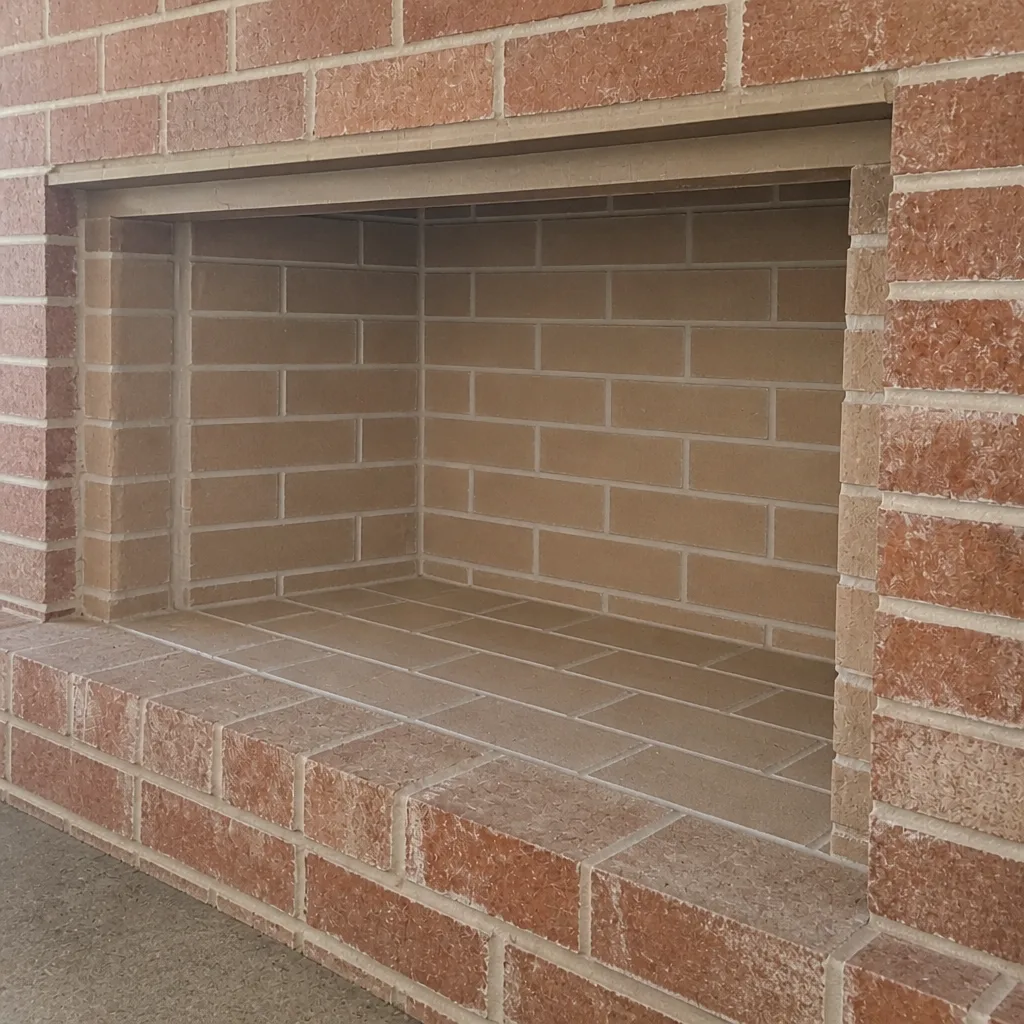
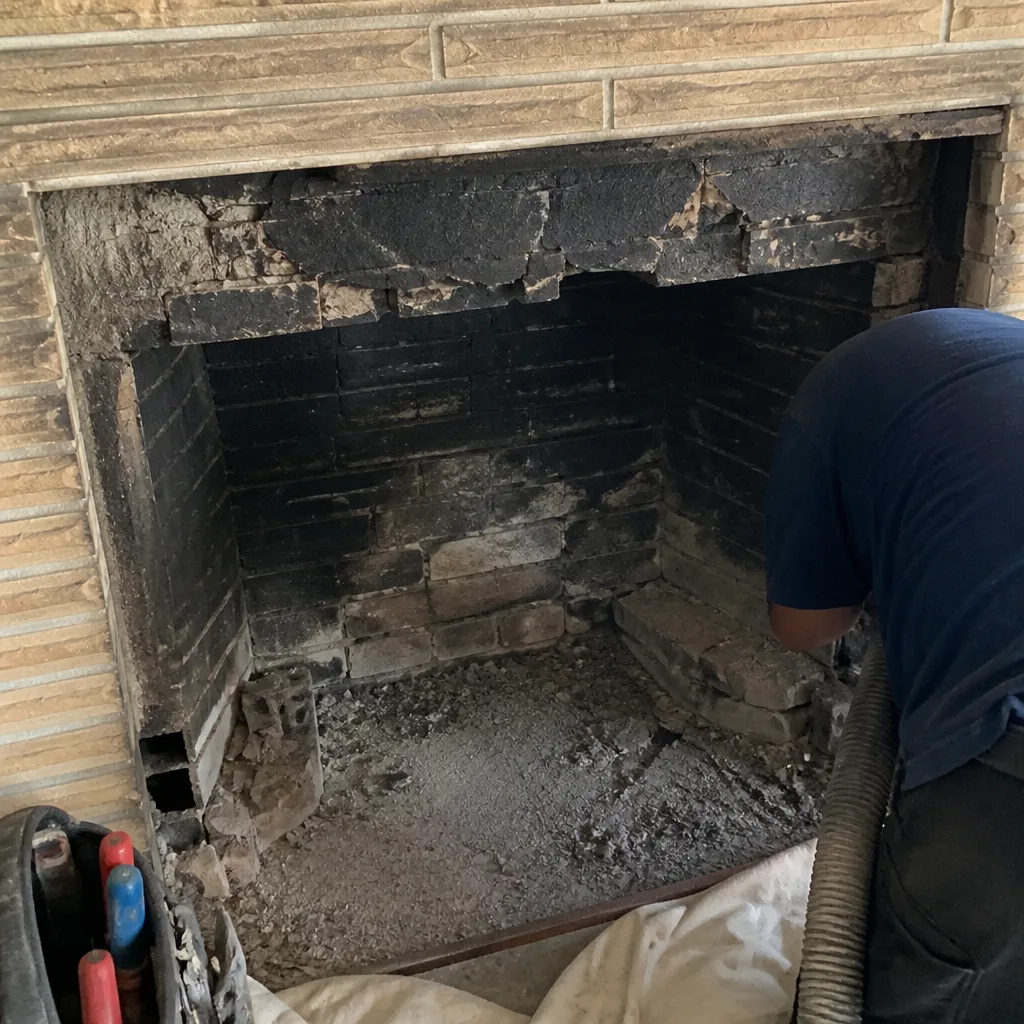
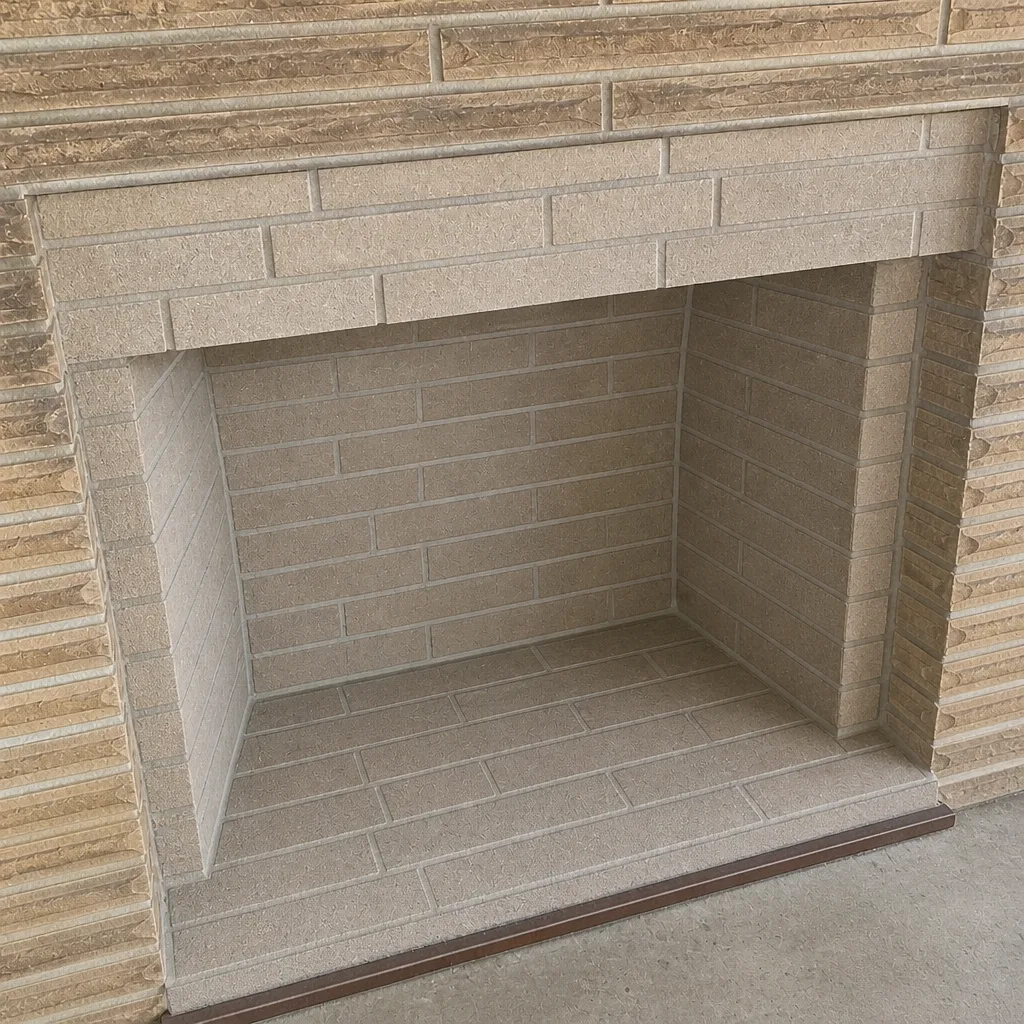
See the difference
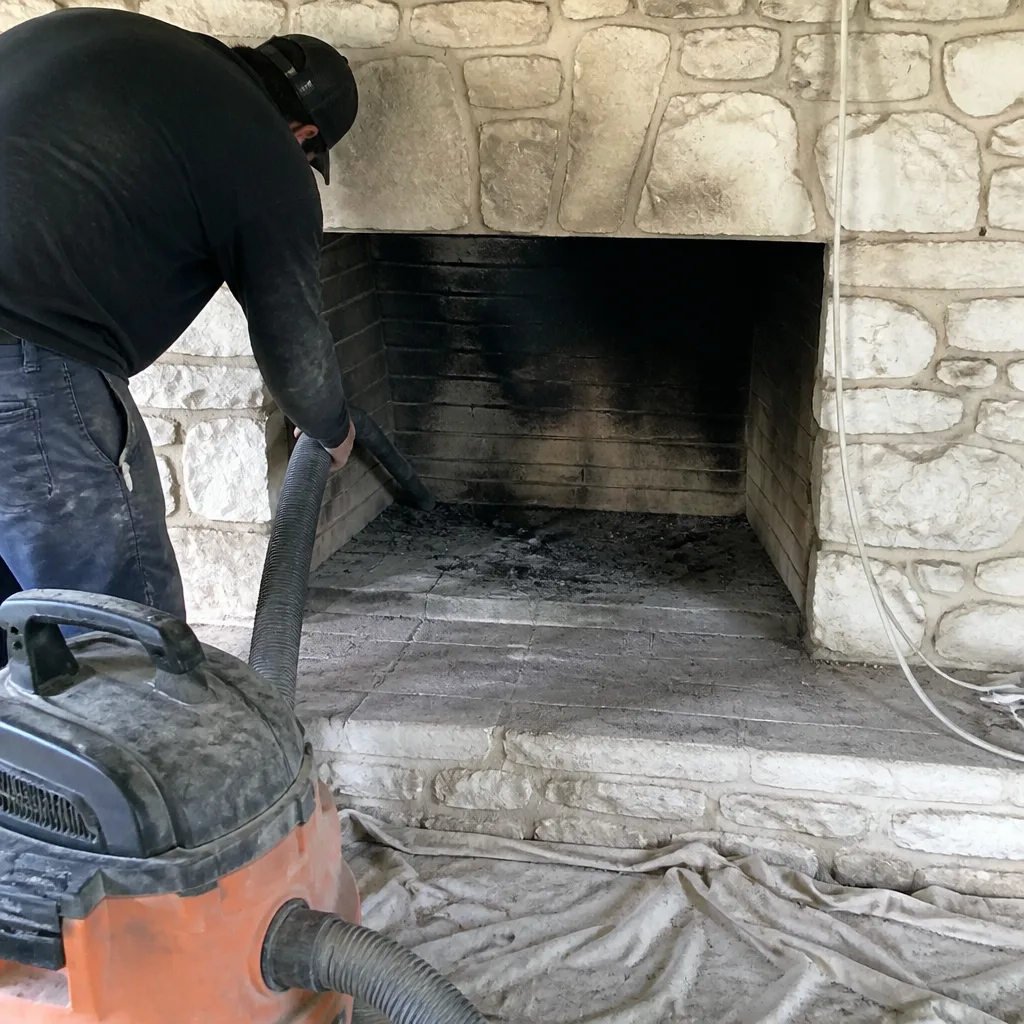 Before
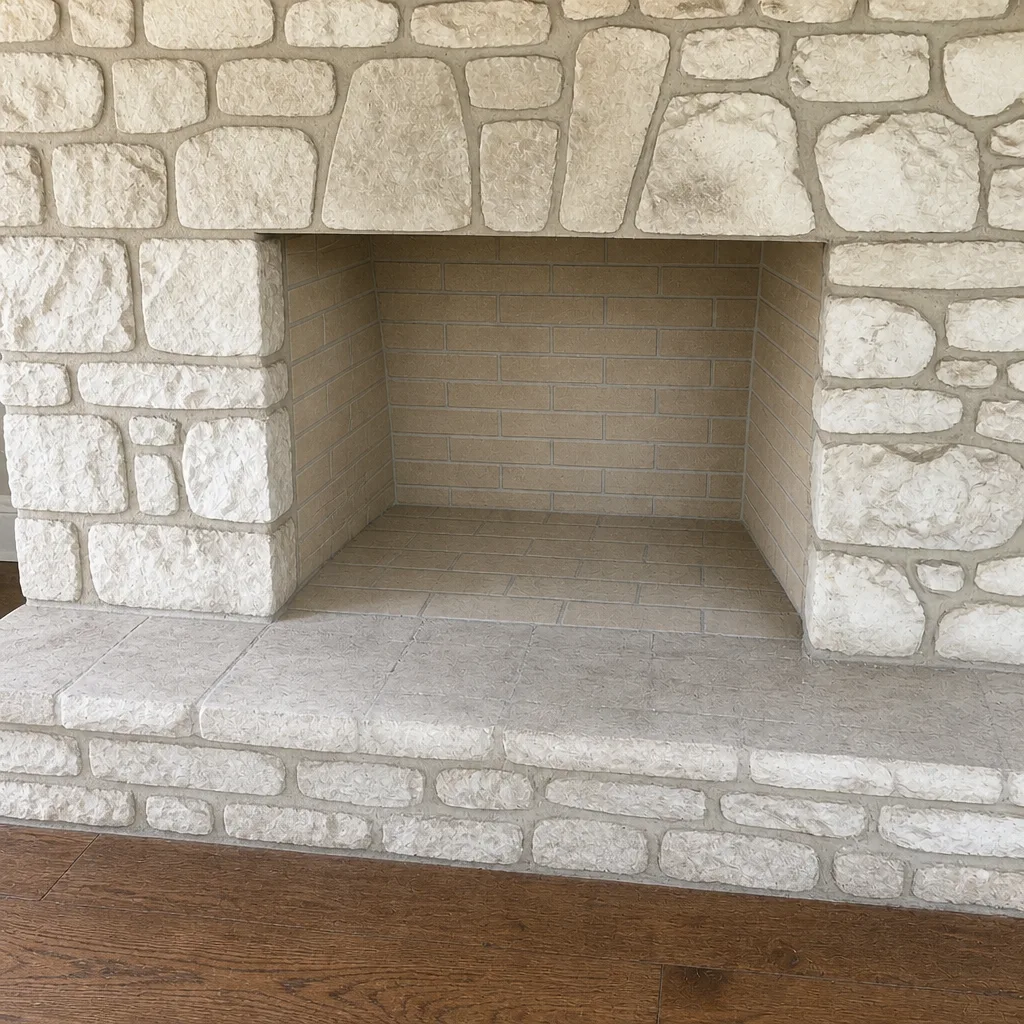 After
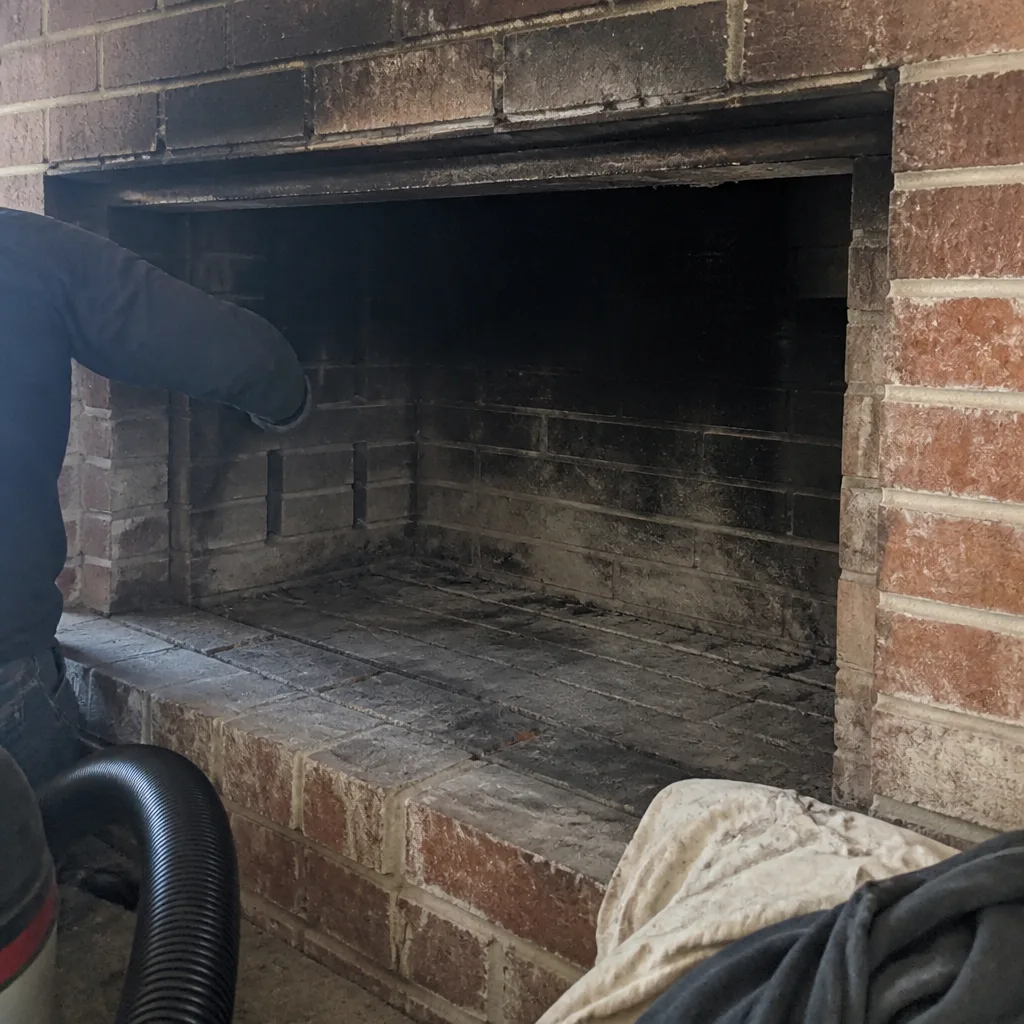 Before
 After
 Before
 After
When to Call a Professional
Call a chimney professional when you see smoke rolling back into the room, when the firebox smells strongly of creosote even when it’s cold, when you spot water inside during or after rain, when the cap looks damaged from the ground, or when it’s been more than a season since the last sweep and inspection. Those are the moments where a free estimate and a camera inspection pay for themselves by telling you what’s actually wrong. Chimney Sweep Oak Cliff offers free estimates in Oak Cliff. Call (888) 847-8540. We answer 24/7. Fast dispatch from 7am to 7pm, Sunday through Friday.
Frequently Asked Questions
Once a year is the baseline for most homes that burn wood through the November to February season. If your fireplace is used heavily, or if creosote has built up quickly, a mid-season recheck may be worth doing. Booking the annual sweep in October keeps creosote from baking into a harder stage on the first fire of the year. Call (888) 847-8540 for an exact quote. Estimates are free.
October sweeps clear the creosote before the first hot fire of the season, when it’s still soft and easy to remove. A November sweep runs into creosote that’s already glazed from the first few fires, which is harder to clear and more of a fire risk. In Oak Cliff the difference in scheduling is also real: October still has flexibility, November doesn’t. Call (888) 847-8540 for an exact quote. Estimates are free.
Water stains on the ceiling near the chimney, dark streaks on the exterior brick, white efflorescence on the masonry, and rust on the cap or firebox. Any of these point to flashing or crown problems. A technician with a camera can check the flue interior and the roof-level seal, which is the part you can’t see from the ground. Call (888) 847-8540 for an exact quote. Estimates are free.
Yes. The masonry crown shrinks and cracks in the dry heat, UV exposure breaks down the sealants at the cap and flashing, and the flue tiles expand and contract through the day. None of that needs a fire in the fireplace to happen. Checking the crown and cap in mid-summer is often the cheapest work you’ll do on the chimney all year. Call (888) 847-8540 for an exact quote. Estimates are free.
Creosote keeps building on the flue wall through each burn season and can reach a glazed stage that’s hard to remove and a real fire risk. The other issue is that a skipped sweep means a skipped inspection, so crown cracks, cap damage and flashing gaps go unnoticed until water damage shows up inside the house. Skipping one season is recoverable; skipping several is how small repairs turn into rebuilds. Call (888) 847-8540 for an exact quote. Estimates are free.
Yes. An open damper lets humid air rise into the smoke chamber and condense on the cooler masonry, which feeds rust and moisture damage through the warm months. Closing it also keeps wildlife from entering through an open flue. Check the damper once before the next burn season starts and call if it sticks. Call (888) 847-8540 for an exact quote. Estimates are free.
The Bottom Line
Chimney care in Oak Cliff follows a calendar built around North Texas weather, not a generic four-season model. The October sweep and inspection is the anchor; everything else protects the chimney through the warm months so the October work is maintenance, not recovery. Summer heat cracks crowns and caps, spring storms open flashing gaps, and an open damper feeds moisture through the off-season. Our technicians have up to 12 years of experience across sweeping, inspection, cap and crown work, fireplace repair and chimney repair, and we handle the whole system in one visit. Call Chimney Sweep Oak Cliff at (888) 847-8540 for a free estimate and to book your sweep before the first fire.
Written by the team at Chimney Sweep Oak Cliff.