
Last updated November 22, 2026
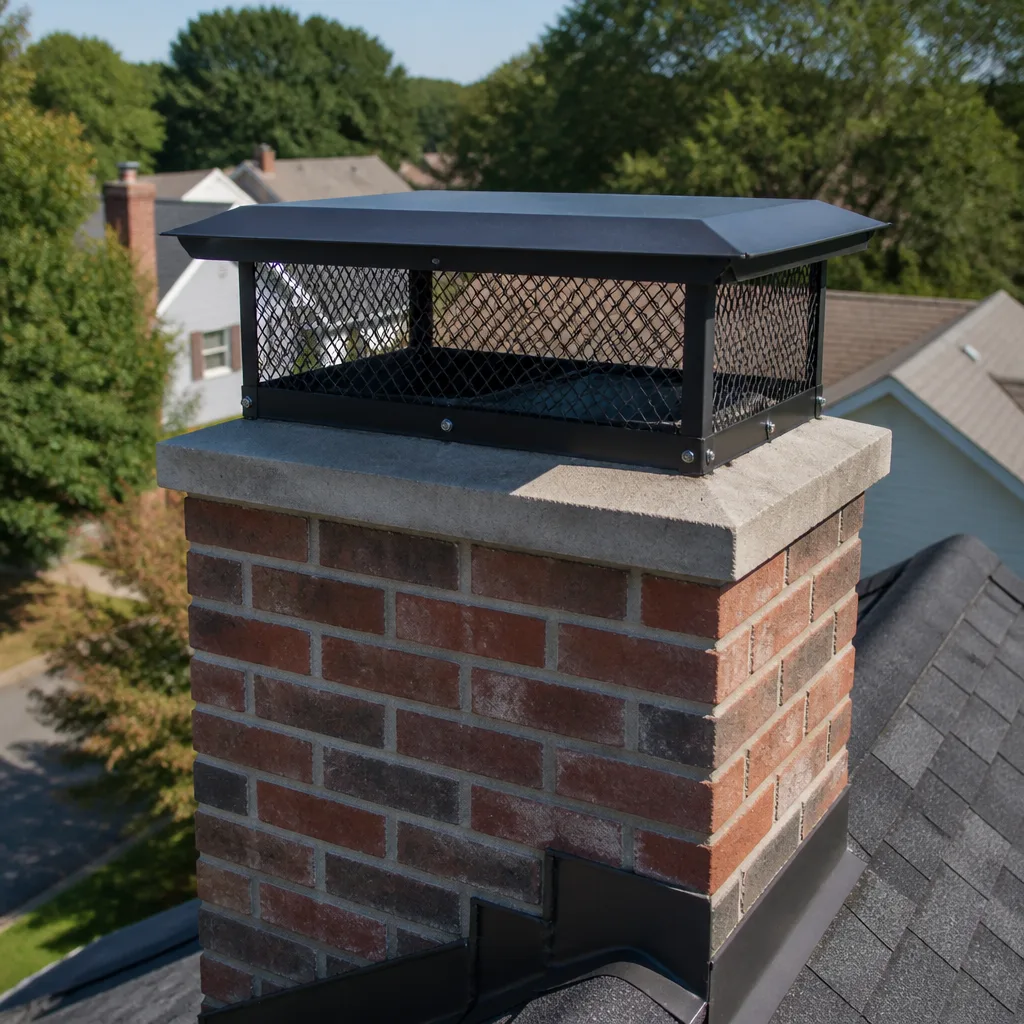 Sweep & inspection
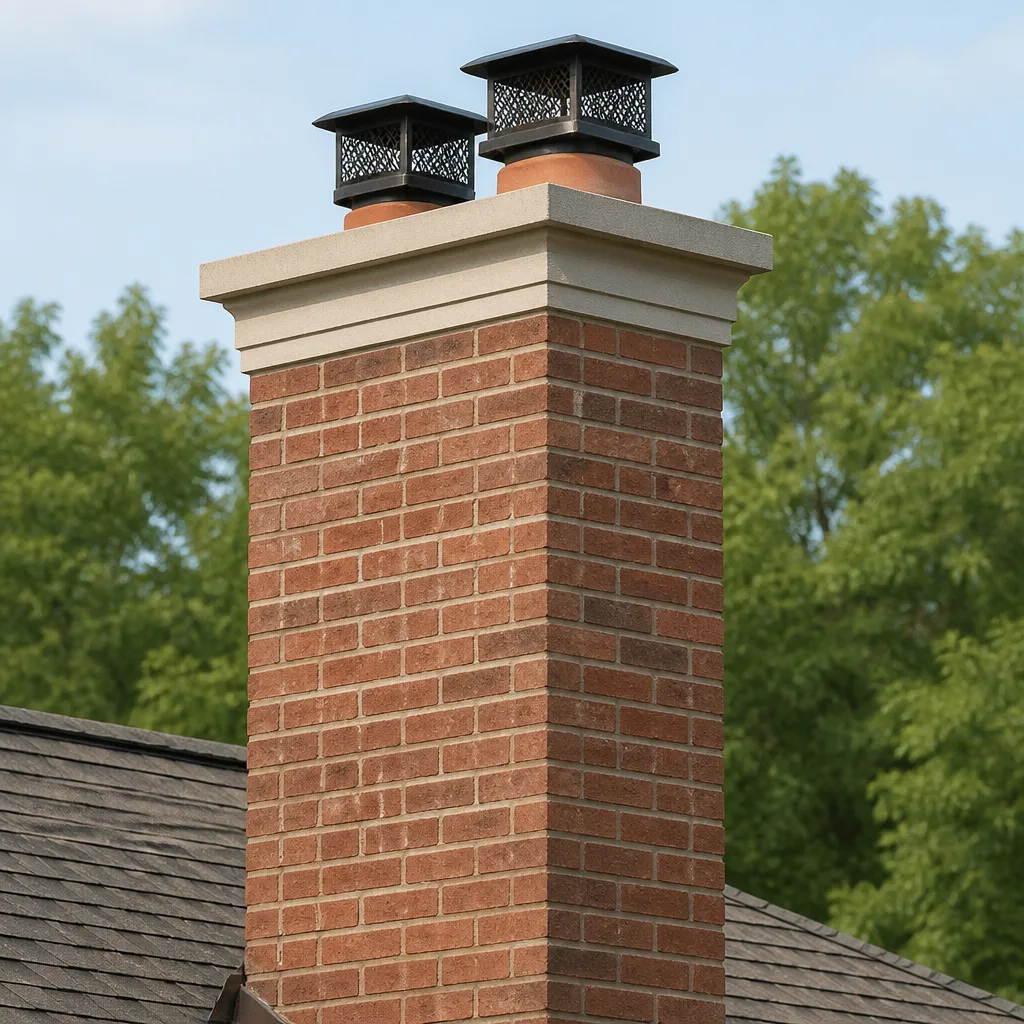 Caps & crowns
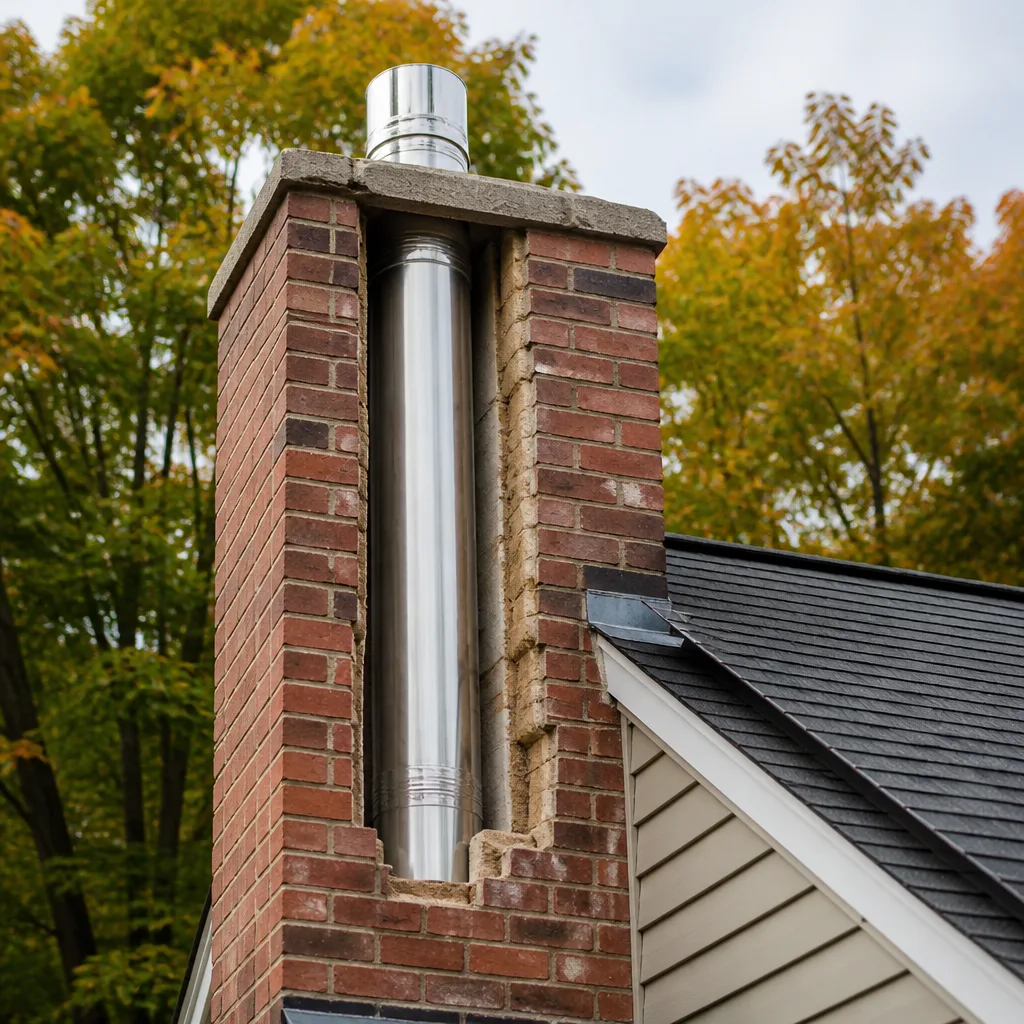 Flue relining
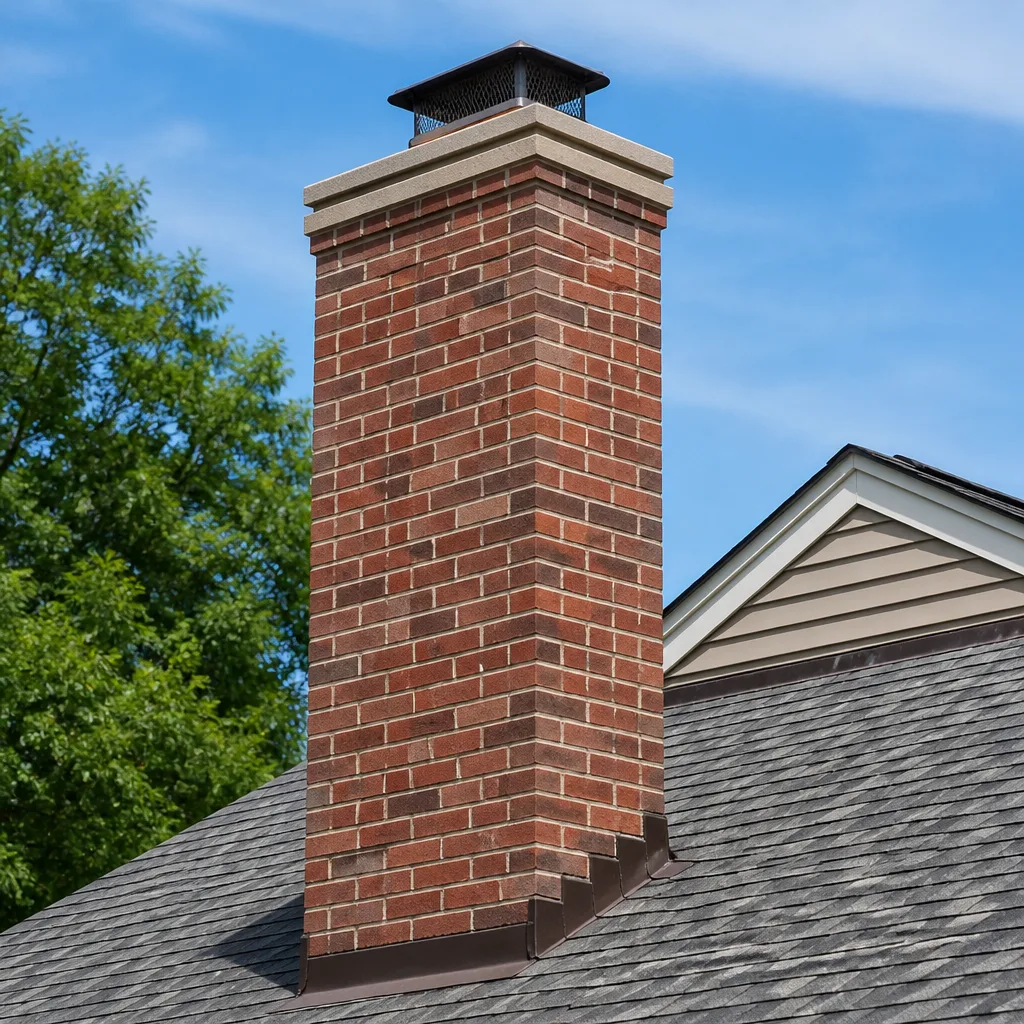 Masonry repair
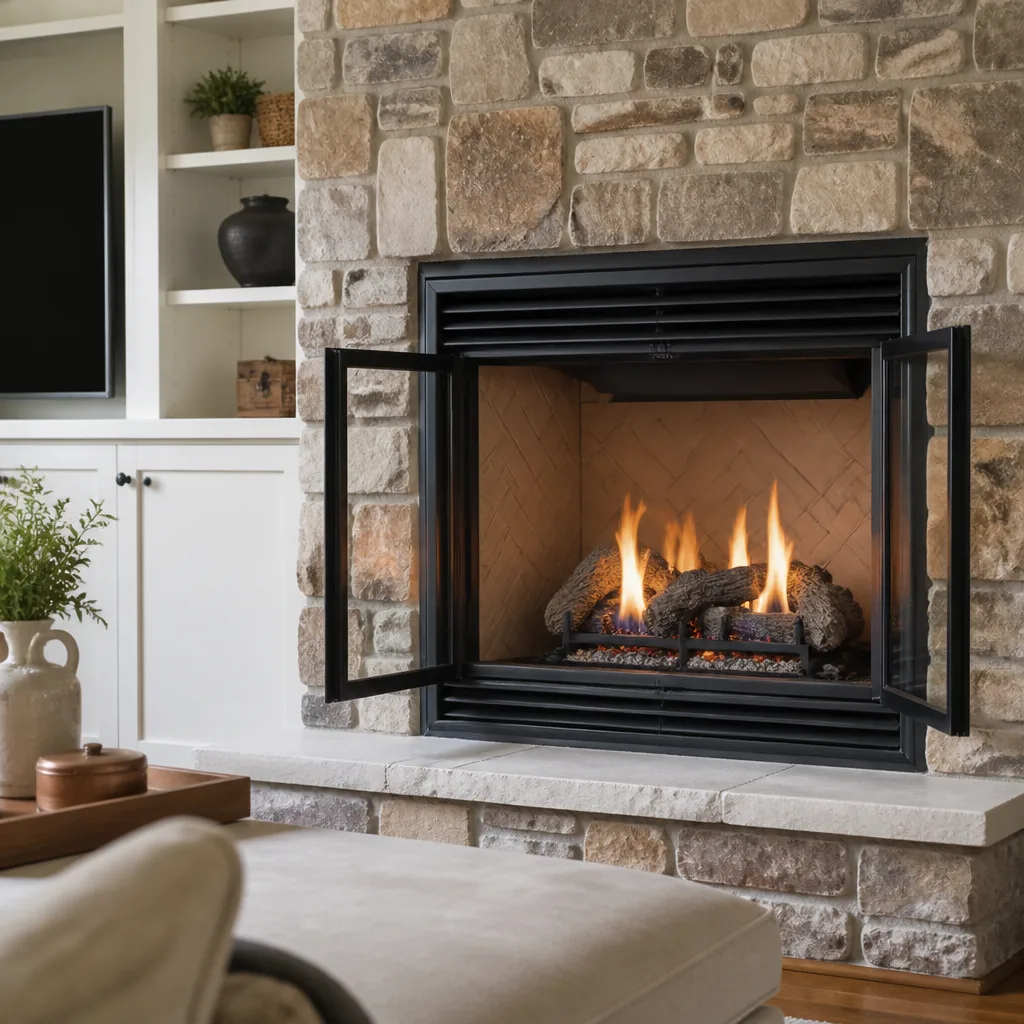 Gas fireplace service
Level 1 sweep and inspection to the NFPA 211 annual standard - flue, crown, cap, and flashing checked and photographed
Chimney sweep logs do not sweep chimneys. They loosen some creosote - which then falls where a brush and vacuum still have to collect it.
Choosing the Right Chimney Cleaning Brand: A Buyer’s Guide for Oak Cliff
Every chimney contractor says the same thing: “We use stainless steel.” That sentence tells you almost nothing. The gap between a 316Ti alloy liner built to a professional specification and a 304-grade import with a thin wall is the difference between a reline that holds up through years of heating cycles and one that pits and corrodes long before its time. Brand names on chimney materials aren’t marketing decoration. They’re shorthand for alloy content, wall thickness, warranty terms, and whether the manufacturer stands behind the product when it’s installed by a trained professional. In Oak Cliff, where a lot of homes have chimneys originally built for wood fires and later modified for gas, those material choices matter even more. This guide breaks down what the major chimney brands actually make, how to read a contractor’s material specification, and how to spot a substitution before it goes up the flue.
Quick Answer
The right chimney cleaning brand for an Oak Cliff home depends on what’s being installed. For liner systems, look for brands like DuraFlex that require professional sizing and carry warranties contingent on qualified installation. For sealants and repair mortars, HeatShield is the standard for ceramic resurfacing because it’s a specialist product sold through supply channels, not retail shelves. For caps and crowns, Gelco and Famco offer commercial-grade protection that generic hardware doesn’t match. The brand matters less than whether your contractor can explain why they chose it for your specific flue.
Styles & brands we work with
- Sweep & inspection
- Caps & crowns
- Flue relining
- Masonry repair
- Gas fireplace service
Table of Contents
- Why Brand Matters in a Chimney System
- Liner Systems: What to Look For
- Sealants and Repair Mortars
- Caps and Crowns: Material and Manufacturer
- How to Read a Contractor’s Material Specification
- Warranty Implications and Documentation
- What “Professional-Grade” Actually Means
- Common Mistakes to Avoid
- When to Call a Professional
- Frequently Asked Questions
Why Brand Matters in a Chimney System
A chimney is not a passive hole in the roof. It’s a system that moves hot combustion gases, handles moisture, and holds its shape through repeated heating and cooling. Every component in that system – the flue liner, the crown, the cap, the mortar joints – is doing structural work under conditions that punish cheap materials.
Brand matters because chimney products are not commodity goods, even though some contractors treat them that way. A flexible stainless liner is made from specific alloys in specific thicknesses, and those specifications determine how the liner performs when flue gases condense on its surface. Mortars and sealants are formulated for adhesion and heat resistance, not just for looking smooth going on. Caps are engineered to shed water and resist animal intrusion without blocking draft. Skimping on any of those doesn’t fail immediately. It fails in a few years, often in ways that aren’t obvious until a chimney inspection turns up the damage.
Here in Oak Cliff, we see a particular pattern. Many homes were built with masonry chimneys designed for wood fires, and the original clay tile liners are still in place. Some are in fine shape. Others have cracked or spalled tile that needs relining before the chimney can be used safely. The brand of liner that goes in next determines whether that repair lasts for decades or needs to be redone. That’s the real reason to care about brands: the material you choose today dictates the maintenance schedule for the next homeowner.
Our technicians have up to 12 years of experience working with chimney systems in this part of Dallas. What that time has shown us is that homeowners who ask about brands tend to get better work. Not because the brand alone guarantees quality, but because asking forces the contractor to explain their reasoning – and that’s where you find out whether they actually know the products they’re installing.
Liner Systems: What to Look For
Relining is the most common major chimney repair, and it’s also the one where brand knowledge matters most. A flue liner is a stainless steel tube that runs the length of the chimney and vents combustion gases safely out of the house. If the original clay tile liner is cracked, deteriorated, or the wrong size for the appliance, a new stainless liner is the standard fix.
Not all stainless is created equal. The alloy grade is the first thing to check. Liner manufacturers use 304, 316, and 316Ti stainless, among others. Higher grades resist corrosion better in the presence of acidic condensate – which is what forms when gas appliances vent. If you’re burning wood in a masonry fireplace, the condensate load is different, but the alloy still matters. A liner that’s underspecified for the application will corrode from the inside out.
Brands like DuraFlex make flexible liner systems designed to be shaped and fitted to the specific flue, rather than forced into a rectangular hole that was never perfectly uniform. That flexibility matters in older Oak Cliff homes where the original masonry work varies from chimney to chimney. A custom-fit liner seats better, insulates better, and lasts longer than a one-size approach.
When you’re evaluating a liner quote, ask these questions:
- What alloy grade is the liner? Ask for the specification sheet, not just the brand name.
- What wall thickness? Thin walls save money but wear faster under thermal cycling.
- Is the liner sized to this flue, or is it a stock size? A liner that’s too large or too small changes how the chimney drafts.
- Which installation method does the manufacturer require? Some warranties are void if the installer doesn’t follow specific procedures.
- What does the warranty cover, and for how long? Material-only warranties and full-coverage warranties are different things.
The liner is the most expensive single component in a chimney system, so it’s also the one most vulnerable to substitution. A contractor who quotes one brand and installs another grade is not doing you a favor. Our approach is to specify the liner by brand, alloy, and size in the quote, then install exactly what’s specified. If something has to change because of what we find in the flue, we tell you before we proceed.
Sealants and Repair Mortars
Sealants and mortars are where a lot of chimney repairs go wrong quietly. The work looks fine when it’s done. Then a few winters pass, the material cracks or loses adhesion, and water starts getting into places it shouldn’t.
The biggest name in this category is HeatShield, and for good reason. HeatShield is a ceramic-based resurfacing product used to restore deteriorated flue liners from the inside without full demolition. It’s a specialist material, sold through trained applicators rather than retail. That matters because proper application requires knowing the condition of the liner first, preparing the surface correctly, and building the coating up in the right number of passes. A chimney contractor who hasn’t invested in that training doesn’t have access to the product.
For general masonry repair – sealing joints, repairing crowns, patching spalled brick – the brands we work with include copper-and-fiber reinforced mortars and flexible sealants rated for chimney temperatures. Rutland and Meeco’s Red Devil make products in this category, and they’re reliable for the applications they’re specified for. The key is matching the product to the job. A high-temperature mortar is right for firebox repairs. A flexible sealant is right for crown edges and flashing. Using one where the other belongs is a common mistake.
HeatShield resurfacing is worth understanding because it’s a repair path most contractors can’t offer. When a liner is compromised but still structurally sound, resurfacing can restore the flue without tearing out the entire chimney. That means less disruption, less cost, and a shorter timeline. It’s not right for every liner – severely spalled or collapsed tile still needs a full reline – but when it fits, it’s a real alternative to a rebuild.
Ask your contractor which product they plan to use for any repair and why. If they can’t answer, or they name a generic “chimney mortar” without specifying, that’s a sign they haven’t thought about it. We use HeatShield because it’s what professionals specify – not what’s cheapest to stock.
Caps and Crowns: Material and Manufacturer
A chimney cap is the single most effective piece of protection you can put on a chimney, and it’s also the piece most often replaced with whatever was on the shelf at the hardware store. That’s a mistake. Caps do real structural work. They keep water out of the flue, they keep birds and raccoons from nesting inside, and they keep sparks from landing on the roof. A cheap cap rusts through in a few years, blocks too much draft, or blows off in a storm.
Brands like Gelco and Famco make caps built to commercial specifications – heavier gauge stainless or powder-coated steel, properly sized mesh, and mounting systems that hold up to wind. For the larger, historically proportioned chimneys common in some Oak Cliff neighborhoods, a stock cap from a big-box store often doesn’t fit right. A cap that doesn’t seat properly might as well not be there. The right solution is a cap sized and fabricated for the specific chimney opening, which is why we source from manufacturers that build to spec rather than sell a limited set of stock sizes.
Crowns matter too. The crown is the concrete or masonry surface at the very top of the chimney, sloped to shed water away from the flue. When a crown cracks, water gets into the chimney structure. Over time that leads to spalling brick, deteriorated mortar, and eventually structural problems. Crown repair or replacement is a routine part of keeping an Oak Cliff chimney working, but the material has to be right – a proper crown mix cures slowly and holds up to thermal movement better than generic concrete.
If you’re choosing a contractor for chimney cap & crown work, ask what they plan to install and why. A cap from a known manufacturer, sized to the chimney, with a warranty behind it, is worth more than one that “looks about right.” And because caps and crowns are two of the most common points of failure, they’re also where a full-scope chimney company has an advantage over a generalist. We source caps from manufacturers who build to specification, not from a home improvement aisle.
How to Read a Contractor’s Material Specification
When you get a chimney repair quote, it should specify what’s being installed. Not just “stainless liner” or “chimney cap” – the brand, the grade, and the size. If a quote doesn’t include that level of detail, ask for it. Any contractor who’s serious about their materials will be happy to provide it. Here’s how to read what you get.
- Look for the brand and model. “DuraFlex 316Ti flexible liner” is a specification. “Stainless liner” is not. If the brand is named but the grade isn’t, ask for the grade.
- Check for size. A liner should be sized to the flue and to the appliance. If the quote lists a diameter and length, that’s a good sign. If it doesn’t, ask how the size was determined.
- Look for quantities. How many feet of liner? How many caps? How much mortar? Vague quantities make it easy to charge for premium materials and install less.
- Ask about the installation method. Some liners have specific requirements – insulation, connection hardware, support at the top. If the quote doesn’t mention those, it may not include them.
- Compare to the manufacturer’s spec sheet. Most brands publish specifications and installation requirements online. You don’t need to read them thoroughly; just check that the contractor’s quote matches what the manufacturer says the product requires.
The substitution problem is real. A contractor can mention a premium brand during the estimate conversation, then install a lower-grade equivalent and keep the difference. The way to prevent that is to have the brand and grade written into the quote, and to verify what actually arrived on the job. This isn’t about distrust. It’s about being specific, which is what any professional contractor expects from a well-informed customer.
One more thing to check: whether the brands named in the quote are brands the contractor actually works with. Some products, including HeatShield and certain DuraFlex systems, are sold only to qualifying professionals. If a contractor claims to use a brand that isn’t available outside that channel, that’s worth questioning. We tell homeowners exactly what we found and what it means before we quote a repair. The quote specifies the brand, grade, and quantity, so there’s no ambiguity about what’s being installed.
Warranty Implications and Documentation
The warranty on a chimney product is only as good as the paper trail behind it. Most premium brands – including the liners and repair systems we work with – require installation by a qualified professional to maintain the warranty. A homeowner who installs the product themselves, or hires someone who isn’t qualified, may void the coverage. That’s worth understanding before you choose a contractor.
Here’s how the warranty chain usually works:
- Manufacturer warranty covers the product itself against defects. The length varies by brand and grade – some liner warranties are lifetime, others are limited.
- Installation warranty covers the labor and the quality of installation. This is often provided by the contractor, separately from the manufacturer warranty.
- Documentation – the installation record, material receipts, and photos – is what protects you if you ever need to make a claim.
Why does this matter for an Oak Cliff homeowner? Two reasons. First, a home sale usually includes a disclosure about recent chimney work. If you can show the liner was professionally installed with a documented warranty, that’s a clean disclosure. If you can’t, the buyer’s inspector may flag it, and the negotiation gets more complicated. Second, a homeowner’s insurance claim related to a chimney fire or water damage is easier to resolve when the installation history is documented. We provide written findings and photos after every inspection, and we keep installation records on file. That’s not a marketing feature – it’s part of the work.
A final note on warranties: read the terms. “Lifetime” often means the life of the product as defined by the manufacturer, not your lifetime. Some warranties are transferable to the next owner; others aren’t. Ask before the work is done, not after.
What “Professional-Grade” Actually Means
The term “professional-grade” gets used loosely, so let’s be specific. In chimney supply terms, it means materials that are sold through professional distribution channels rather than retail shelves. Distributors like Copperfield Chimney Supply serve the trade. They stock liner systems, caps, crown materials, and repair products that aren’t available to a walk-in customer at a hardware store. That gatekeeping isn’t about exclusivity – it’s about making sure the products are installed by people trained to use them.
Why does that matter to you? Because it’s a shortcut for evaluating a contractor’s seriousness. A contractor who buys through a professional distributor has access to grades and specifications that a retail buyer doesn’t. That contractor can specify a liner, a cap, or a mortar that actually fits the job, rather than picking from three options at a home center. They can also get technical support from the supplier if something unusual comes up. The full range of brands we work with – DuraFlex, HeatShield, Gelco, Olympia Chimney, Famco, and Copperfield – is available through those channels, which means we can match materials to the specific chimney, not to the store’s inventory.
The flip side is that “professional-grade” is sometimes used as a label without substance. A contractor might claim to use professional materials while sourcing them from a source that doesn’t actually qualify. The way to check is to ask for the brand name and the supply channel, then verify the brand exists and makes the product being described. If a contractor can’t tell you where a material comes from, they probably don’t know.
One more practical point: professional-grade materials cost more, and that’s reflected in the quote. A low bid that installs a retail-grade liner isn’t a bargain. It’s a warranty problem waiting to happen. For scope of work, our chimney sweep and inspection service identifies issues before they become emergencies, and any repair we recommend specifies exactly which brand and grade is being installed and why.
Common Mistakes to Avoid
- Accepting a quote that names no brands. A quote that says “stainless liner” without alloy or brand tells you nothing about what’s going in. Ask for the specification before you sign, and don’t let a verbal assurance stand in for a written one.
- Assuming the biggest name is always the right product. HeatShield is the right choice for some liners and the wrong one for others. The product has to fit the condition of the flue, not just the price point you were quoted.
- Replacing a cap with whatever’s on the shelf. A cheap cap may not fit an older Oak Cliff chimney properly, and it may rust through faster than the one it replaced. Ask the contractor to source a cap sized to the chimney opening.
- Skipping the documentation. Save the quote, the installation record, and the warranty paperwork. If you sell the house or file an insurance claim, those documents matter more than the brand name alone.
- Hiring a generalist to save on the sweep and getting a liner quote as an upsell. A chimney system needs someone who works on it as a system. A handyman who sweeps chimneys on the side may not have access to the professional materials a liner job requires.
- Assuming “heat-resistant” on a mortar label means it’s rated for a firebox. Application matters. A product built for crown repair isn’t the same as one built for firebox use, and using the wrong one is a quiet failure.
- Not asking about installation requirements. Some warranties are void if the product is installed without the insulation or support the manufacturer specifies. Ask what the installation includes, not just what’s being installed.
If you’re not sure whether a quote is specifying professional-grade materials or substituting something cheaper, bring it to us and we’ll look at it. A fireplace repair or liner conversation should include a clear explanation of the materials and why they were chosen, not just a number.
When to Call a Professional
Some chimney needs are obvious and some aren’t. Call a professional when you’ve never had a chimney inspection and you burn wood regularly, because the first inspection establishes a baseline and catches problems before they get expensive. Call when smoke backs into the room during a fire, when you smell a strong creosote odor in warm weather, or when you’ve noticed water stains on the ceiling near the chimney. Call after any chimney fire, even a small one, because the damage inside the flue isn’t visible from the firebox. Call before you buy or sell a home with a wood-burning fireplace. And call if a contractor’s quote is vague about materials, because a second opinion is worth more than a low bid that leaves you guessing.
Chimney Sweep Oak Cliff offers free estimates in Oak Cliff – call (888) 847-8540. We answer 24/7. Fast dispatch from 7am to 7pm, Sunday through Friday.
Frequently Asked Questions
There’s no single best brand – the right product depends on the flue and the appliance. For liners, look for brands that specify alloy grade and are sold through professional distribution, like DuraFlex. For ceramic resurfacing, HeatShield is the standard because it’s a trained-applicator product. For caps and crowns, Gelco and Famco build to commercial specifications. The important thing is that your contractor can explain which product they’ve chosen and why it fits your chimney. Call (888) 847-8540 for an exact quote – estimates are free.
A standard chimney sweep typically ranges from $150 to $300 depending on the flue condition, accessibility, and whether an inspection is included. Repairs found during the sweep – a cracked crown, a damaged cap, a liner issue – are quoted separately after we’ve seen the evidence. The written estimate sets the final price, and nothing is recommended without camera documentation you can review. Call (888) 847-8540 for an exact quote – estimates are free.
You check the specification. Ask for the brand, alloy grade, wall thickness, and size in writing before the work begins, then verify that’s what arrived on the job. Premium liner brands publish their specifications, and a contractor who works with professional suppliers should be able to provide them without delay. If a contractor can’t name the specific grade going into your flue, that’s a conversation worth having before the liner goes up.
Yes, because caps fail in specific ways. Cheap caps rust, blow off in high wind, or block too much draft. A cap from a manufacturer like Gelco or Famco, sized to your chimney opening, will protect the flue longer and won’t need replacing as often. For older Oak Cliff chimneys with unusual dimensions, a custom-fit cap is often the only option that seats properly.
HeatShield is a ceramic resurfacing product applied to the inside of a deteriorated flue to restore it without tearing out the chimney. It’s right for liners that are compromised but still structurally sound. It’s not right for severe spalling or collapsed tile – those need a full reline. A proper evaluation determines which path fits, and we show you the camera footage so you can see the condition of the flue yourself. Call (888) 847-8540 for an exact quote – estimates are free.
Because supply channels determine access. Professional distributors like Copperfield serve the trade and carry products – liner systems, caps, mortars – that aren’t available retail. A contractor who buys there can match the material to your chimney instead of picking from a store’s limited stock. That’s not a guarantee of quality, but it’s a useful signal about how seriously the contractor takes the materials going into your home.
The Bottom Line
Brand knowledge is a practical tool, not a bid for prestige. When a contractor specifies DuraFlex by alloy and size, HeatShield for a liner that can be resurfaced, or Gelco and Famco for caps and crowns, they’re showing you their reasoning. When they can’t, the quote is a promise without a specification behind it. Our technicians have up to 12 years of experience, and that time has made us particular about materials – because the wrong brand installed at the wrong grade fails quietly and expensively. A Chimney Sweep Oak Cliff handles the sweep, the inspection, and any repair we find, so you’re not hiring a second contractor for the hard part.
If your chimney hasn’t been inspected recently, or if you’re staring at a quote and not sure what’s actually being specified, call (888) 847-8540. We answer 24/7. Fast dispatch from 7am to 7pm, Sunday through Friday, and the estimate is free.
Written by the team at Chimney Sweep Oak Cliff.
See the difference
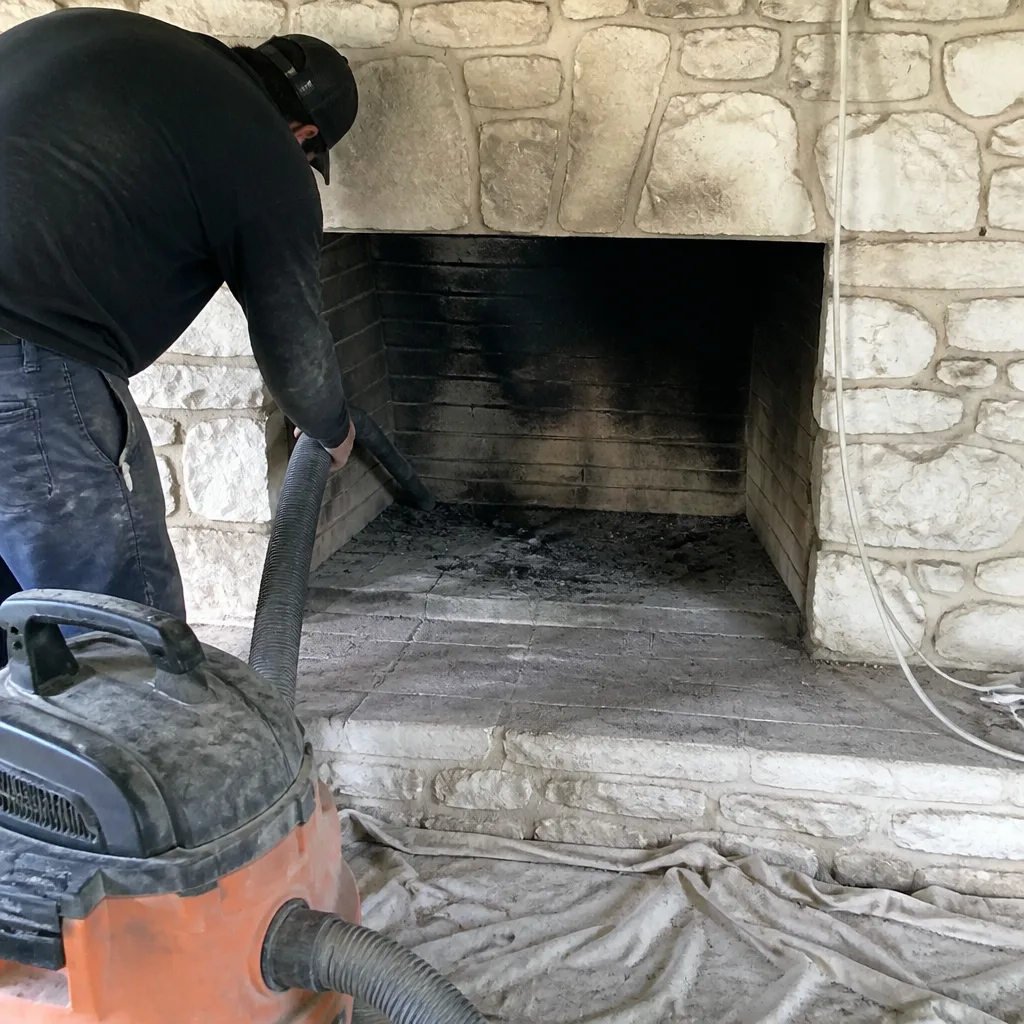 Before
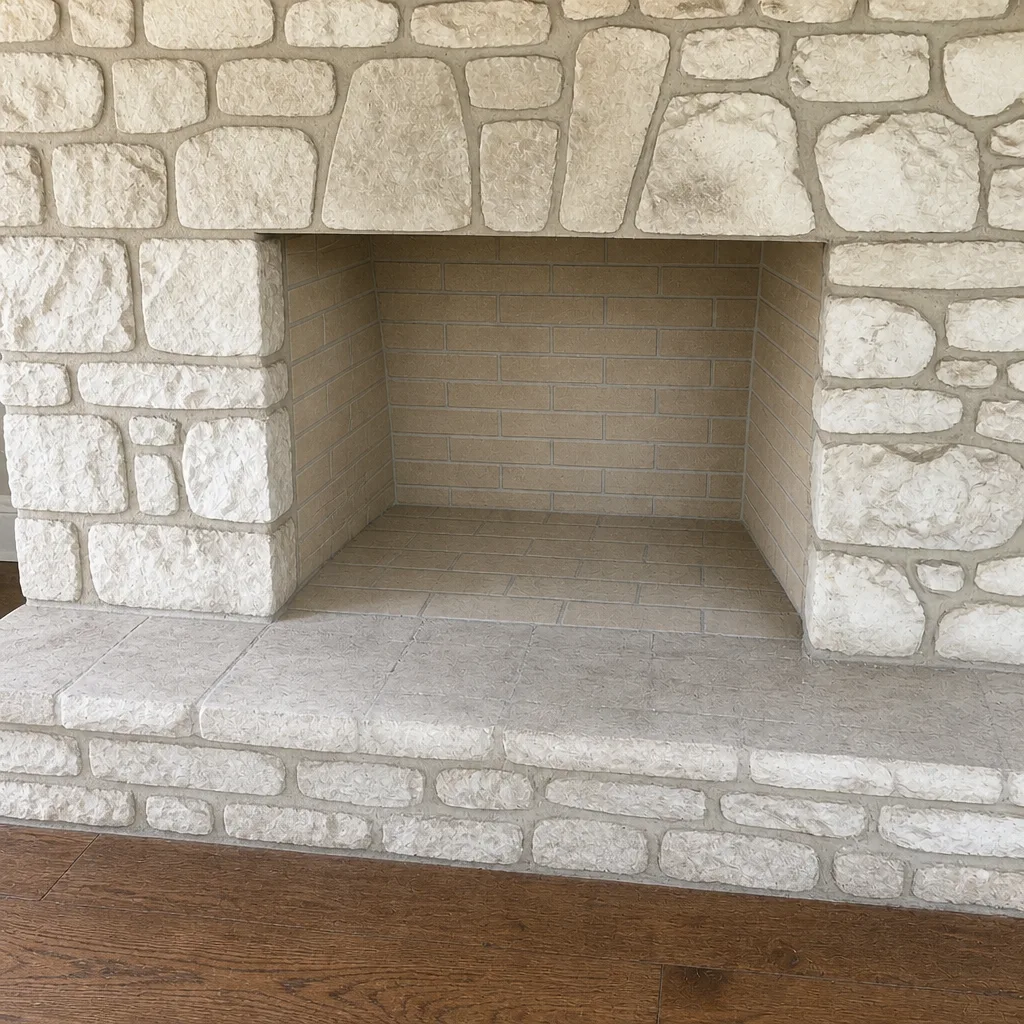 After
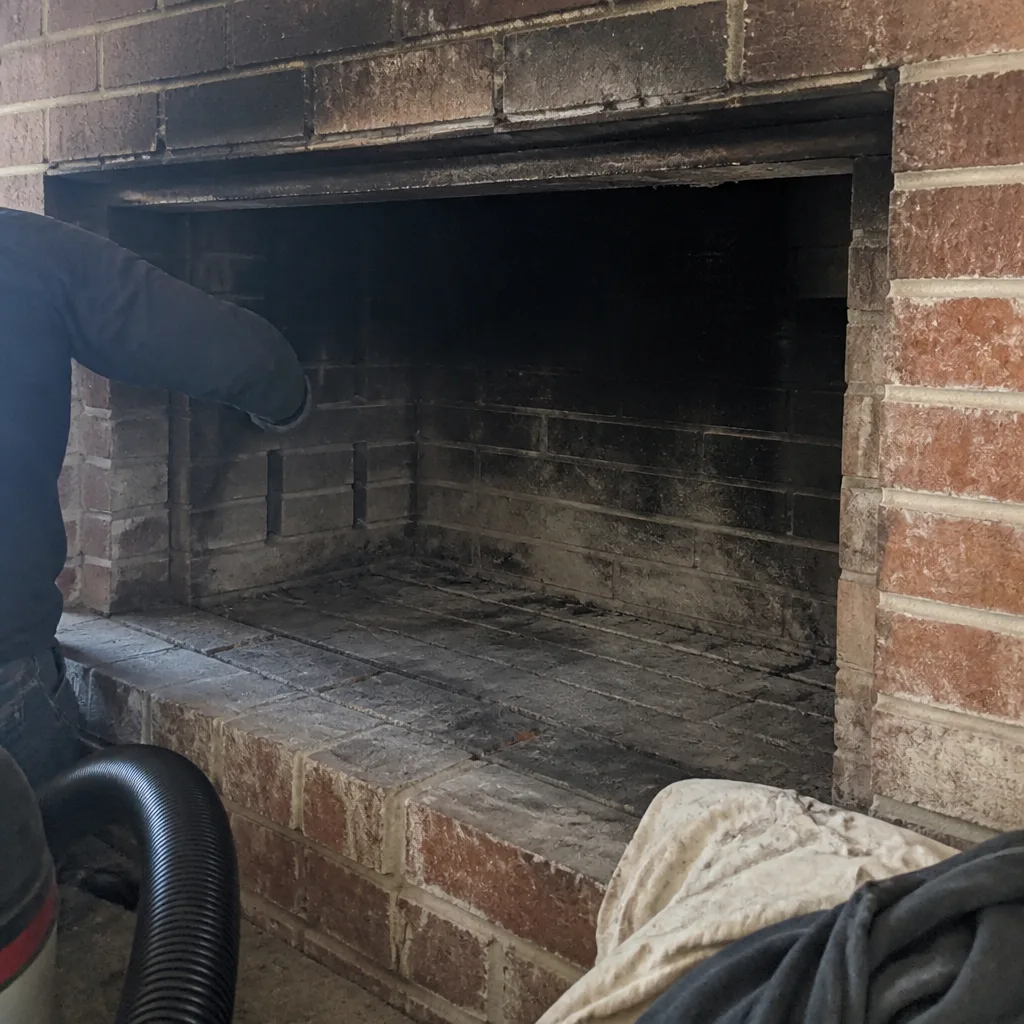 Before
 After
 Before
 After